



There is a point in almost every artist’s journey when painting starts to feel a little heavy. You want to create, but your hand hesitates. You worry about details, proportions, and whether the final piece will look “right.” That moment is often what pulls people toward Loose Watercolour.
Loose watercolour is not about control in the traditional sense. It is about response. You respond to how the water moves, how the colour spreads, and how the paper reacts. Instead of forcing an image to behave, you allow it to evolve. That shift alone is what makes loose watercolour painting such a powerful tool for expressive work.
Loose Watercolour Lets Emotion Lead the Process
In expressive painting, emotion comes first. Not accuracy. Not neat edges. Not perfect colour matches. Loose Watercolour supports this way of working because it doesn’t ask you to define everything.
A sky doesn’t need to be painted cloud by cloud to feel dramatic. A few flowing washes can say more than detail ever could. A face doesn’t need sharp outlines to show mood. Soft transitions and broken edges often feel more human.
Loose watercolour painting gives space for feeling. It allows the viewer to sense the artist’s mood rather than admire technical skill alone.
You Stop Fighting the Medium and Start Working With It
Watercolour is known for being unpredictable. In tighter styles, that unpredictability can feel frustrating. In Loose Watercolour, it becomes an advantage.
Paint blooms, edges soften, colours merge. Instead of correcting these moments, you learn to accept them. Over time, you even begin to anticipate them. This creates a natural rhythm between you and the paint.
That relationship is what makes expressive painting feel alive. You are no longer controlling every step. You are reacting, adjusting, and responding in real time.
Loose Watercolour Reduces the Fear of Mistakes
Many artists struggle with fear. Fear of the blank page. Fear of wasting paper. Fear of ruining something that was going well. Loose watercolour painting slowly removes that fear.
Because the style embraces imperfection, mistakes lose their power. A mark that feels wrong can become part of the composition. A spill can turn into texture. A rough edge can suggest movement.
With Loose Watercolour, nothing feels final too early. That freedom encourages experimentation and keeps the creative process light.
Brushstrokes Become Personal and Honest
In loose watercolour, brushstrokes are visible. They aren’t hidden or corrected. They become part of the story.
A fast stroke can feel energetic. A slow, heavy stroke can feel calm or thoughtful. Over time, these marks start reflecting your personality. This is where style naturally develops.
Loose watercolour painting doesn’t force you to copy anyone. It allows you to discover your own visual language simply by showing up and painting.
Colour Feels More Expressive When It’s Not Overworked
Colour behaves differently in Loose Watercolour. Instead of mixing everything perfectly on a palette, colours often blend directly on the paper. This creates depth and variation that feels organic.
Subtle changes happen on their own. One colour flows into another. Edges stay soft. Transitions feel natural rather than planned.
This approach is especially effective for expressive painting, where mood matters more than precision. The colours feel alive because they are allowed to move freely.
Perfect for Subjects With Movement and Mood
Loose watercolour painting works beautifully for subjects that don’t stay still. Skies, oceans, trees, florals, and city scenes — all of these benefit from movement.
A loose wash can suggest wind better than careful detail. A few strokes can hint at light reflecting on water. The viewer fills in the rest.
This suggestion is what makes Loose Watercolour emotionally engaging. It leaves space for interpretation rather than spelling everything out.
Loose Watercolour Encourages Consistency
Many artists paint less than they want to because they feel pressure to create “good” work every time. Loose watercolour removes some of that pressure.
Since the style values exploration, practice feels less demanding. You’re more likely to paint often because the process feels enjoyable rather than stressful.
Over time, this consistency improves skill naturally. Not through forcing perfection, but through repetition and curiosity.
Tools Matter Less Than Mindset
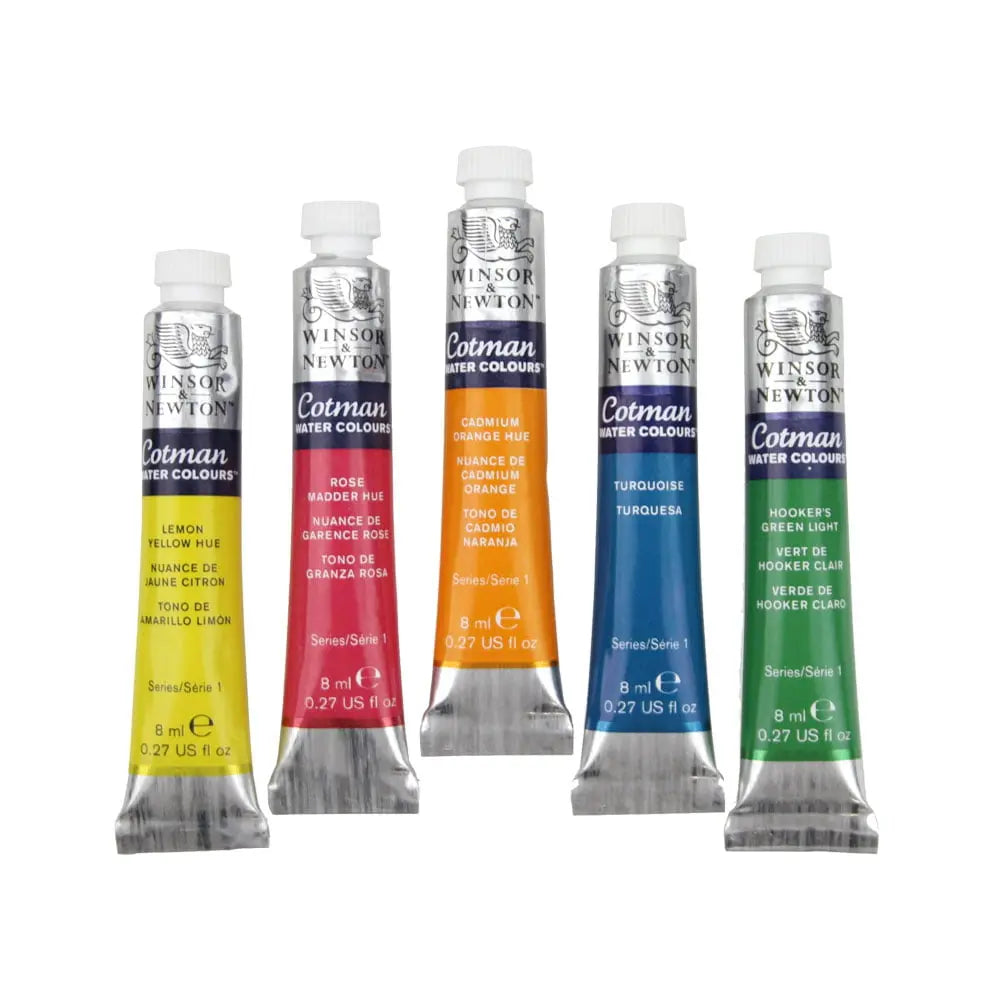
One of the best things about Loose Watercolour is that it doesn’t require complex tools. A basic set of paints, paper, and brushes is enough to begin.
As artists grow, they often experiment with different brushes, inks, or line work to support their loose style. Exploring creative tools from multiple brands through platforms like Canvazo India makes that process easier, especially when you want to try new combinations without committing to one approach.
Still, tools remain secondary. Mindset comes first.
Loose Watercolour Helps Artists Reconnect With Joy
Many artists start painting because it feels good. Somewhere along the way, comparison and expectation creep in. Loose watercolour painting gently brings the focus back to enjoyment.
There is less judgment. Less pressure. More presence.
Each painting becomes a moment rather than a performance. That shift is often what keeps artists coming back to Loose Watercolour, even after exploring other styles.
Why Artists Keep Returning to Loose Watercolour
Even artists who work in detailed or realistic styles often return to loose watercolour. It feels honest. It feels immediate.
There’s no hiding behind technique. Every decision shows. Every stroke carries intention.
Having access to a wide range of creative materials through Canvazo India supports this kind of exploration, allowing artists to move between styles while staying connected to expressive work.
Loose Watercolour Is About Trust
At its core, loose watercolour painting is about trust. Trusting the water. Trusting the process. Trusting yourself.
It doesn’t promise perfection. It offers expression.
And for many artists, that’s exactly what painting should be.
Frequently Asked Questions (FAQs)
What is Loose Watercolour painting?
Loose watercolour painting focuses on emotion, movement, and suggestion rather than detailed realism.
Is Loose Watercolour suitable for beginners?
Yes. While it feels unfamiliar at first, beginners often benefit from the reduced pressure and freedom.
Does Loose Watercolour require special tools?
No. Simple brushes and paper are enough. The approach matters more than the tools.
Why does Loose Watercolour look unfinished to some people?
Because it values suggestion over detail. What feels unfinished to one person feels expressive to another.
Where can I explore tools for Loose Watercolour painting?
You can explore a wide range of creative tools from different brands through Canvazo India, making it easier to experiment and grow.