













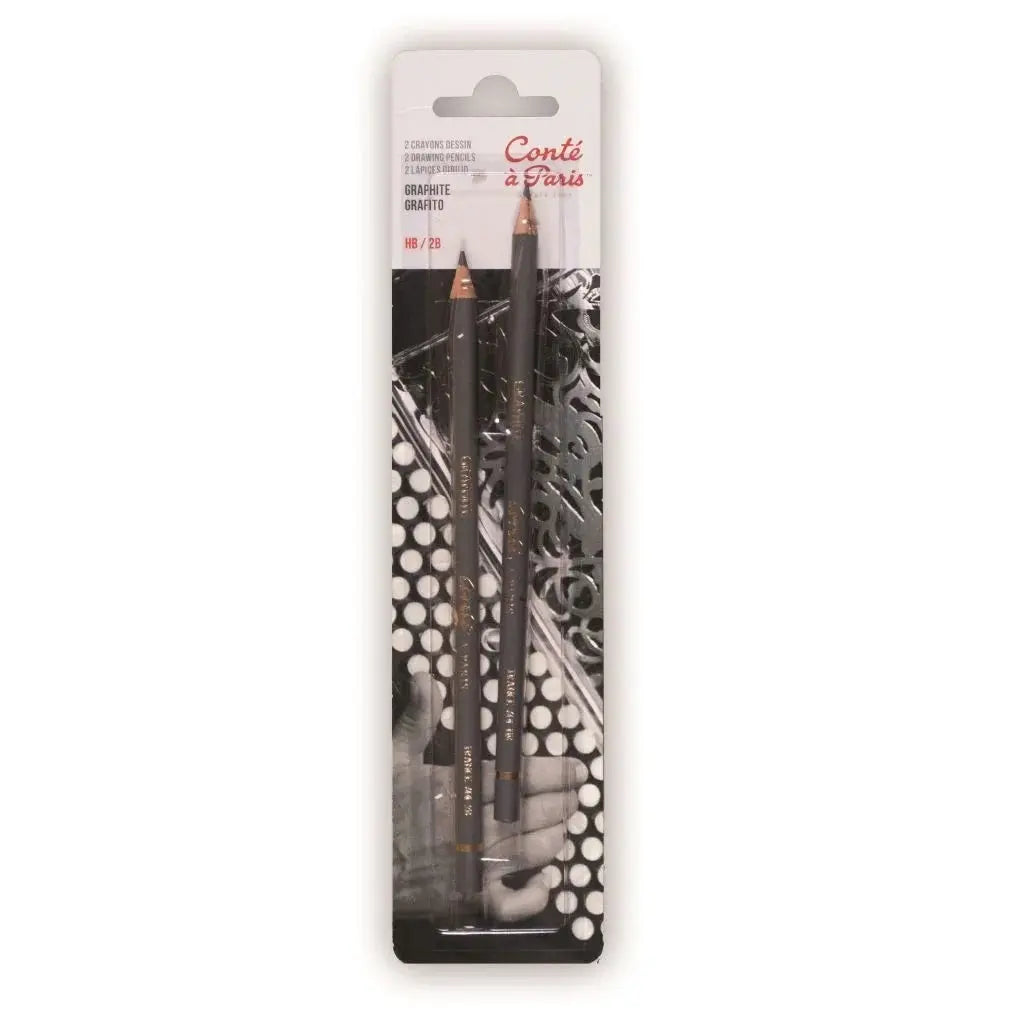

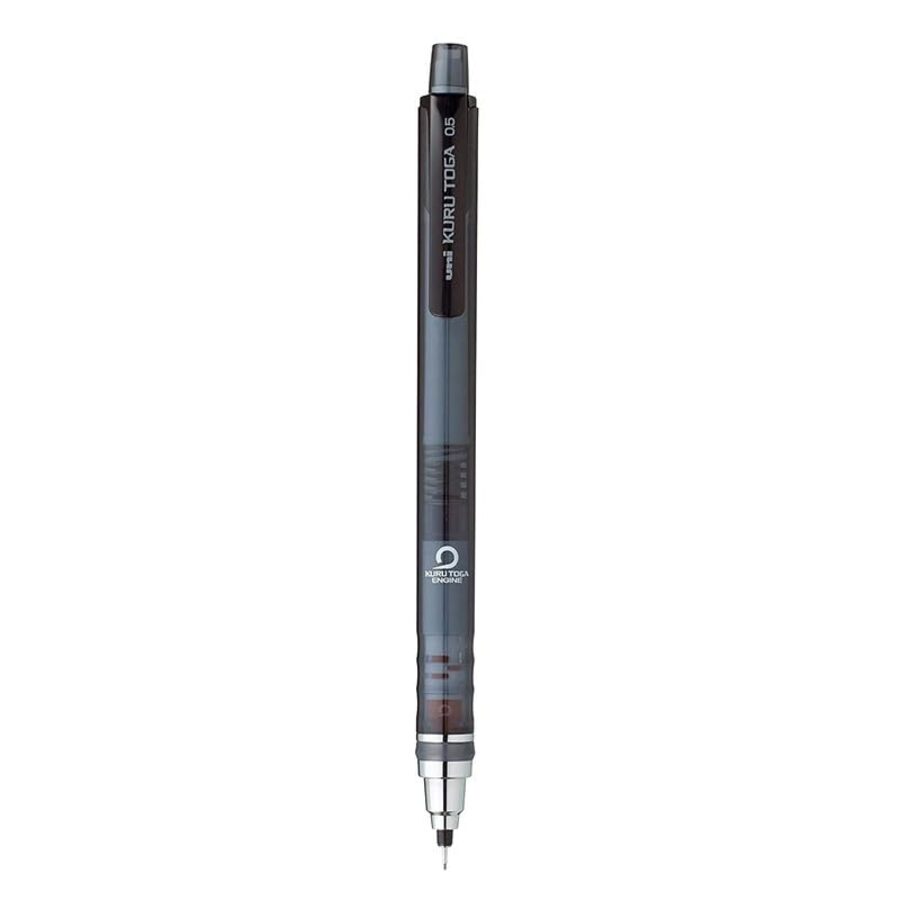

+
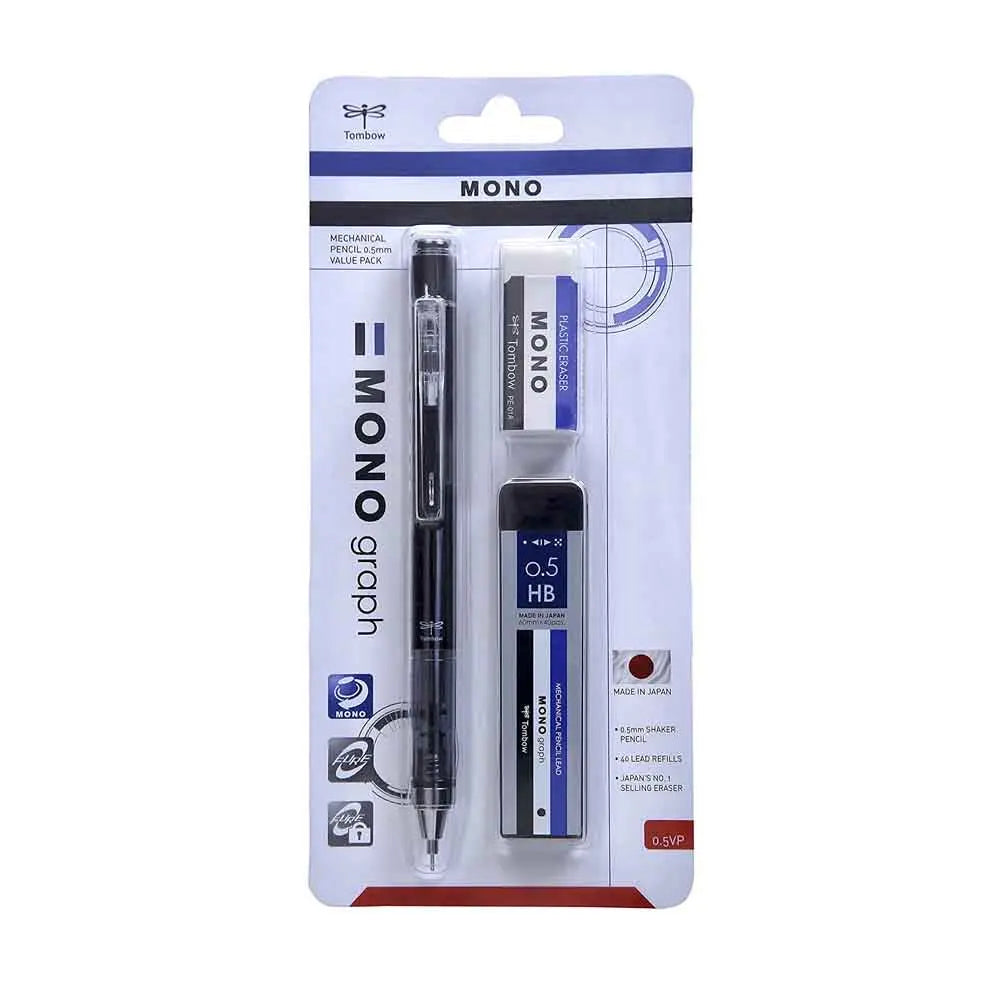
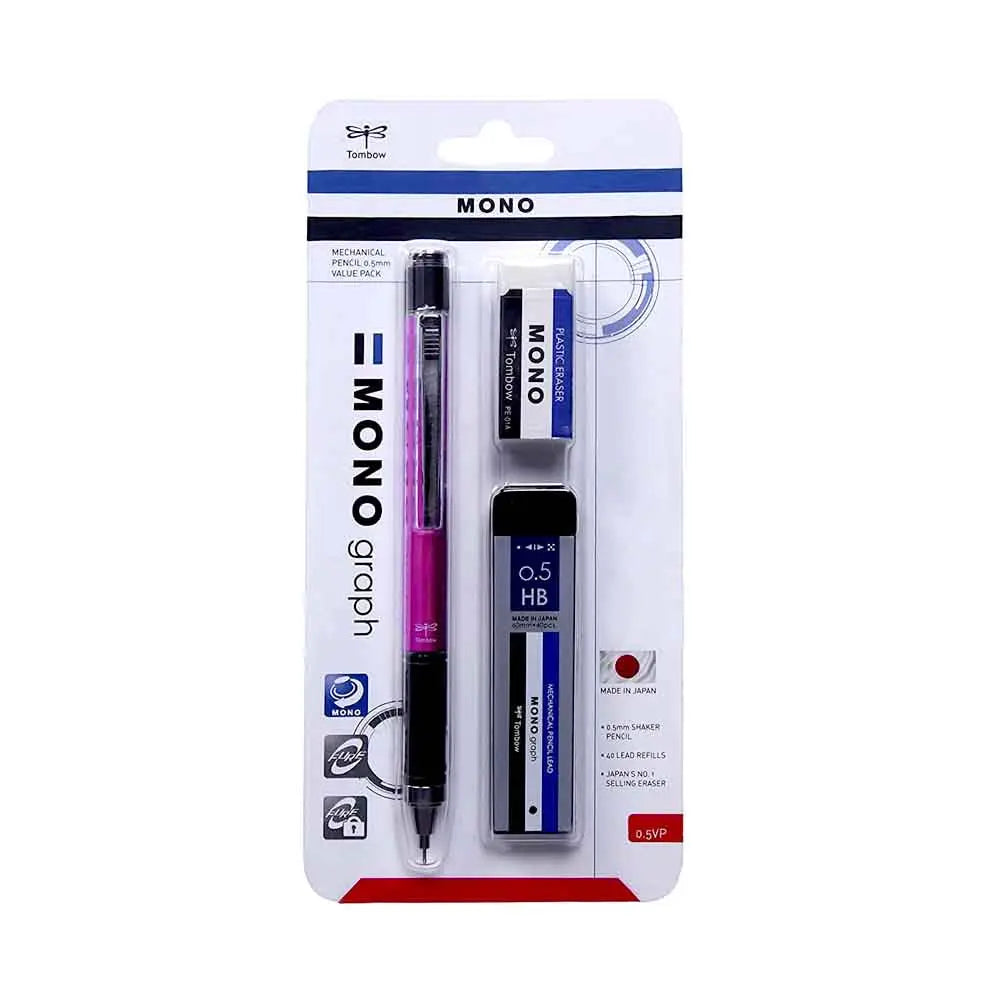
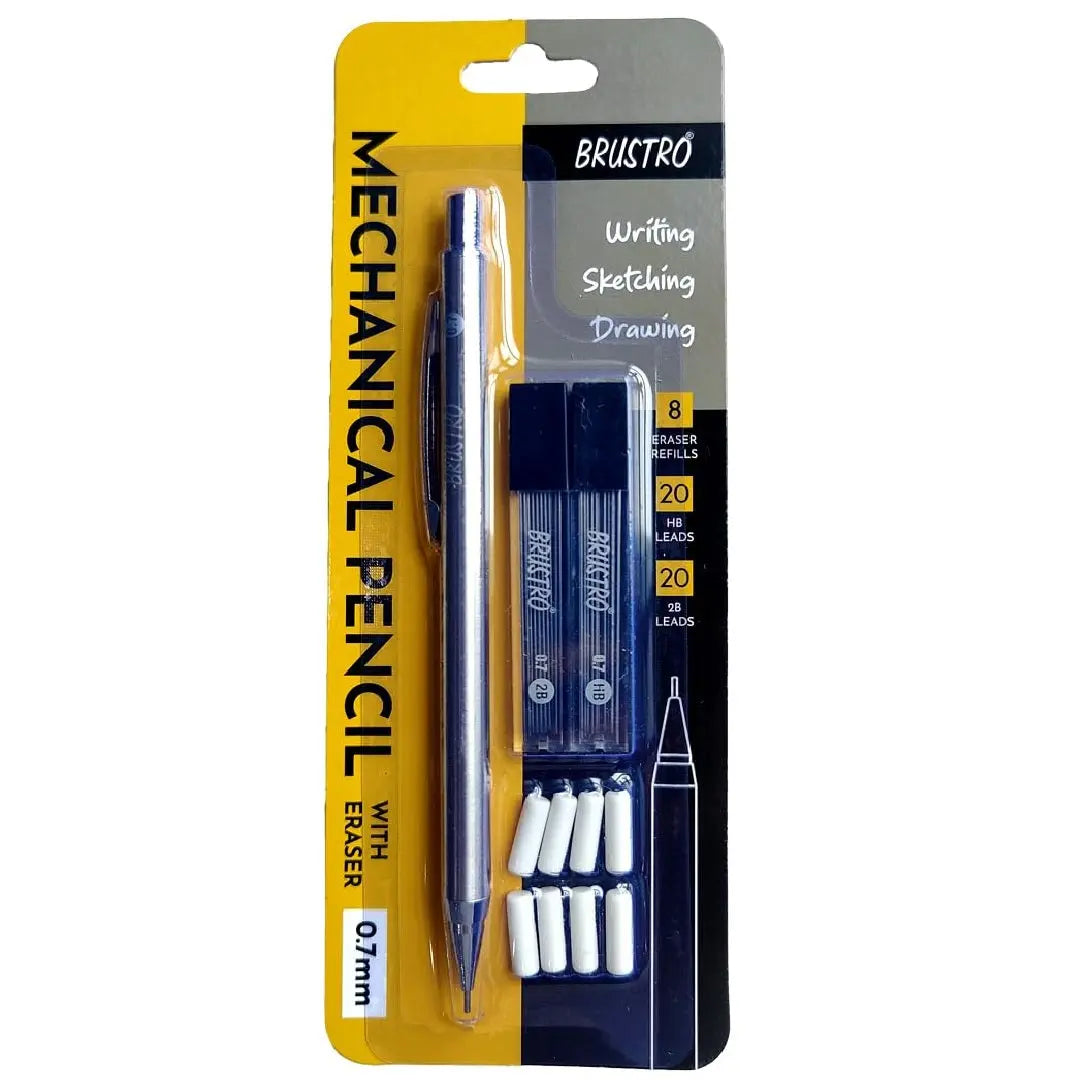
Mechanical pencils and leads are designed for consistent writing and drawing without the need for sharpening. Commonly referred to as lead pencils, these tools use a replaceable graphite-based core, known as mechanical pencil lead, which advances through a built-in mechanism as it wears down. This design allows uninterrupted use, uniform line width, and controlled output across different applications.
Mechanical pencils are widely used in India for academic work, office writing, technical drafting, and artistic drawing because they provide precision and repeatability that traditional wooden pencils cannot consistently deliver.
What Are Lead Pencils and Mechanical Pencil Leads?
Mechanical pencils use a thin graphite stick, commonly called a lead, that moves forward as you write. Unlike wooden pencils, the writing core sits inside the pencil body and does not require sharpening. This makes mechanical pencils convenient for regular writing, drawing, and precision work.
Although they are called lead pencils, the writing core does not contain metal lead. Modern pencil leads are made from graphite mixed with binding materials that affect how smooth the writing feels and how dark the marks appear on paper.
Lead pencils and mechanical pencil leads are used across schools, offices, and creative spaces. They are available in different thicknesses and grades, allowing users to choose options that suit everyday writing, sketching, or technical use.
Mechanical Pencil Lead Sizes
Mechanical pencil leads are available in standardized diameters. Each size serves a different functional purpose based on line thickness, durability, and control.
-
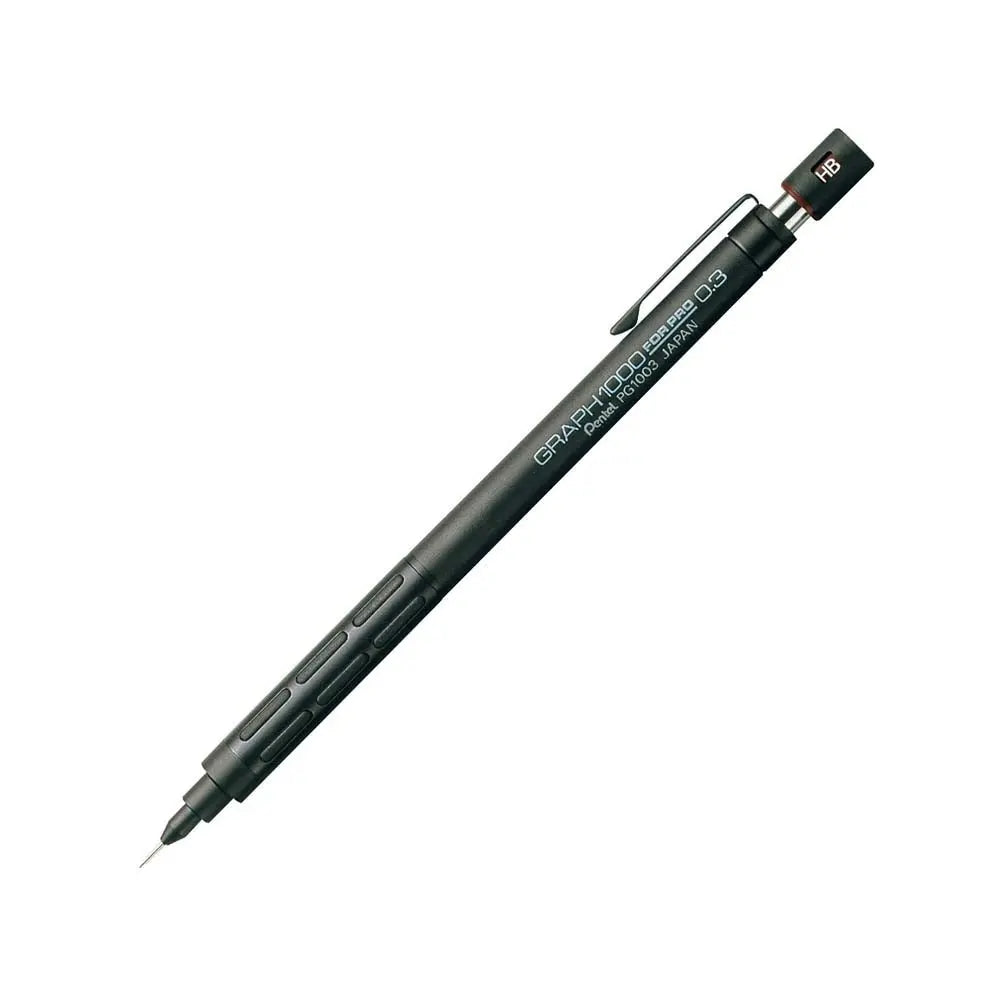
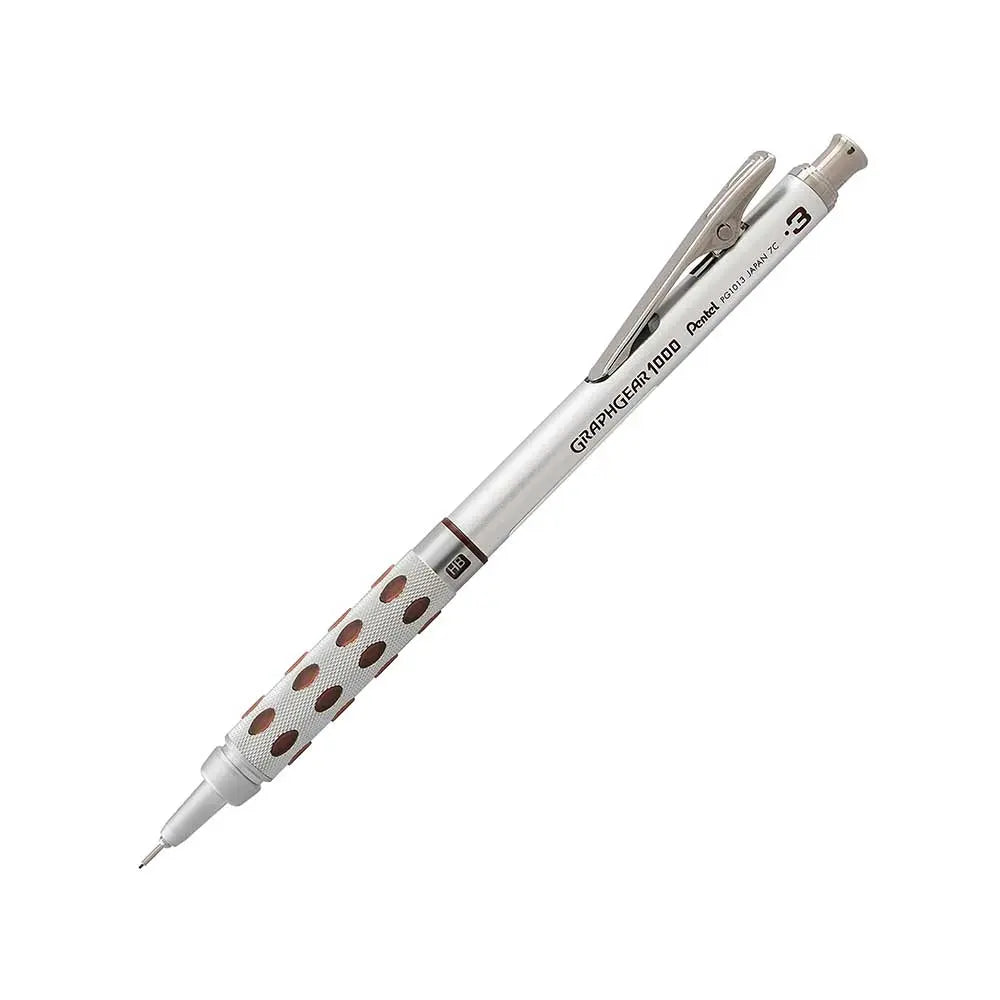
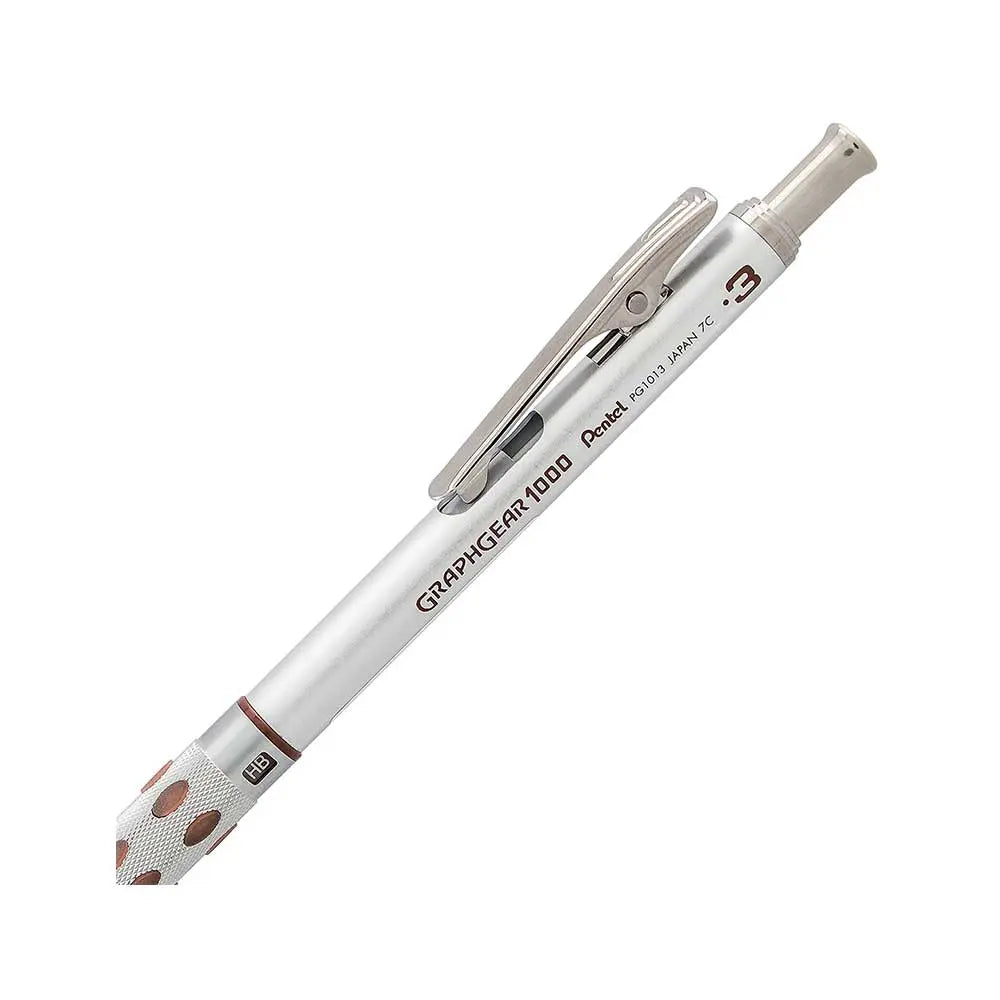
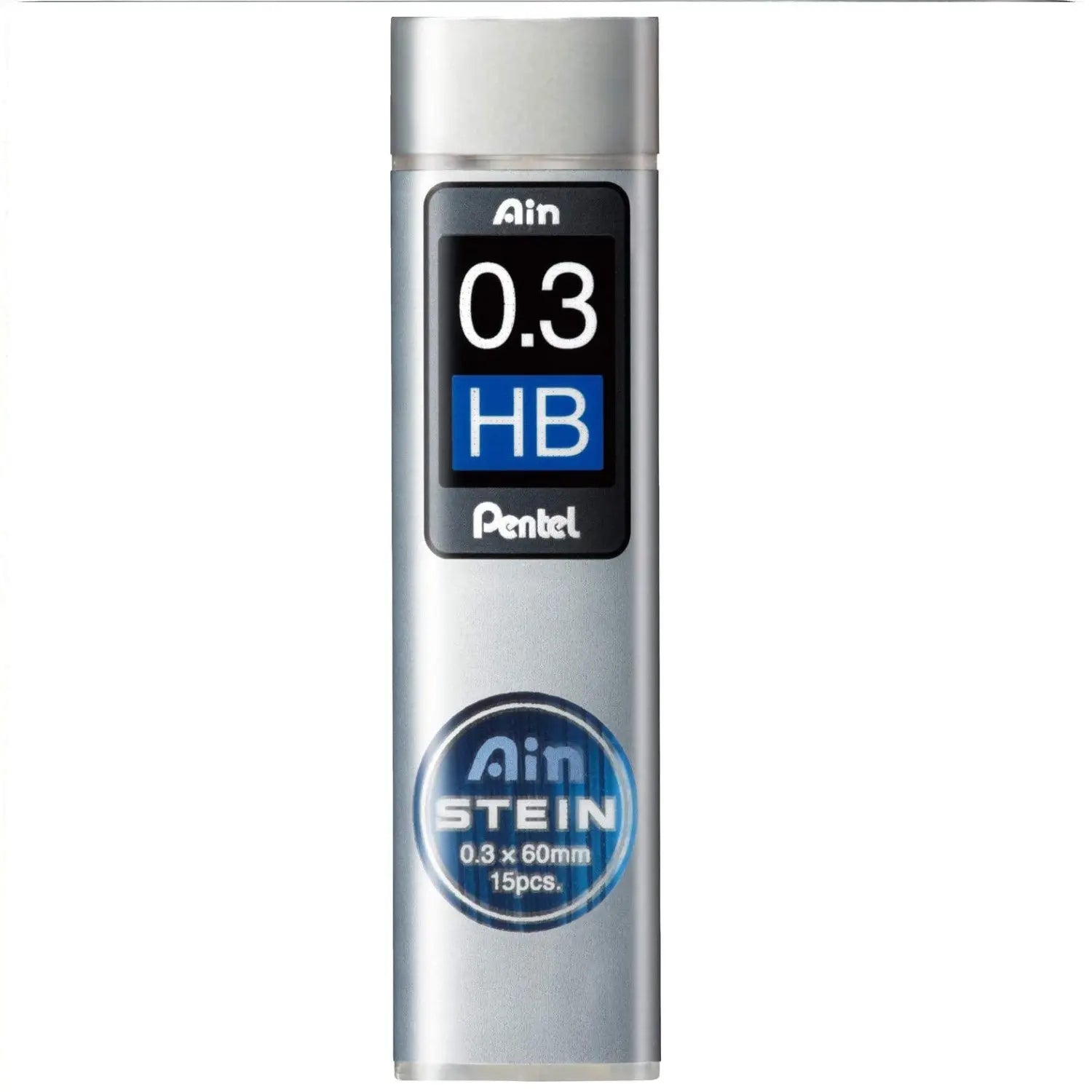
0.3 mm – Used for very fine writing, detailed technical drawings, and precision work
-
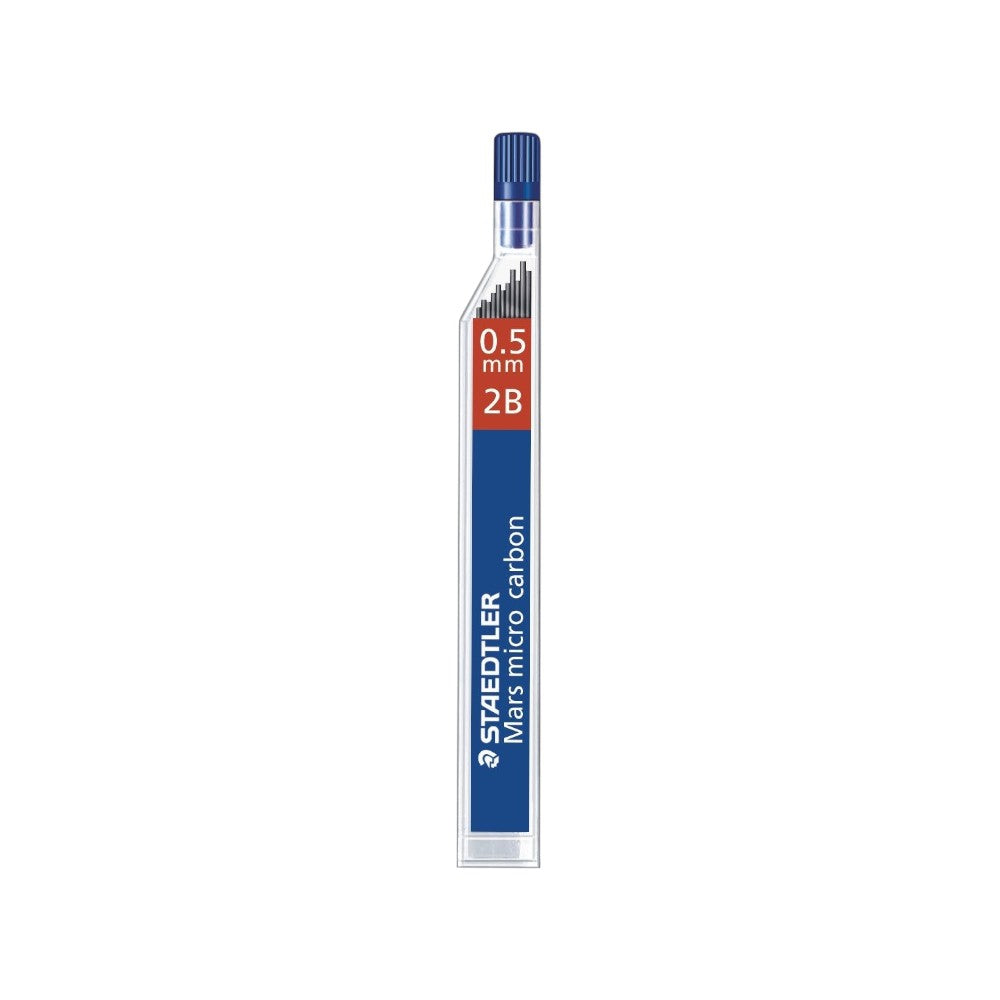
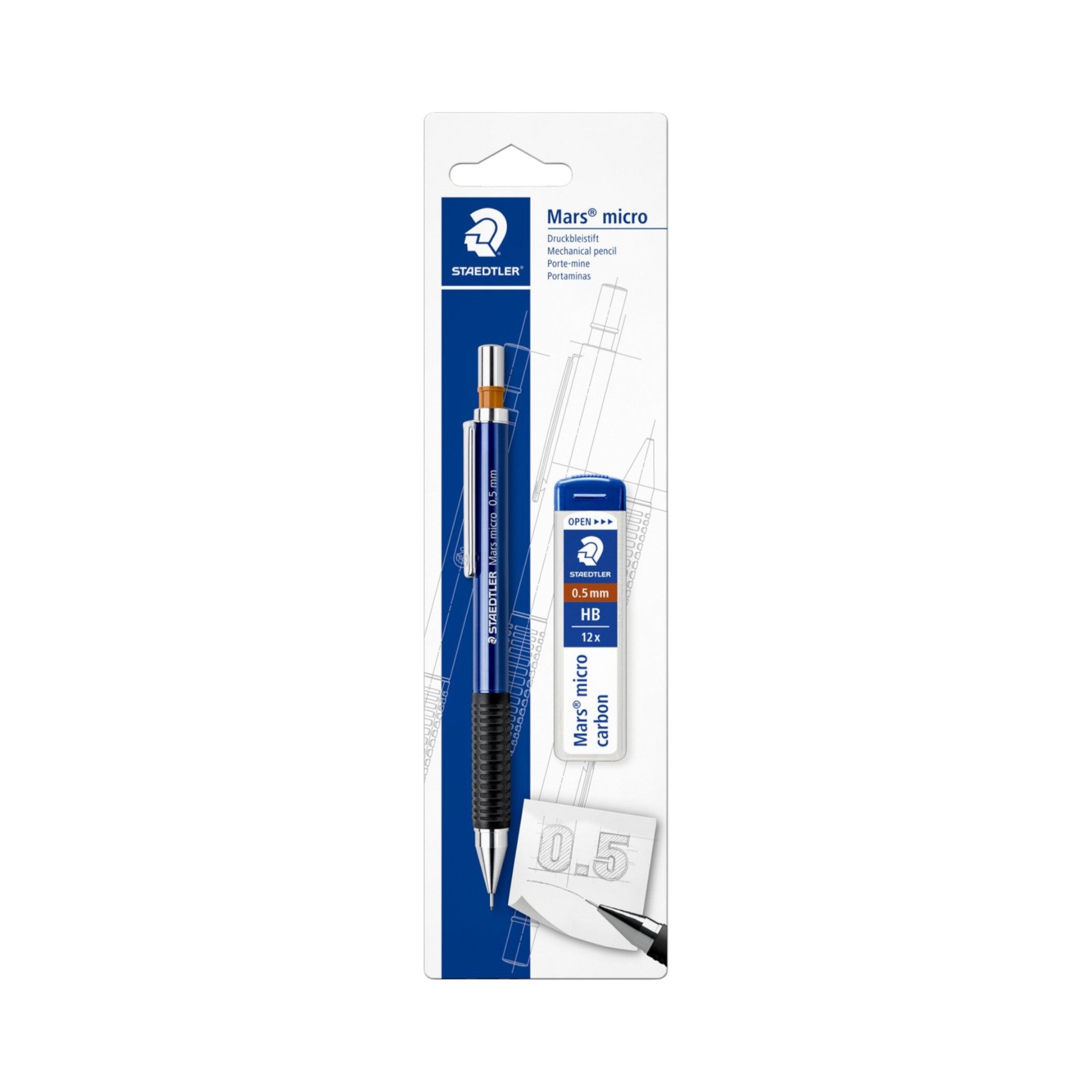
0.5 mm – One of the most commonly used sizes for everyday writing and academic use
-
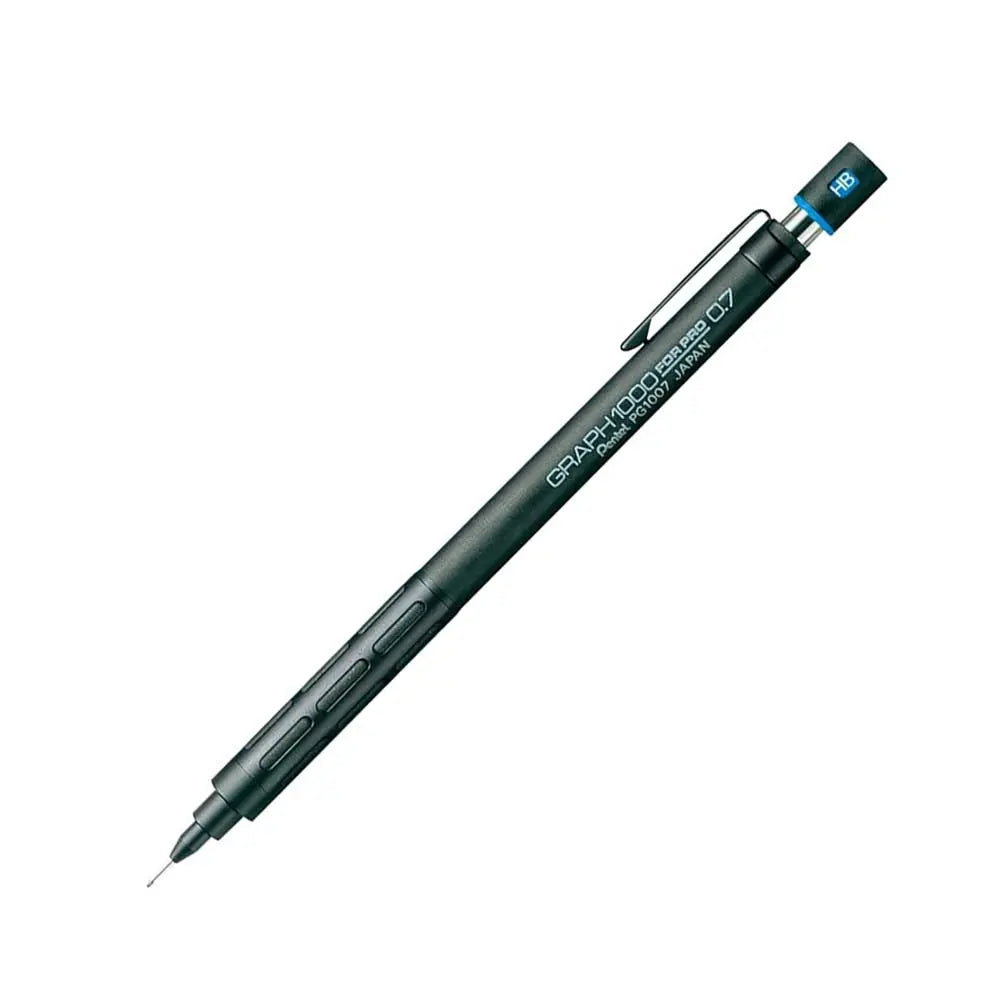
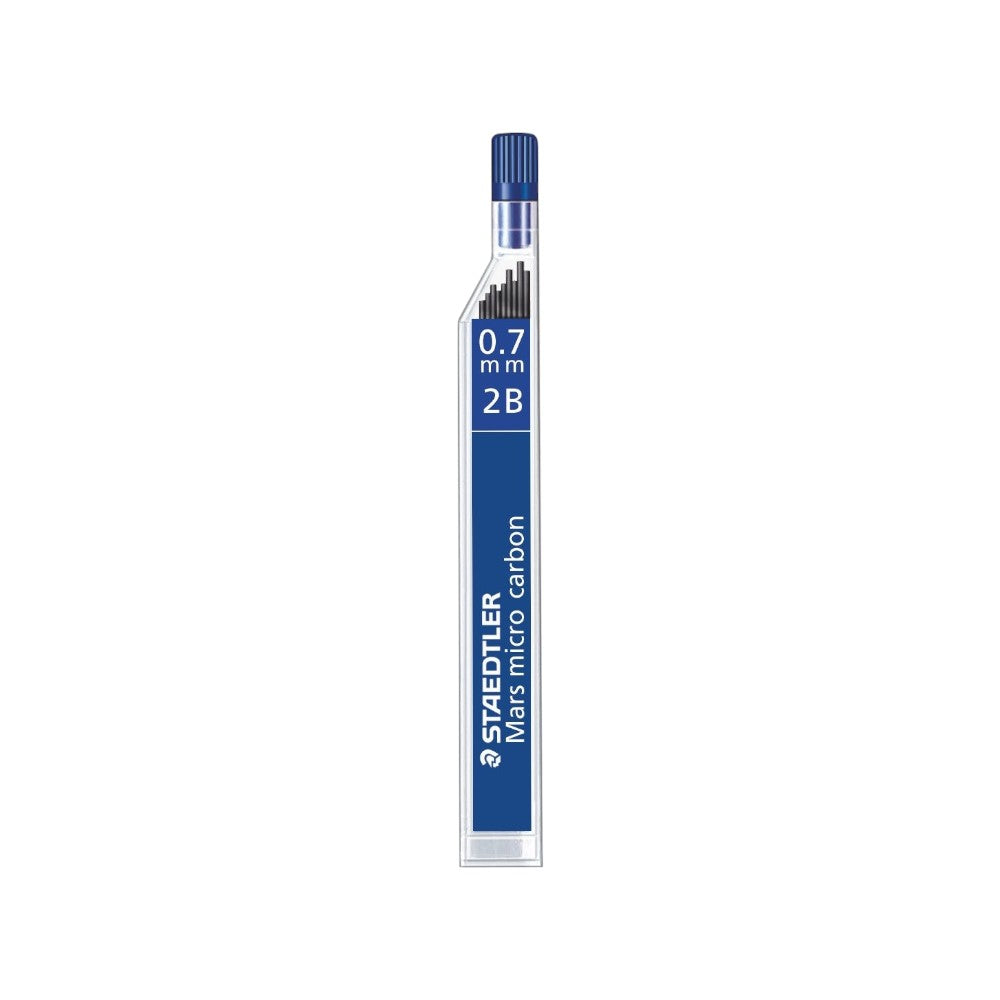
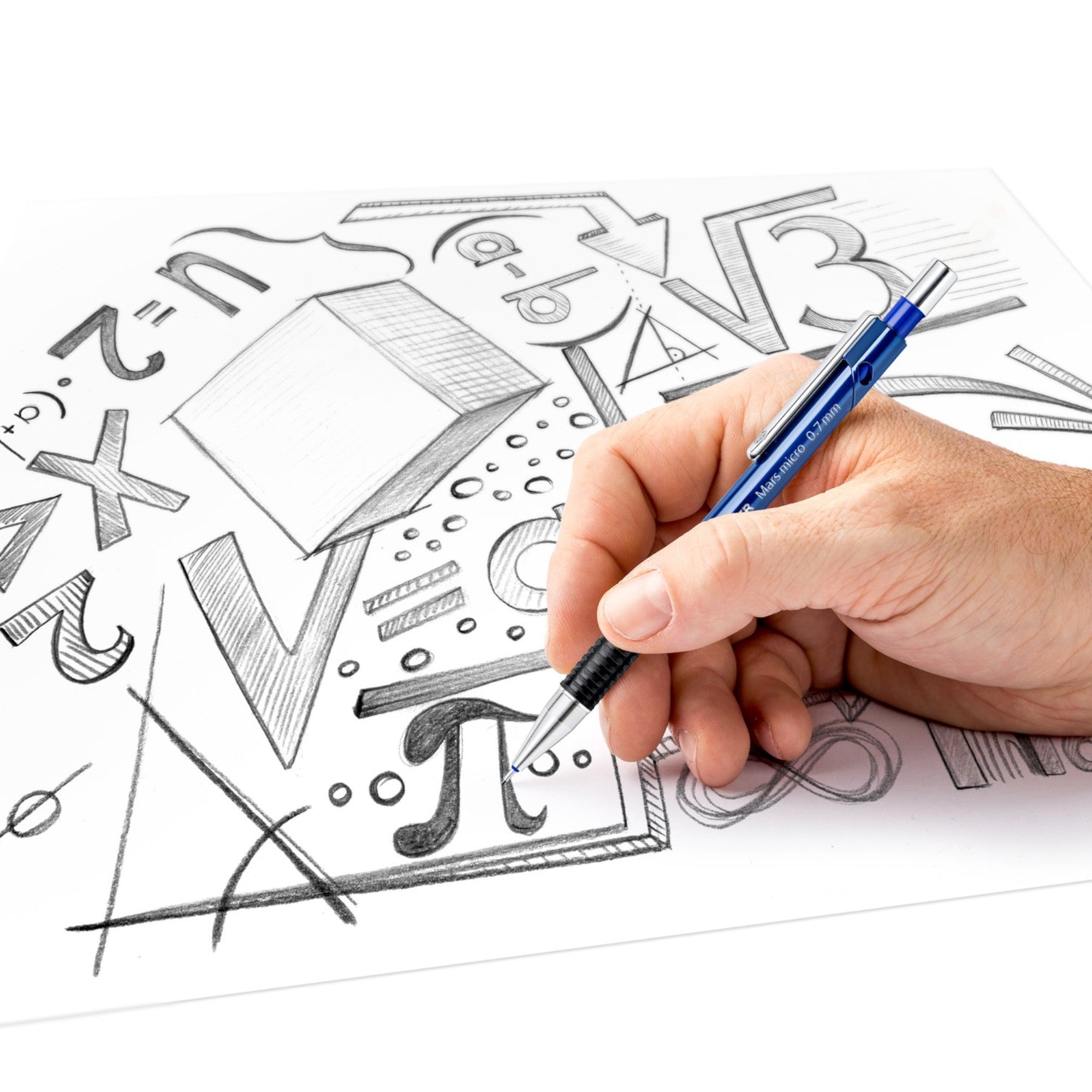
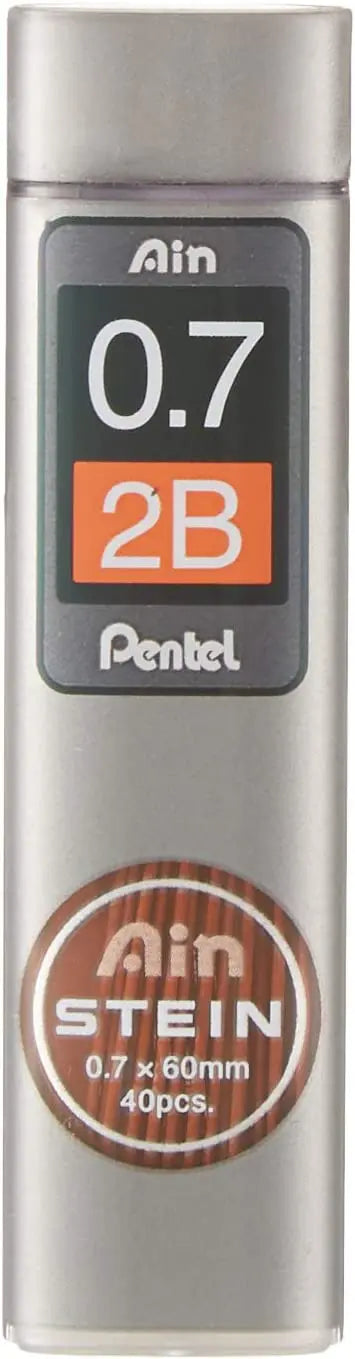
0.7 mm – Produces slightly thicker lines and offers better resistance to breakage
-
0.9 mm and above – Preferred for bold writing, sketching, and rough layouts
Smaller lead sizes create finer lines but are more prone to breakage, while thicker leads provide greater strength and darker strokes.
Lead Grades and Hardness
Mechanical pencil leads follow the same hardness grading system used in traditional graphite pencils. These grades indicate the balance between hardness and darkness:
-
HB – Balanced hardness and darkness, commonly used for general writing
-
B / 2B – Softer leads that create darker marks, suitable for sketching and shading
Harder leads produce lighter marks and last longer, while softer leads offer smoother writing and richer tonal output.
Refillable Design and Compatibility
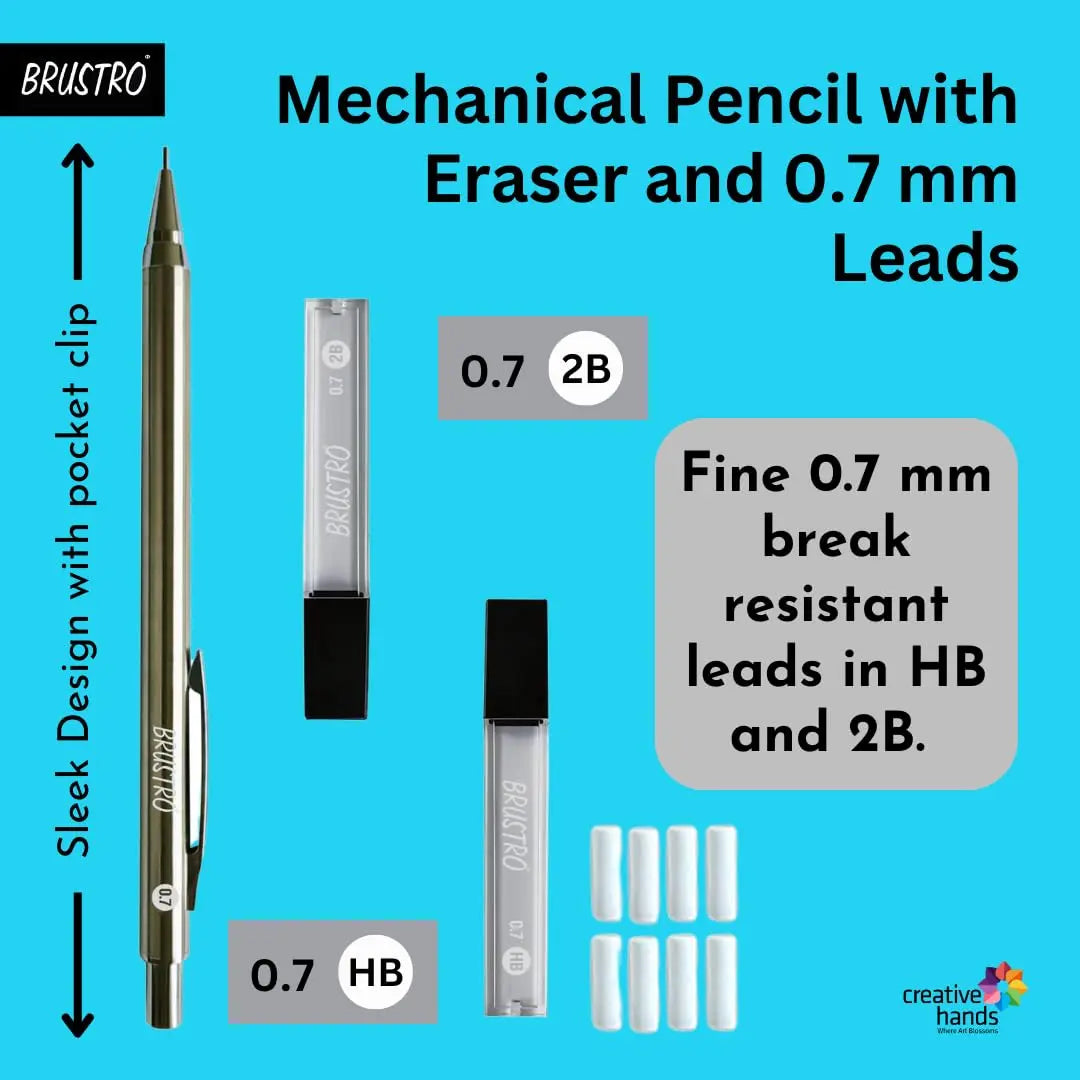
One of the defining features of mechanical pencils is their refillable structure. When the lead wears down, it can be replaced without discarding the pencil. This makes mechanical pencils more economical and practical for long-term use.
Mechanical pencil leads must match the exact diameter supported by the pencil mechanism. Using incompatible lead sizes can affect performance and may cause breakage or jamming.
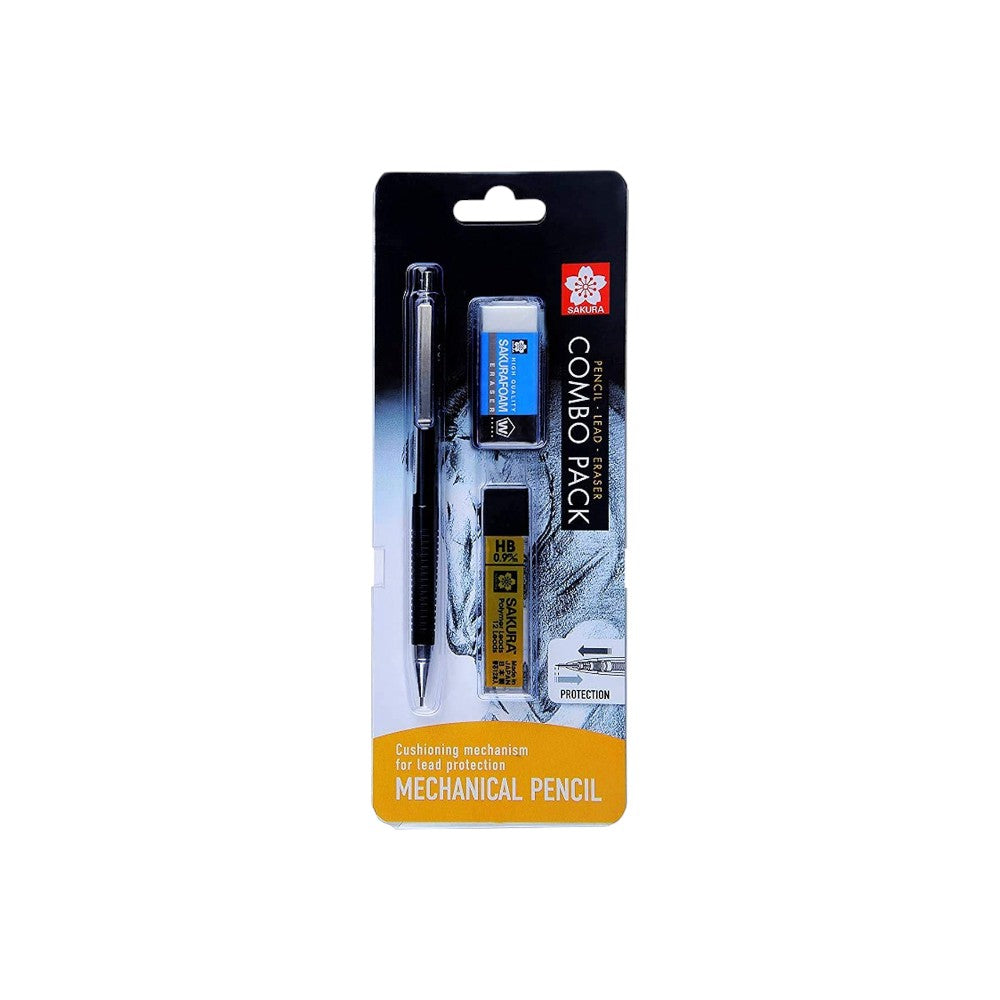
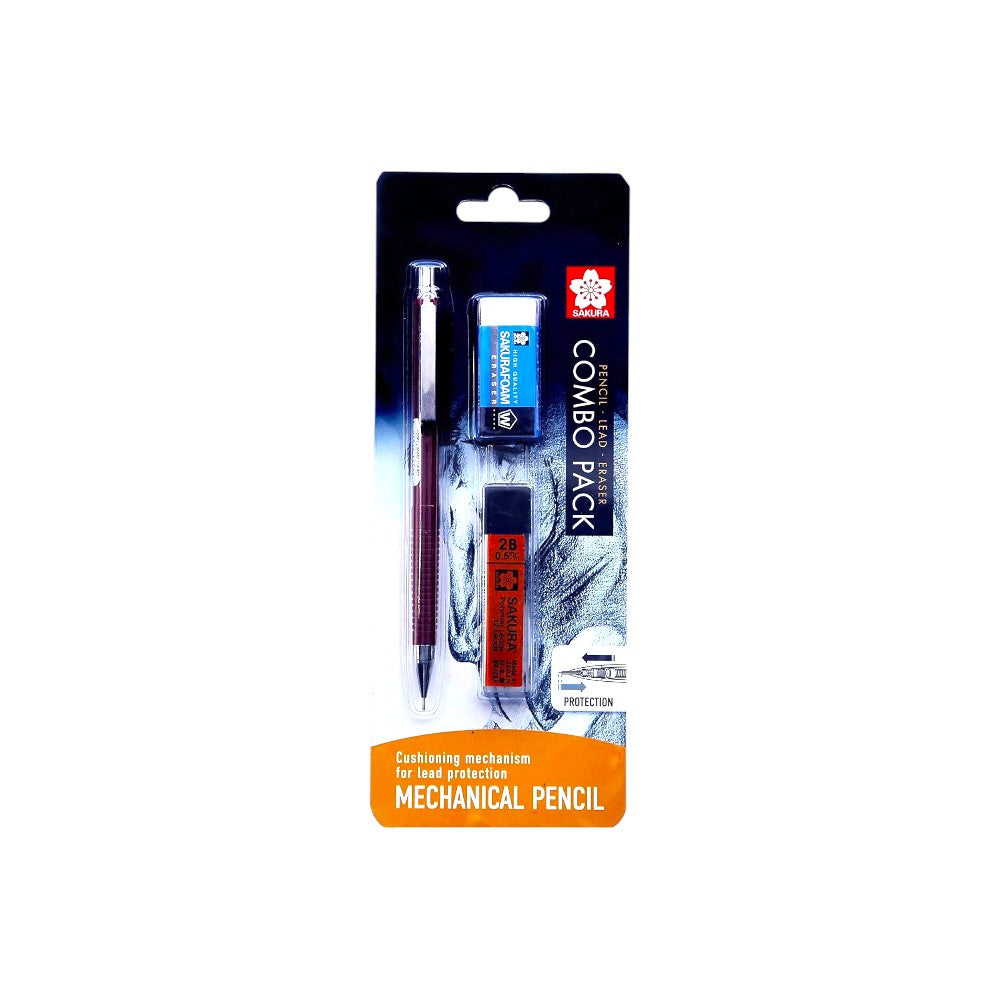
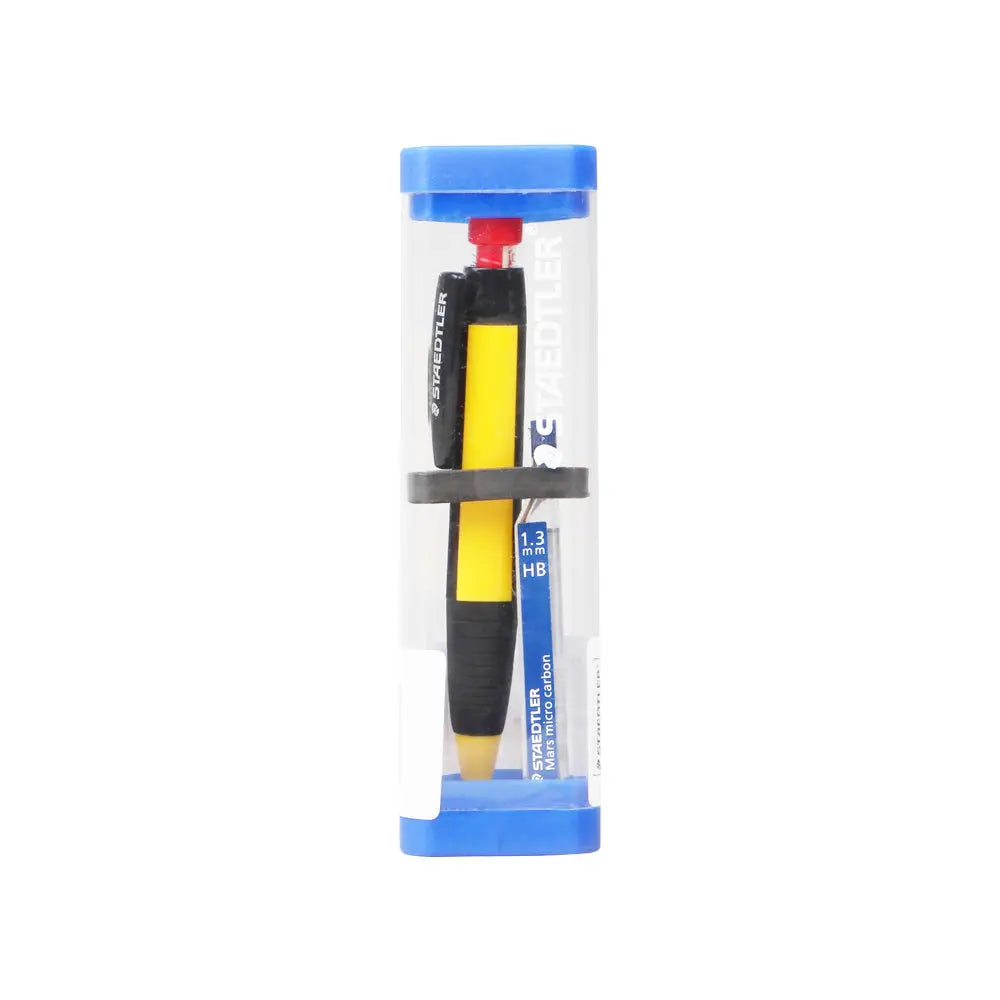
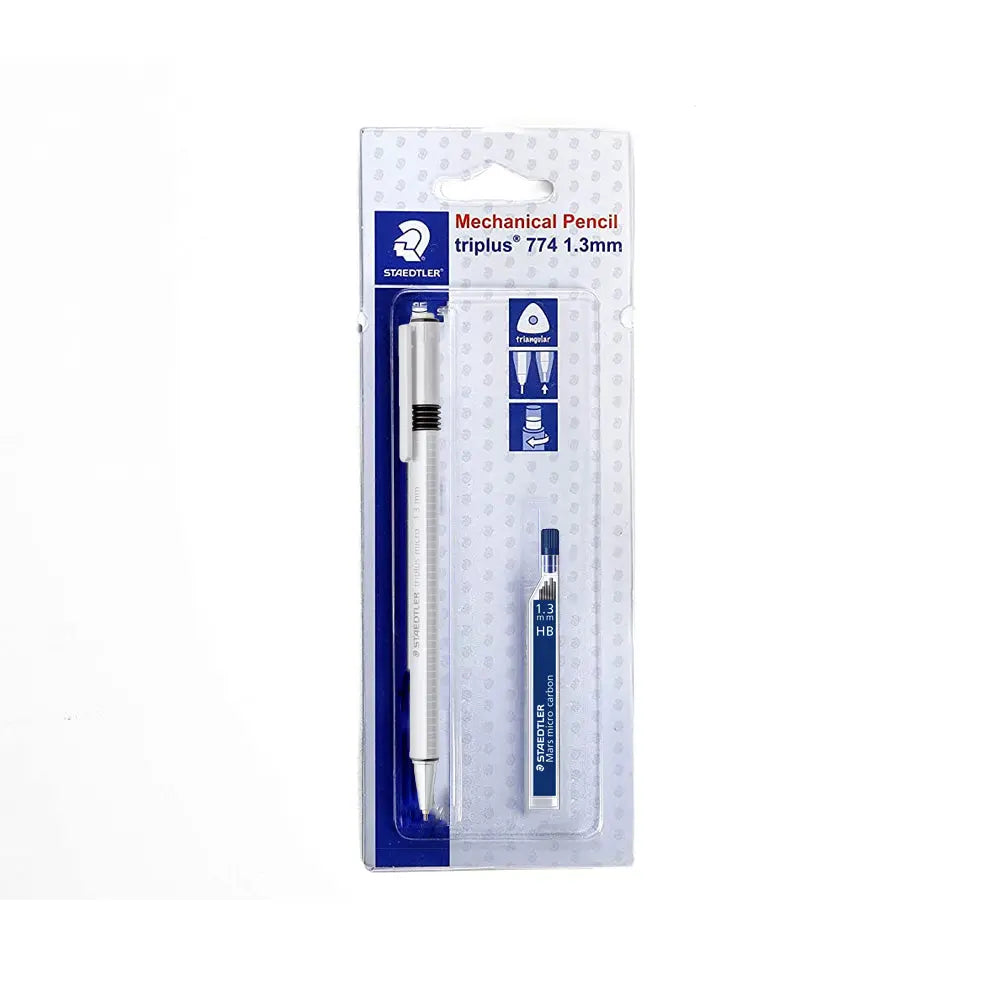
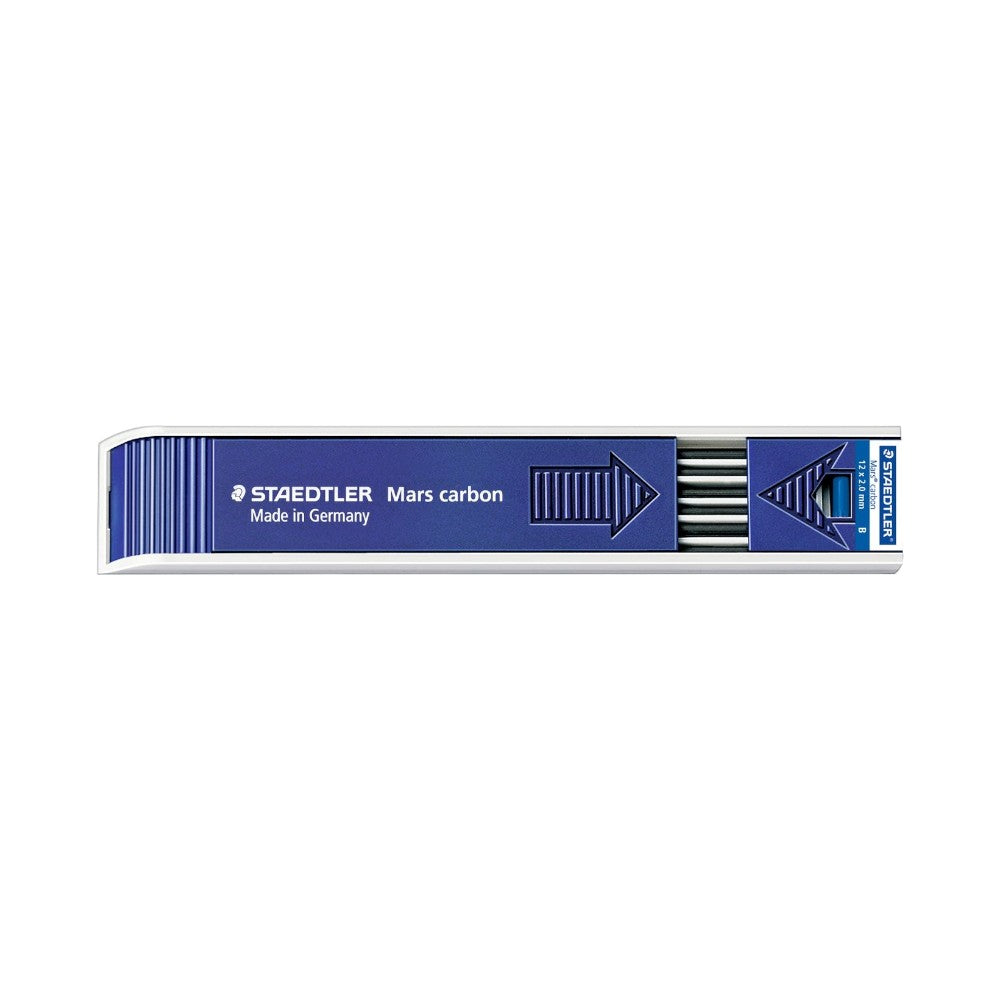
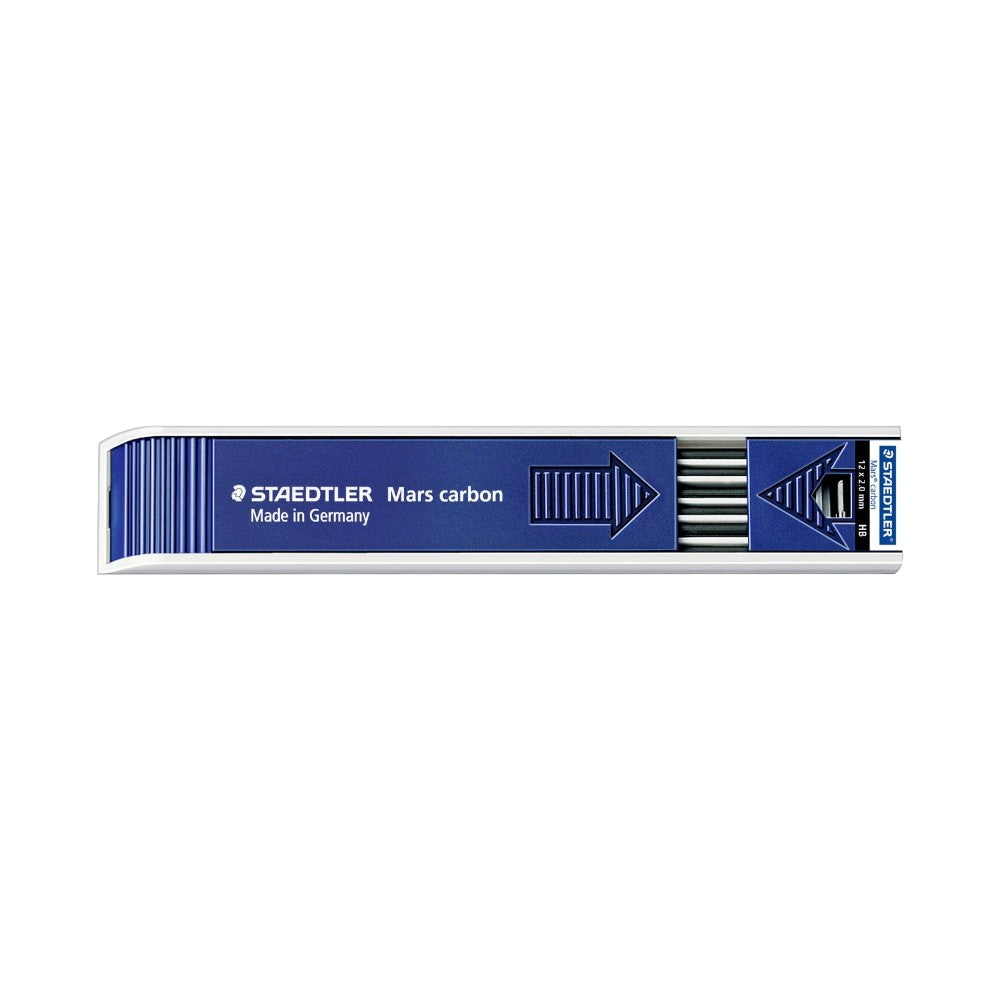
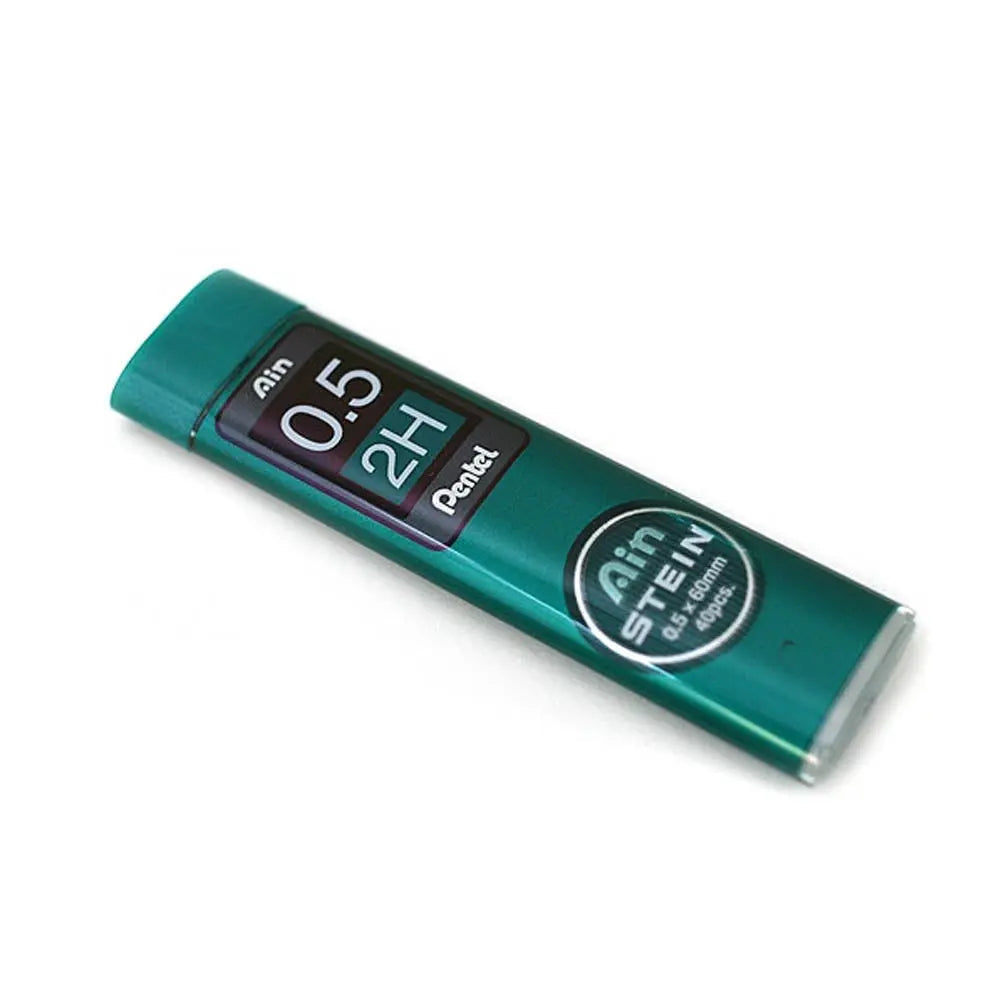
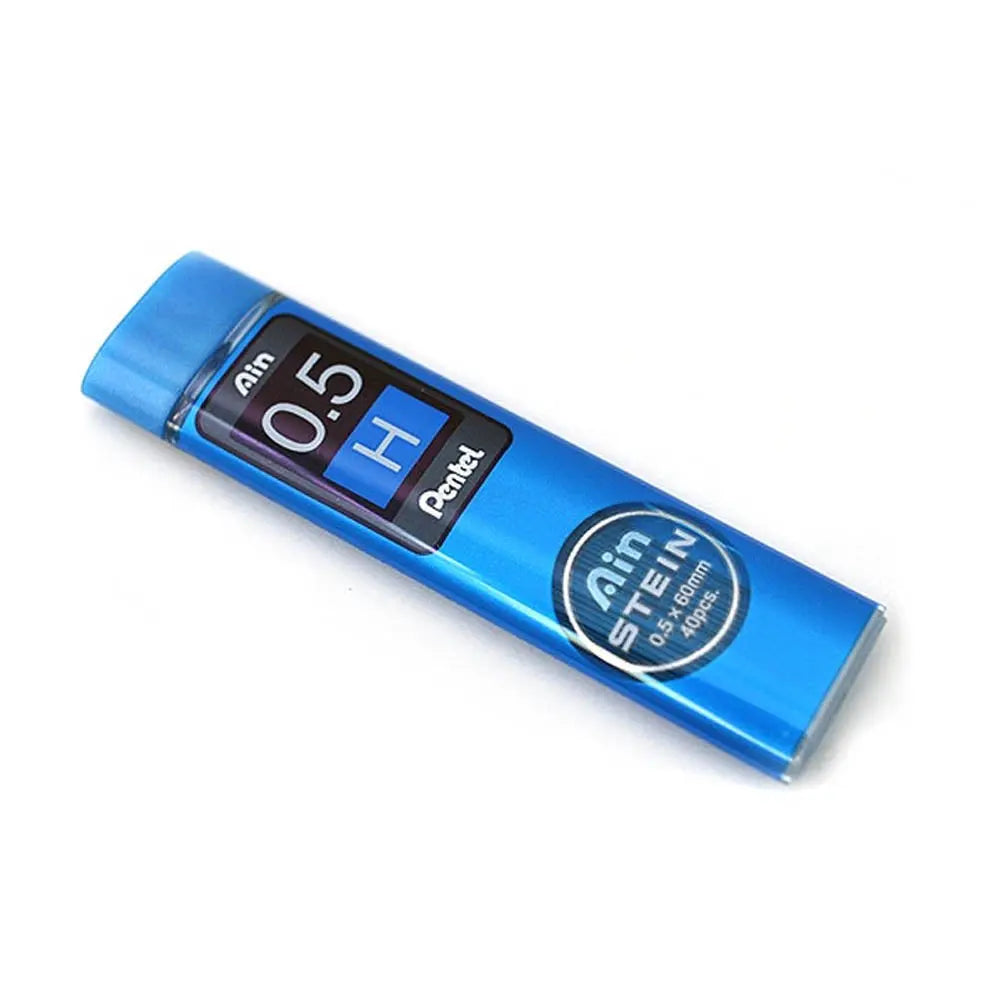
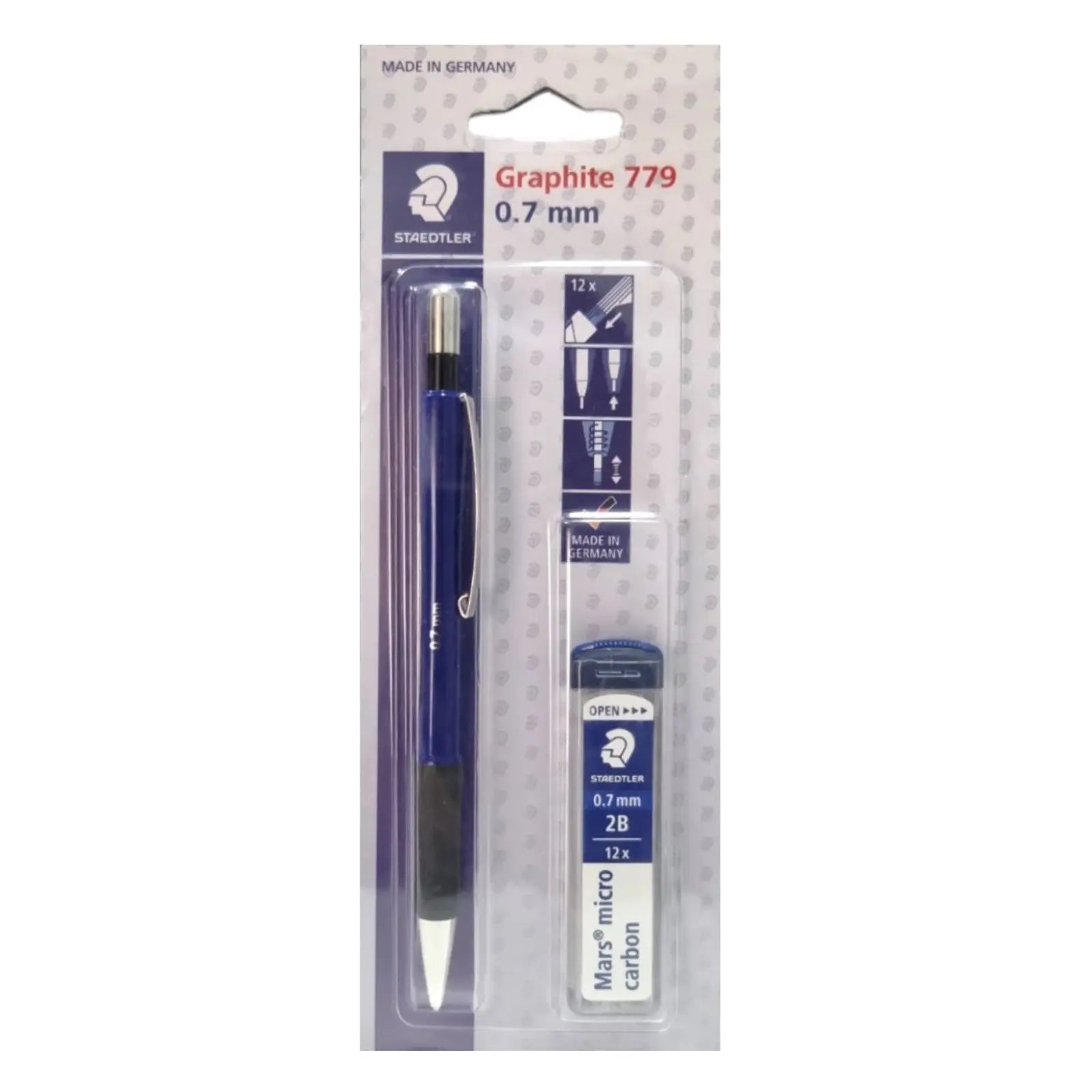
Refill leads are typically supplied in protective cases to prevent damage and ensure smooth loading into the pencil.
Uses of Mechanical Pencils and Leads
Mechanical pencils and lead pencils are used across multiple fields due to their consistency and precision.
Writing and Office Work
Mechanical pencils provide uniform line width and clean erasing, making them suitable for everyday writing, documentation, and note-taking.
Academic Use
Students commonly use mechanical pencils for exams, calculations, and assignments because they eliminate sharpening and maintain consistent output.
Drawing and Sketching
Artists and designers use different lead grades and sizes to control line weight, detailing, and shading. Softer leads allow darker tones, while finer leads support intricate work.
Technical and Drafting Applications
Mechanical pencils are widely used in engineering and drafting environments where consistent line thickness and accuracy are essential.
Why Mechanical Pencils Are Preferred
Mechanical pencils offer several functional advantages over traditional wooden pencils:
-
No sharpening required
-
Consistent line thickness throughout use
-
Easy lead replacement
-
Reduced material waste
-
Controlled writing and drawing performance
These characteristics make mechanical pencils a reliable tool for users who value accuracy, efficiency, and convenience.
Choosing the Right Lead Pencil
Selecting the right lead pencil depends on the intended application:
-
For general writing: Medium lead sizes with balanced hardness
-
For detailed work: Finer lead diameters
-
For sketching and shading: Softer lead grades
Understanding lead size and grade compatibility helps users achieve better results and prolong the life of their mechanical pencils.
Mechanical Pencils and Leads at Canvazo
At Canvazo, the collection of mechanical pencils and leads is curated to support everyday writing, academic needs, and creative work. From reliable lead pencils to quality mechanical pencil lead, the range is suited for users seeking dependable stationery solutions and trusted lead pencils suppliers in India.
FAQs
-
What is a lead pencil?
A lead pencil is a writing instrument that uses a solid graphite core (called lead) instead of a traditional wooden casing. It is used for writing, sketching, and drawing.
-
How does a mechanical pencil work?
Mechanical pencil holds a thin graphite lead inside the barrel. The lead is extended using a push, twist, or click mechanism as it wears down, so sharpening is not required.
-
What are the different lead sizes available?
Mechanical pencil leads are available in standard diameters like 0.3 mm, 0.5 mm, 0.7 mm, and 0.9 mm. Smaller leads are used for precise lines, while thicker leads are stronger and produce bolder strokes.
-
What are the different grades of mechanical pencil leads?
Leads come in various hardness grades such as HB, B, and 2B. Harder leads produce lighter lines and last longer, while softer leads are darker and smoother, ideal for sketching or shading.
-
Which pencil is best for writing and sketching?
Medium hardness leads like HB or B are ideal for regular writing. Softer leads like 2B are preferred for sketching and shading.
-
How to choose the right mechanical pencil lead?
Choose based on thickness, hardness, and intended use. Finer leads (0.3–0.5 mm) are good for detailed work, while thicker leads (0.7–0.9 mm) are suitable for general writing and bold lines.
-
Are mechanical pencil leads safe for children?
Yes, modern mechanical pencil leads are made from graphite and non-toxic binders, making them safe for use in schools and homes.