


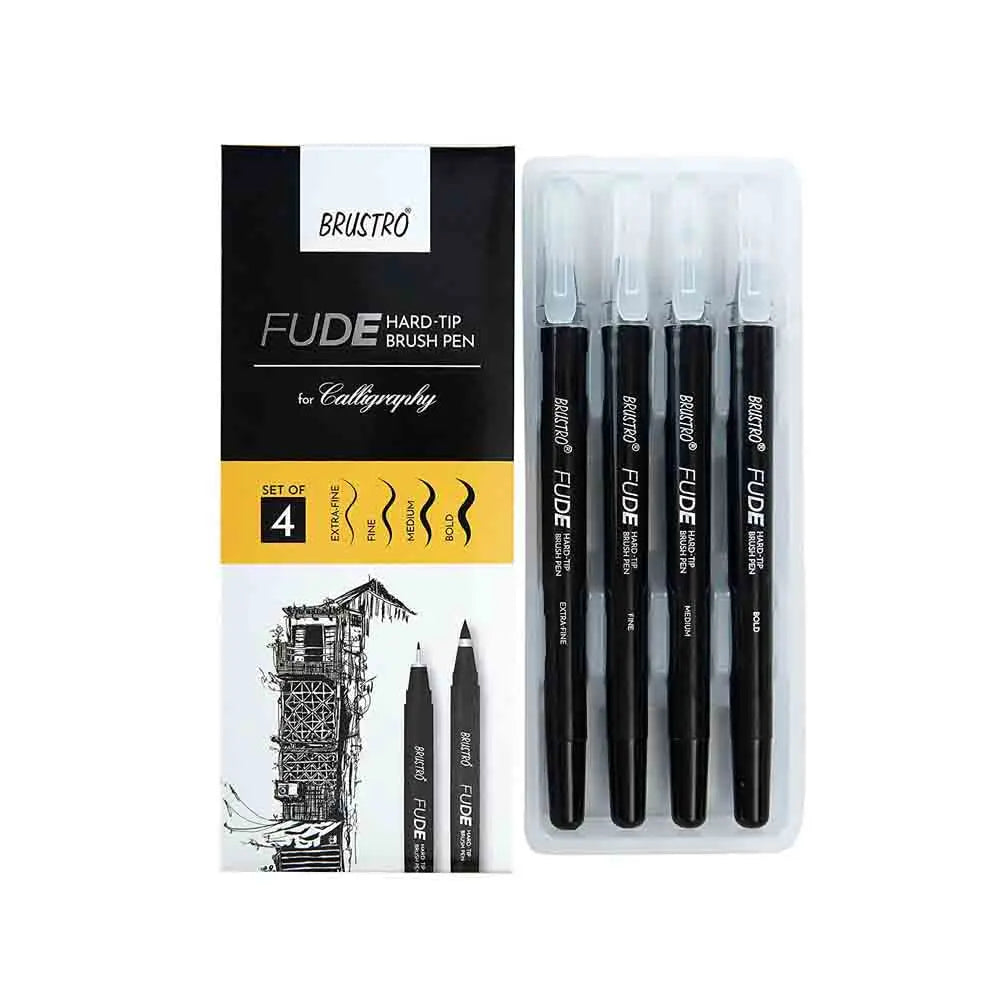
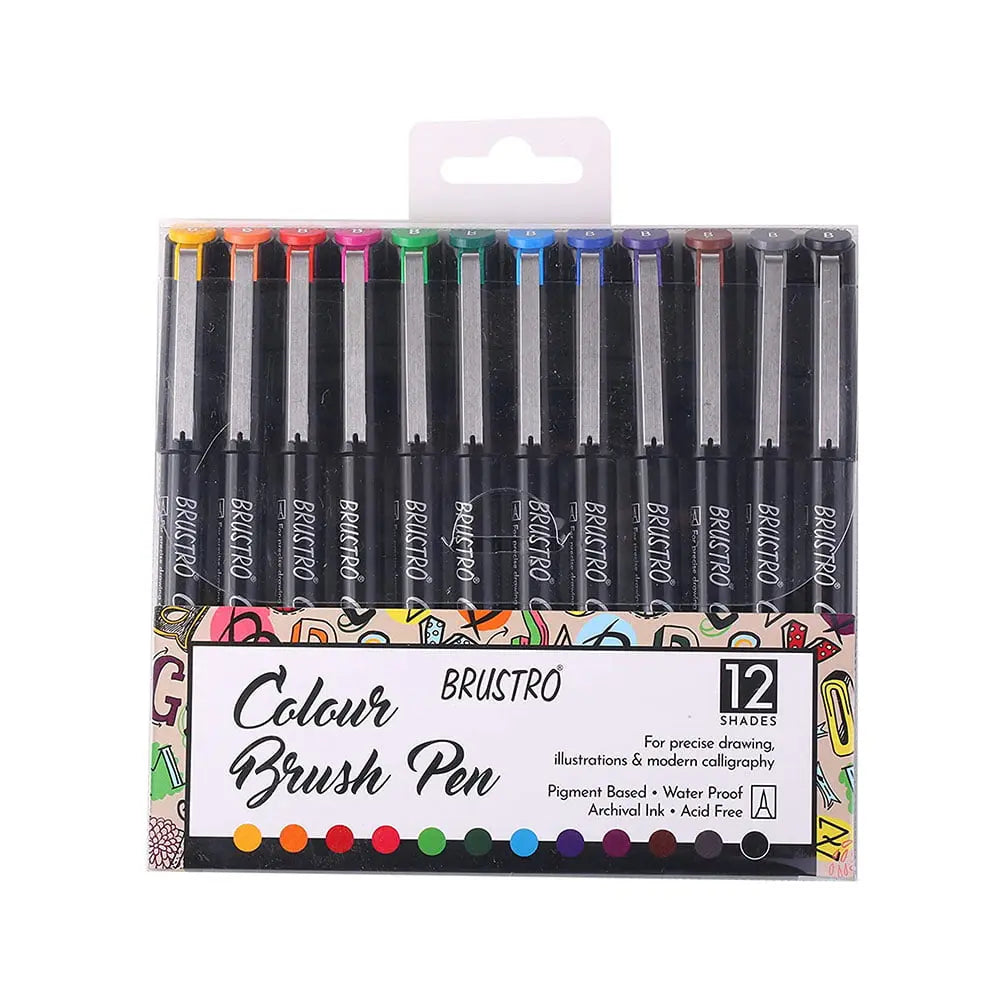
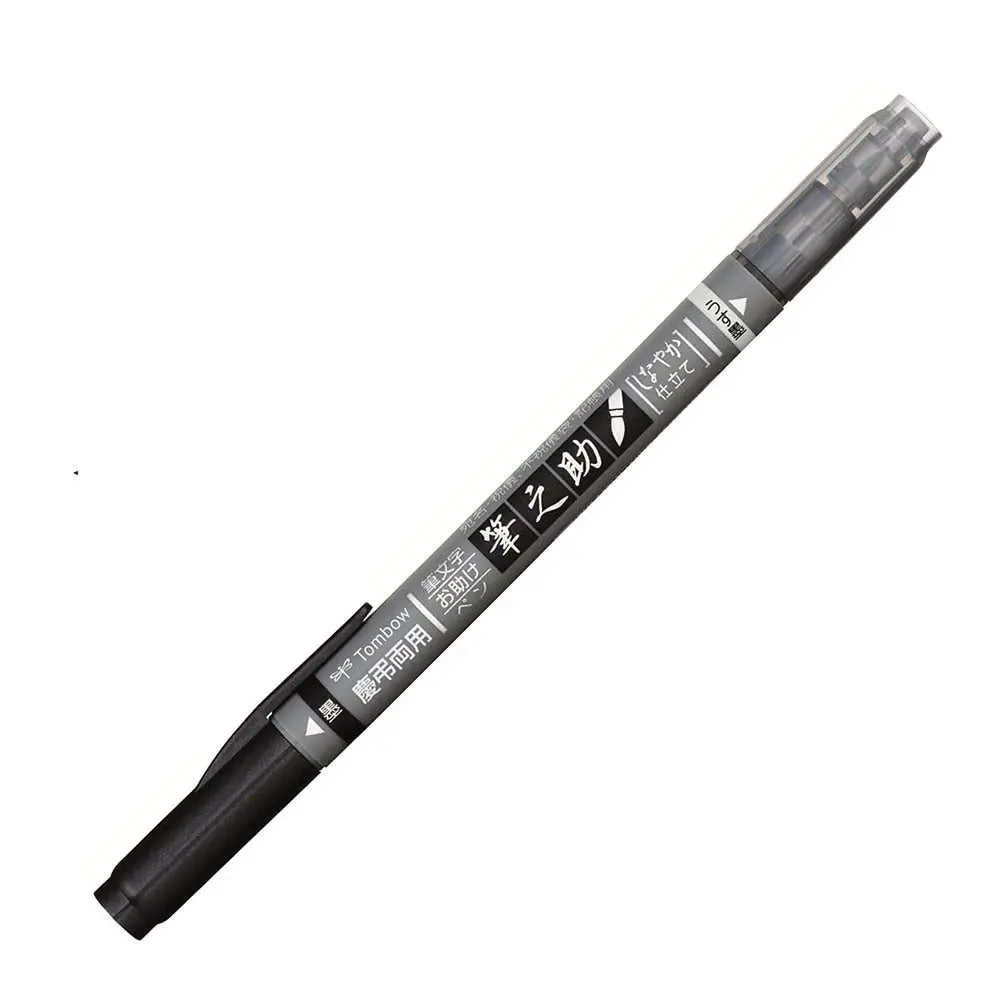
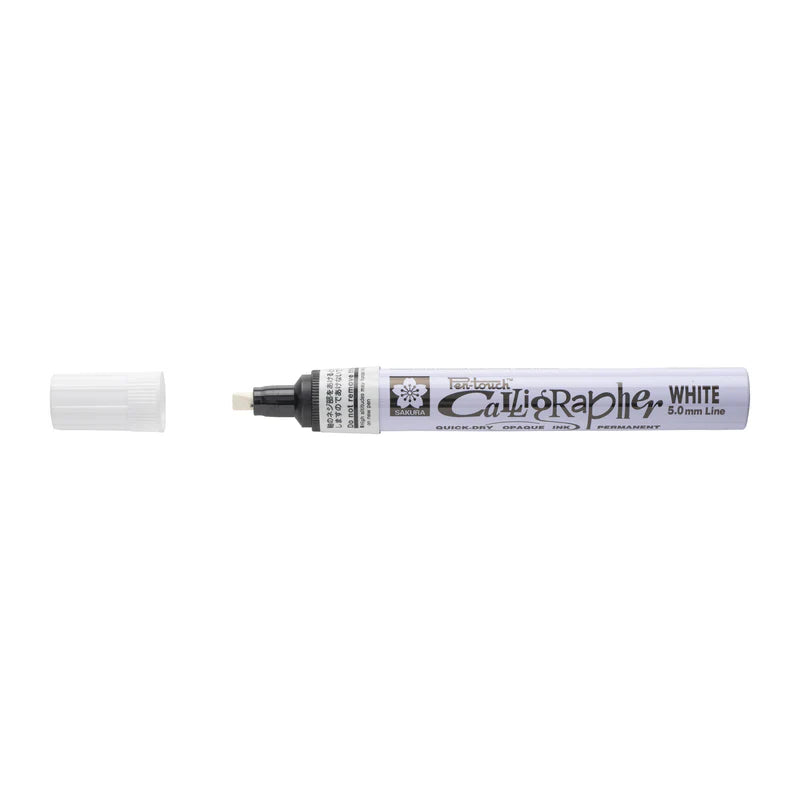

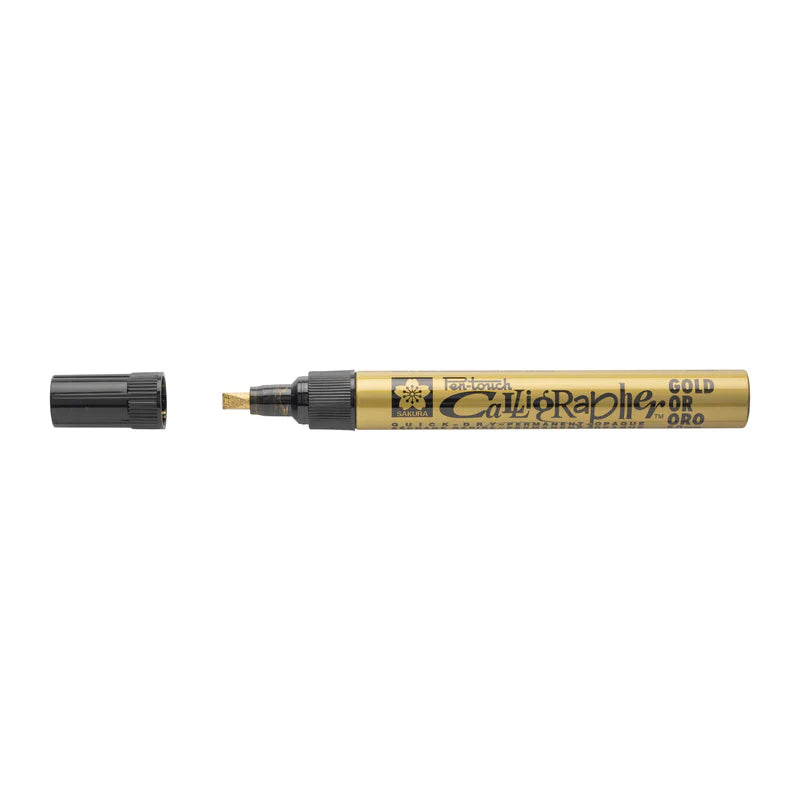

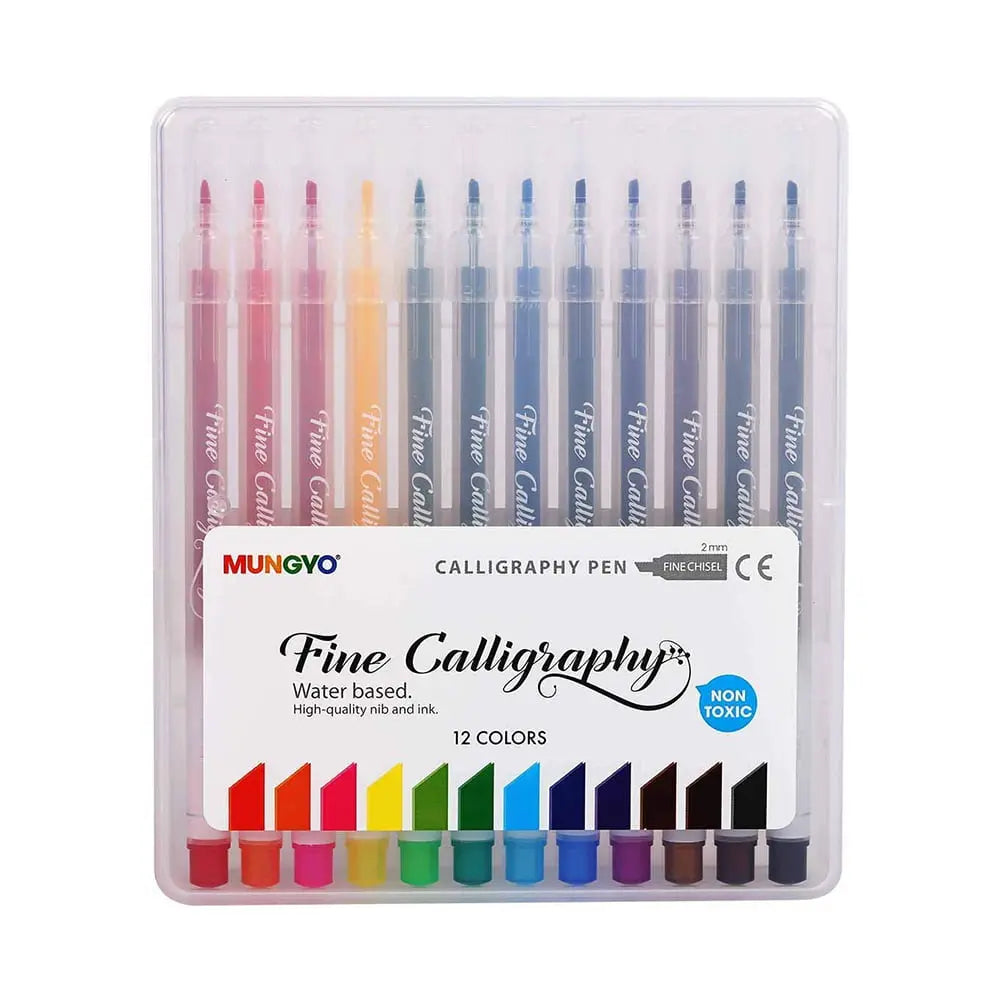
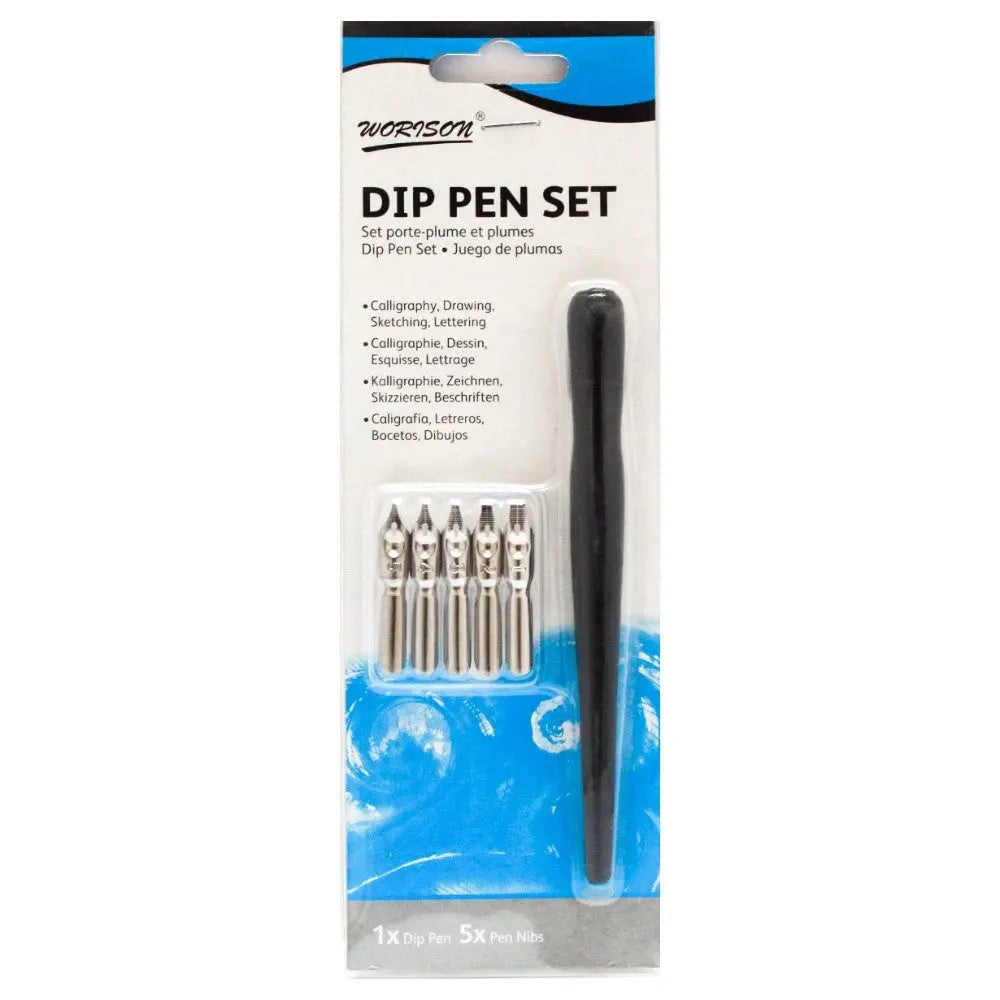
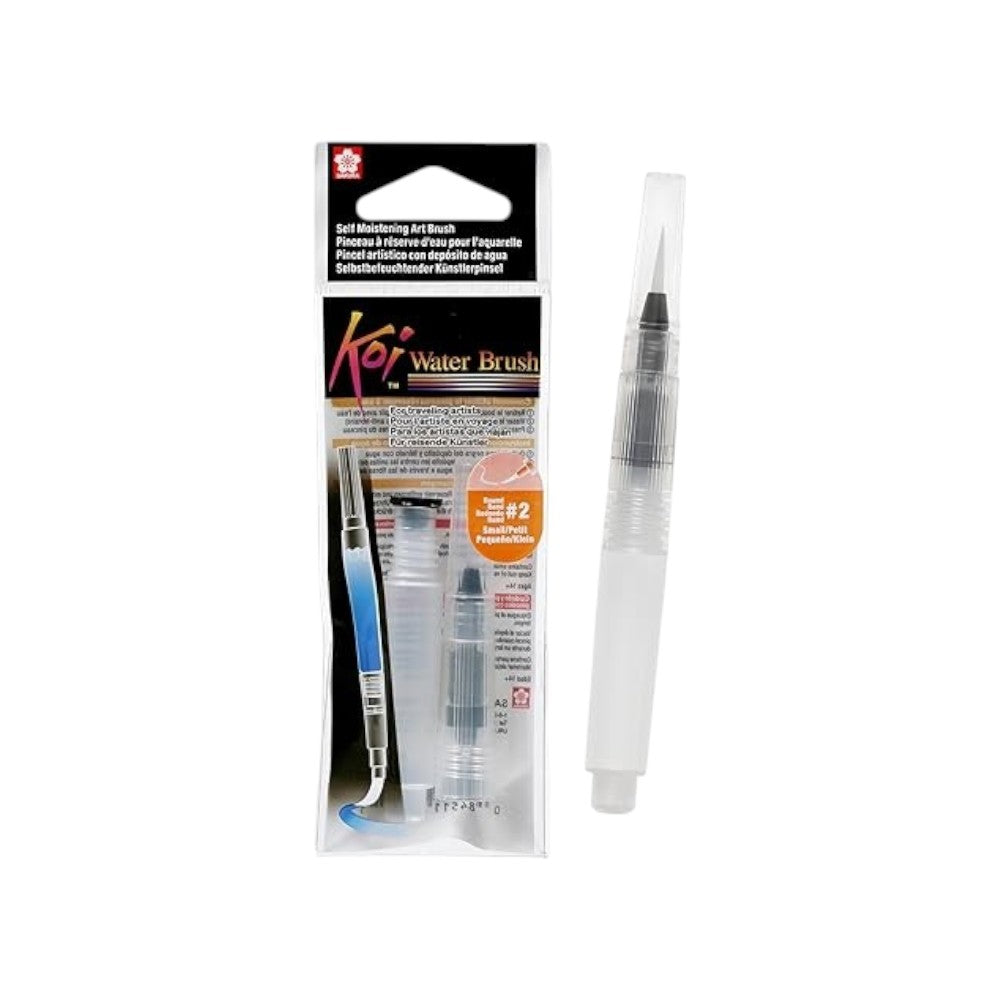





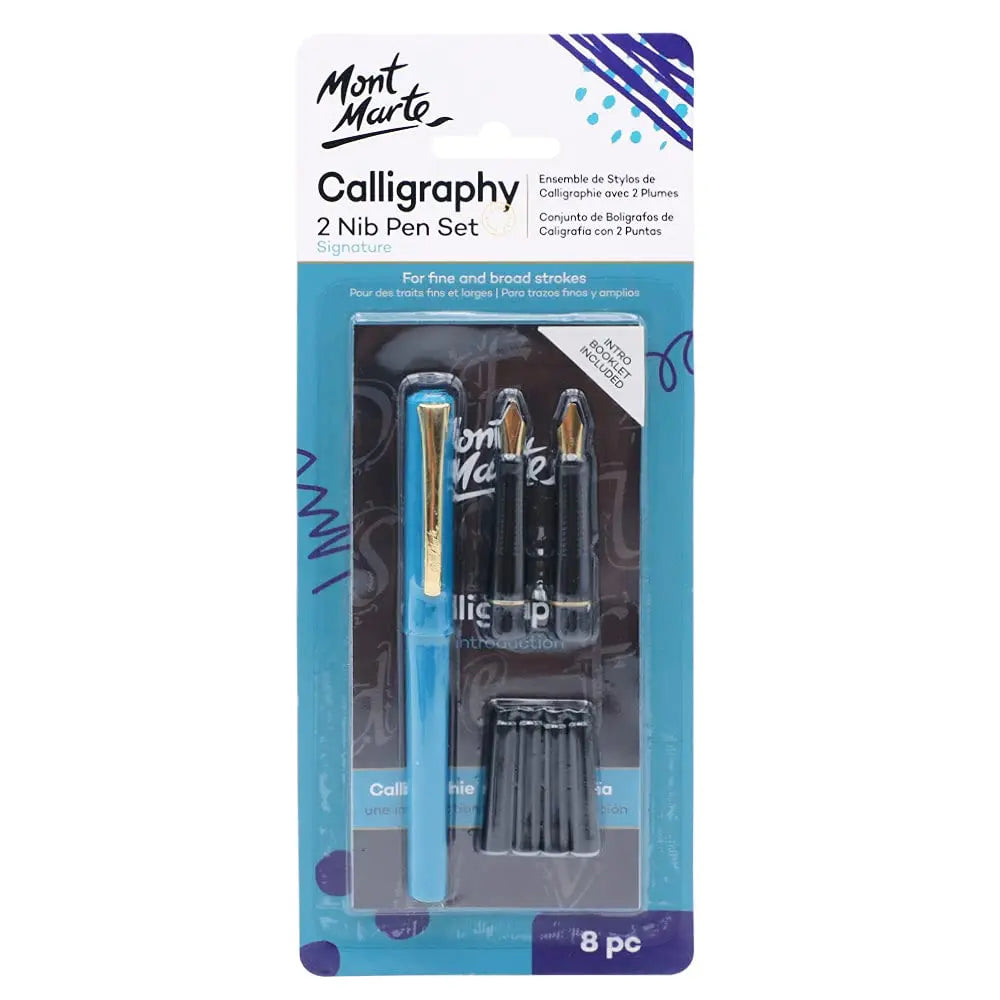
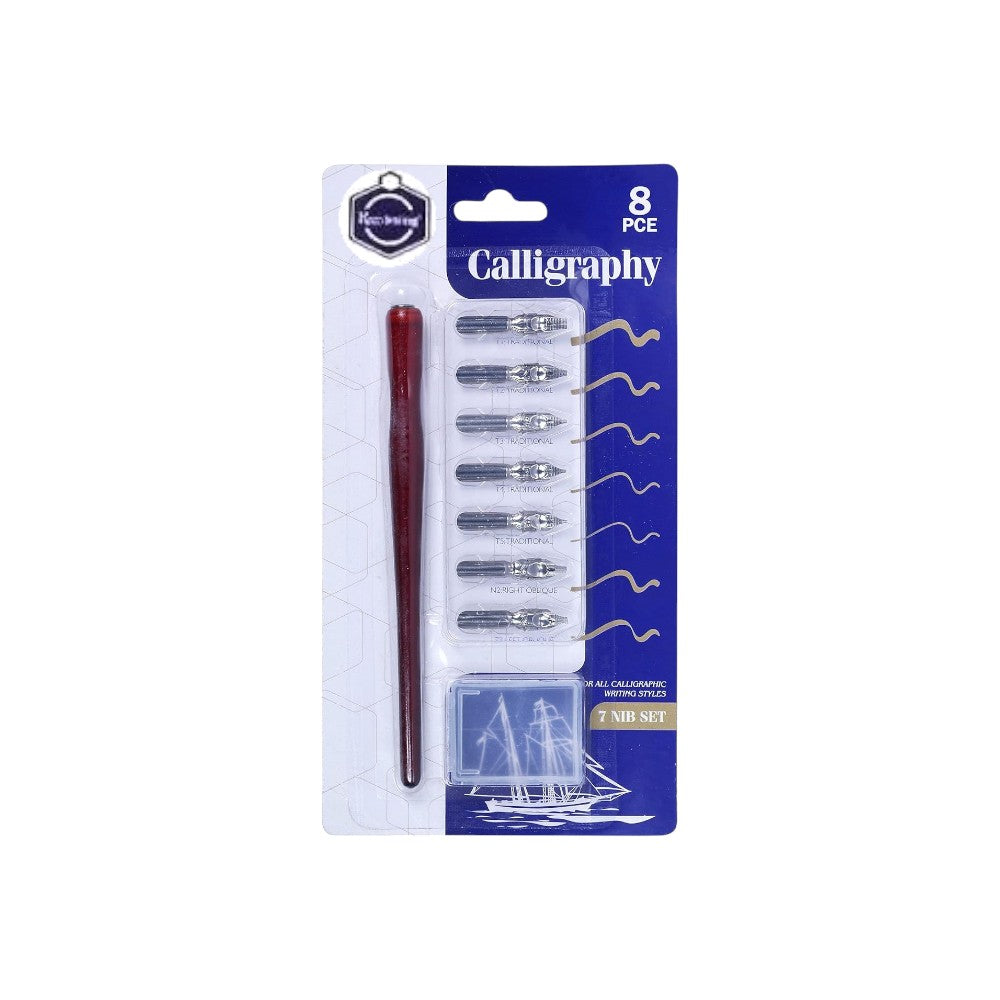

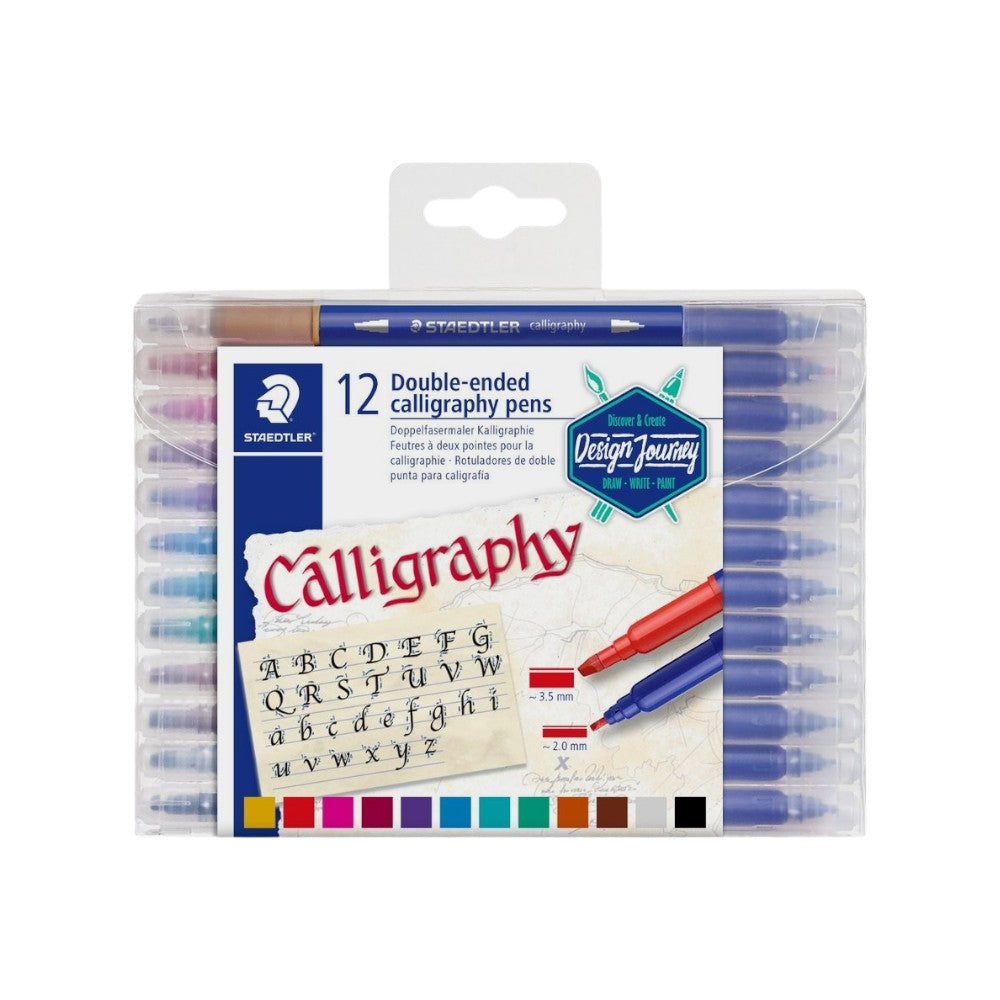

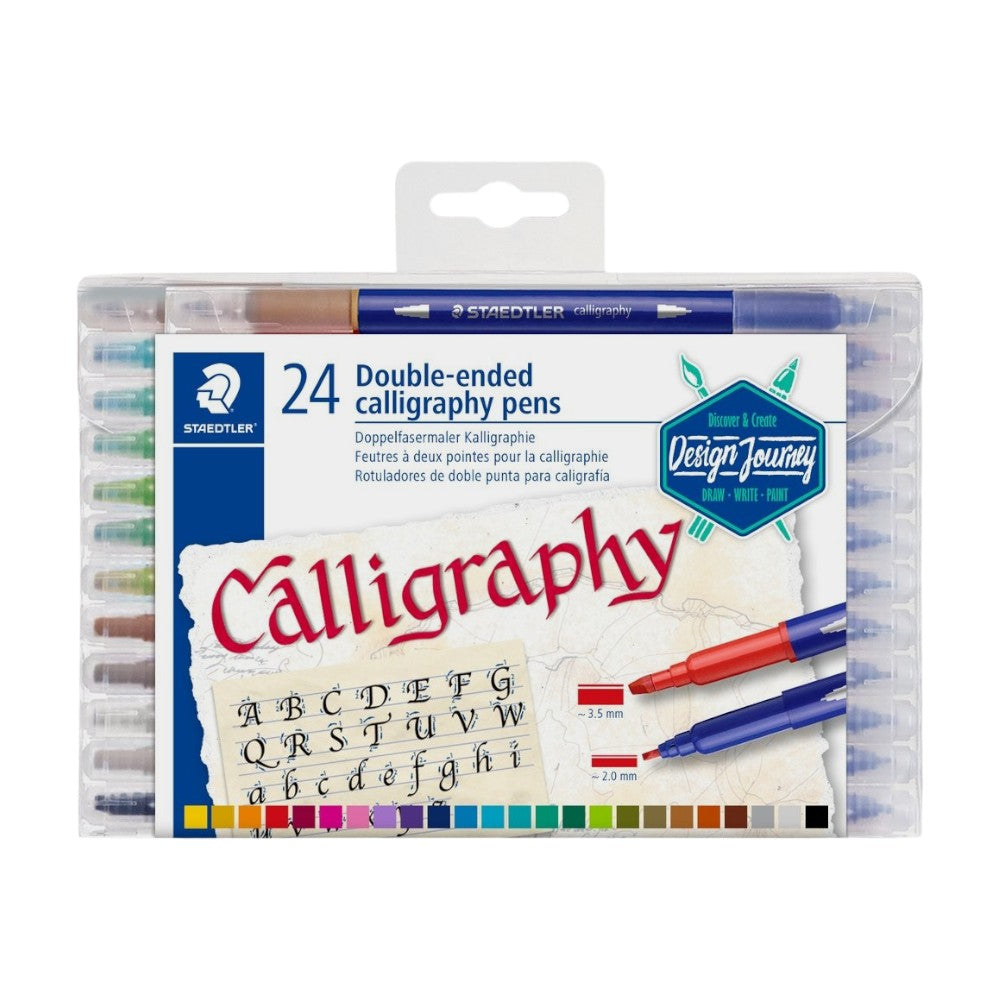



When people first get interested in calligraphy, they usually focus on how the letters look. Thick strokes. Thin strokes. Clean curves. What almost no one talks about in the beginning is how much the pen itself changes the entire experience.
That’s where Calligraphy Pens quietly decide whether you enjoy the process or get frustrated and give up.
Everyone Writes Differently (And That’s the Point)
Some people write slowly and carefully. Others move their hand quickly and adjust later. Some apply pressure without thinking. Others barely touch the paper.
This matters more than skill level.
If you’re exploring calligraphy for beginners, it helps to stop copying recommendations blindly. A pen that works perfectly for someone else may feel uncomfortable in your hand. That doesn’t mean you’re doing anything wrong.
It just means your writing style is different.
Why the “Best” Pen Isn’t Universal
You’ll often see phrases like best calligraphy pen or must-have tool. The truth is, there is no single pen that works for everyone.
Some pens react strongly to pressure. Press harder and the line spreads. Ease up and it thins out. Others stay consistent no matter how you move your hand.
If you enjoy control and predictability, pens with firmer tips tend to feel easier. If you enjoy expressive strokes and don’t mind practice, flexible pens may appeal to you later on.
Why Beginners Need Stability More Than Drama in Calligraphy Pens Practice
Many beginners jump straight into flexible nibs because they look impressive. Those tools can create beautiful lettering—but they also demand patience.
That’s why the best calligraphy pens for beginners are often simpler than expected. Pens that don’t react wildly to pressure allow you to focus on letter shapes, spacing, and rhythm instead of fighting ink flow.
Learning feels calmer when the pen behaves predictably.
Your Hand Pressure Tells You a Lot
Pay attention to how hard you press when you write normally. If you tend to press firmly, ultra-flexible pens may feel difficult at first. If you write lightly, stiffer tips might feel scratchy.
Neither is good or bad. It’s just information.
Choosing Calligraphy Pens that match your natural pressure makes practice feel less tiring and more enjoyable.
Style Preference Matters More Than Trends
Some people love bold, decorative lettering. Others prefer neat, minimalist forms. Some enjoy traditional scripts, while others lean toward modern styles.
Your preference should guide your tools.
If you’re drawn to clean, controlled lettering, pens with consistent line widths often feel satisfying. If you like variation and movement, expressive pens can become exciting once you’re comfortable.
The pen should support your style, not force you into one.
Comfort Is Often Ignored (But It Shouldn’t Be)
A pen can look beautiful and still feel terrible after ten minutes. Grip thickness, length, and balance all affect comfort.
When a pen feels right, you stop thinking about your hand. That’s when practice lasts longer, and improvement happens naturally.
This is another reason refillable and well-balanced calligraphy pens are popular—they’re easier to live with over time.
Don’t Buy Everything at Once
It’s tempting to collect many pens early on. But switching tools constantly can slow learning. Each pen behaves differently, and your hand needs time to adjust.
Start small. Learn how one or two pens respond. Once you understand what you like and dislike, expanding your collection makes more sense.
Good Tools Remove Frustration
Practice matters more than tools—but bad tools can kill motivation. Inconsistent ink, scratchy tips, or uneven flow make learning harder than it needs to be.
Access to reliable calligraphy pens from multiple brands helps beginners experiment without guesswork. Canvazo India makes it easier to explore different options in one place and choose what actually fits your writing style.
Your Preference Will Change Over Time
What feels comfortable today might feel limiting later. That’s normal. As control improves, many writers move toward more expressive pens.
Choosing calligraphy tools isn’t a one-time decision. It evolves with you.
The Right Pen Encourages Practice
The best pen isn’t the most expensive or the most popular. It’s the one that makes you want to sit down and write again tomorrow.
If a pen feels intimidating, you’ll avoid it. If it feels friendly, you’ll keep practicing—and that’s what actually improves your lettering.
FAQs
Is calligraphy hard for beginners?
It takes patience, but the right pen makes learning feel far less frustrating.
What should beginners look for in calligraphy pens?
Control, consistent ink flow, and comfort matter more than flexibility at first.
Are flexible nibs good for beginners?
They’re better explored after basic control is developed.
How many calligraphy pens should I start with?
One or two reliable pens are enough to begin.
Where can I explore calligraphy pens in India?
You can explore a wide range of calligraphy pens from different brands through Canvazo India.