
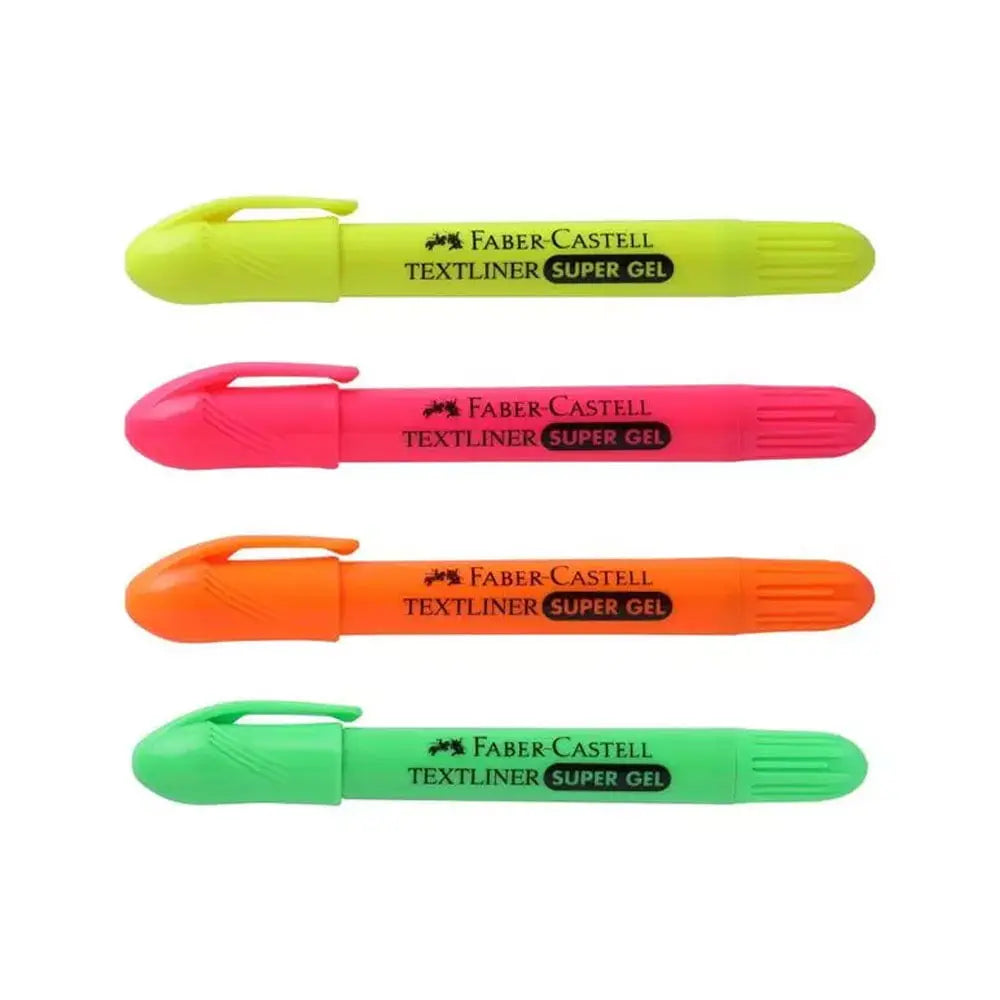
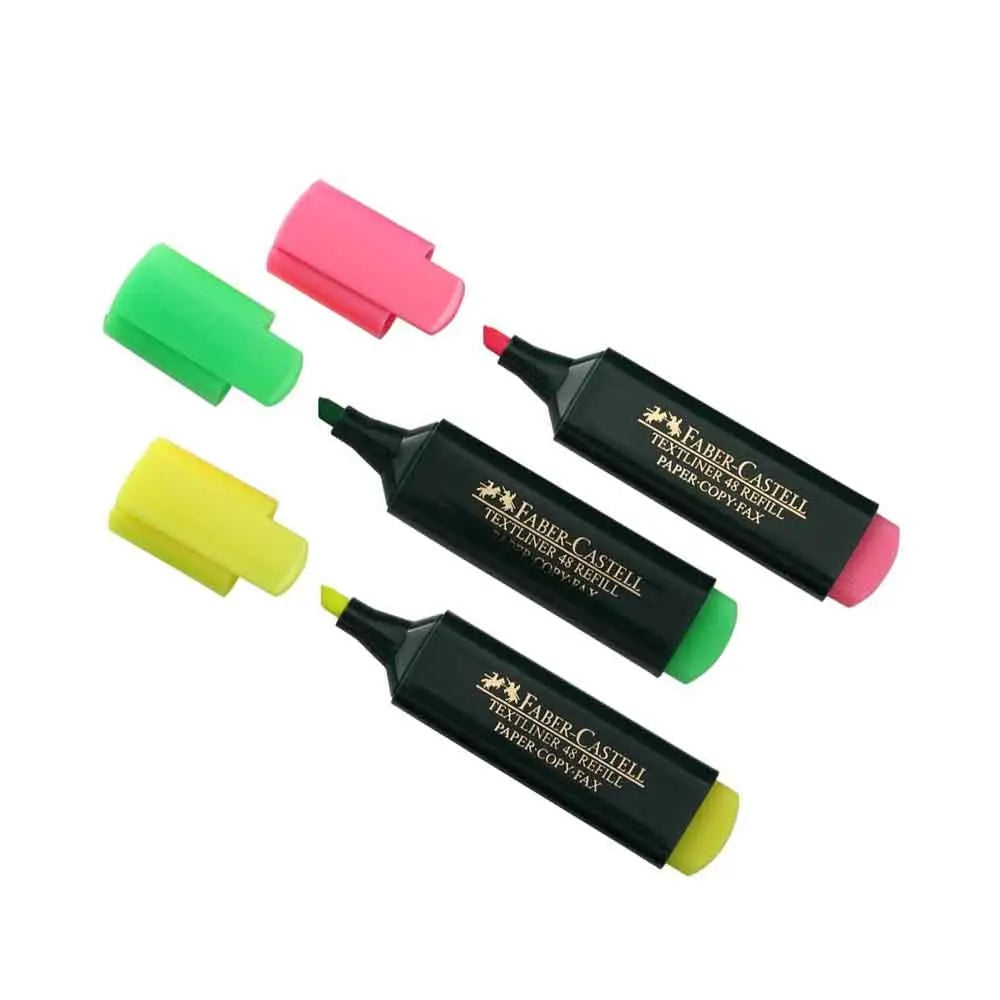
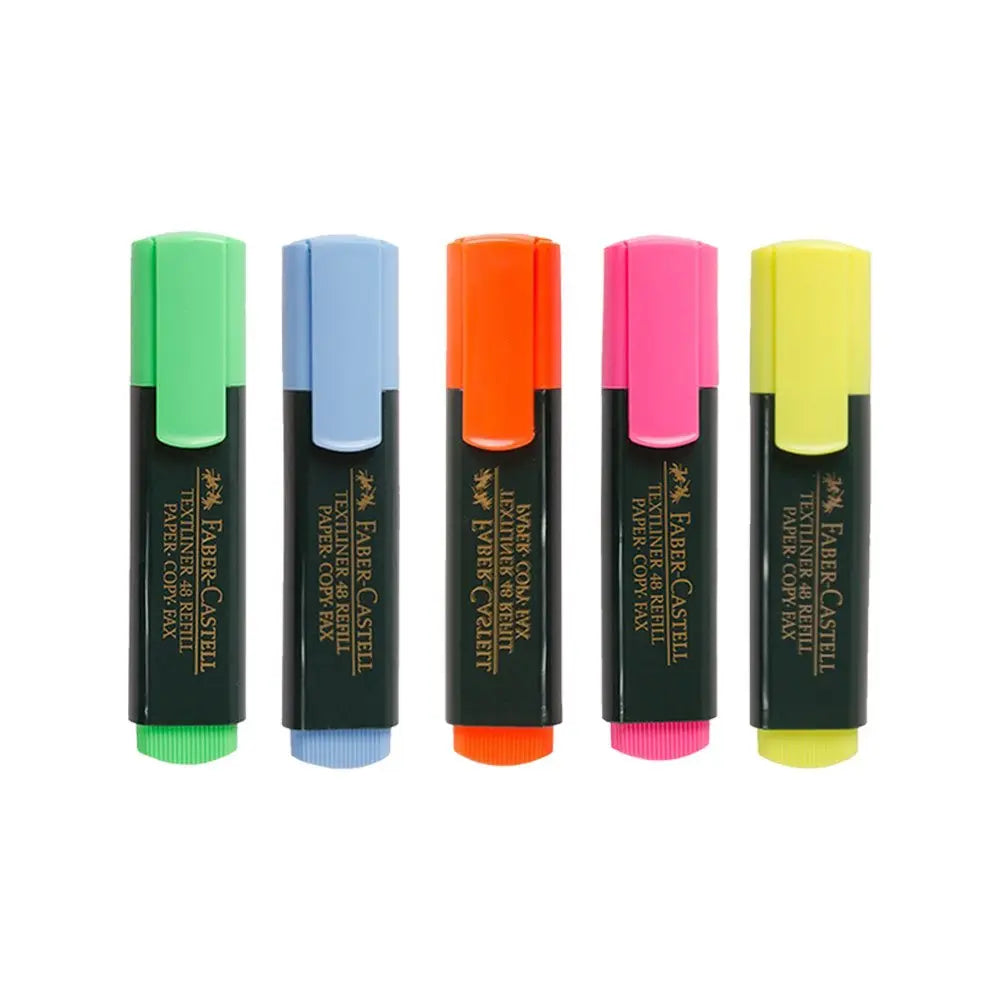
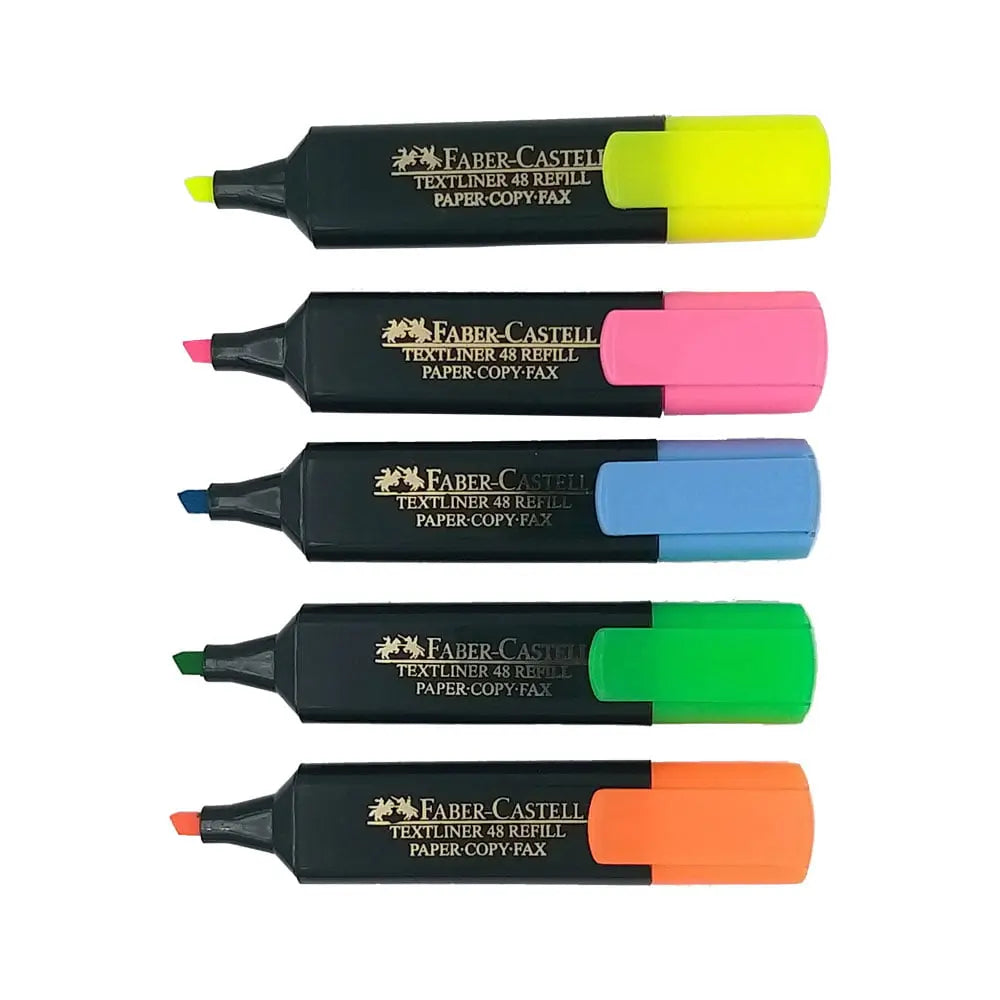




A highlighter is a specialised writing tool designed to draw attention to important information on the page while keeping the original text readable. It uses transparent fluorescent ink that makes key points stand out without obscuring the words beneath.
Highlighters are indispensable for students, professionals, and anyone who needs to review documents, organise notes, or emphasise key details in printed material. By using vivid colours, you can make sure that important facts, figures, and passages remain easy to find at a glance during revision or workflow review.
What Makes Highlighters Unique?
Highlighters are distinct from regular marker pens because their ink is fluorescent and translucent rather than bold and opaque. This special ink allows the underlying text to stay visible even after highlighting.
The colours used in highlighters, such as yellow, pink, green, and blu,e are created using fluorescent dyes that absorb light and emit it as a bright, eye‑catching shade. This fluorescence makes the highlighted text more noticeable under normal light conditions.
Because of this design, highlighters are ideal for tasks that require reviewing, scanning, and organising longer texts from textbooks and reports to printed presentations and study guides.
Common Types of Highlighters
Highlighters come in various forms, each suited to different use cases.
Liquid Ink Highlighters
These traditional highlighters use fluorescent ink in a liquid form, providing bright, visible lines that make text easy to scan.
Gel Highlighters
Gel highlighters use a gel‑like core instead of liquid ink. They often glide smoothly, reduce bleed‑through on thin paper, and are popular with students and journalers.
Erasable Highlighters
Some highlighters use special ink that can be erased, making them useful when working with temporary notes or drafts.
Dual‑Tip Highlighters
These pens offer both a broad side for wide highlights and a fine side for precision marking, combining versatility in one tool.
Eco‑Friendly or Refillable Options
Recently, sustainable highlighters have emerged that use recyclable materials or refillable ink systems to reduce waste.
Why Highlighters Matter
Improved Reading and Retention
Using a highlighter helps you engage actively with text. Highlighting forces you to identify important information, which can aid comprehension and review during exams or project preparation.
Visual Organisation
Colour coding information, such as using one colour for definitions and another for dates helps organise complex material visually, making it easier to navigate large documents.
Efficient Document Review
Professionals often use highlighters to flag key clauses in legal texts, action items in reports, or summary points in research documents, speeding up review workflows.
Study Aid for Students
Students at all levels use highlighters in note‑taking and textbook review to focus on what matters most during revision. The bright colours help distinguish priority points from general text.
How to Choose the Right Highlighters
Ink Quality & Dry Time
Good highlighters use inks that dry quickly and resist bleeding through pages, which keeps notes clean and readable.
Bleed‑Through Resistance
Especially when using thin notebooks or double‑sided pages, choose highlighters that minimise ink seepage so your work stays neat.
Comfort & Design
Ergonomic grips and comfortable barrels make long study or briefing sessions more comfortable and reduce hand fatigue.
Range of Colours
A variety of colours allows you to create your own colour‑coding systems, supporting better organisation and memory.
Sustainability
Eco‑friendly highlighters made from recycled materials or with refillable ink reduce waste and support environmentally conscious choices.
Everyday Uses of Highlighters
Studying & Revision
Highlighters are widely used by students to mark essential points in textbooks or notes before exams.
Office & Professional Work
In business environments, colour‑coded highlighting helps manage priorities, distinguish task categories, and simplify document navigation.
Reading & Research
Scholars and researchers use fluorescent ink to mark key concepts or findings within lengthy academic texts for easier future reference.
Creative Projects
Beyond text, highlighters are also used creatively for bullet journals, planners, and visual organisers, adding colour and clarity to personal workflows.
Tips for Effective Highlighting
-
Highlight selectively: Too much colour can overwhelm the page and reduce the effectiveness of your notes. Only mark the most essential information.
-
Use colour‑coding: Assign meaning to specific colours to create a personalised system that improves recall and organisation.
-
Match paper thickness: On thinner paper, choose highlighters designed to minimise bleed‑through for cleaner results.
-
Store properly: Keep caps closed when not in use to prevent the ink from drying out prematurely.
Highlighters: Science and Safety
Highlighter inks commonly contain fluorescent dyes that absorb and emit light, making marked text visually stand out. Some formulations include solvents and additives that help ink flow smoothly and dry at a fast rate.
Most modern highlighters intended for students and office use are labelled as non‑toxic, meaning they are safe for regular handling, though ingestion or misuse should always be avoided.
Conclusion
Our Highlighters collection brings together a range of tools that enhance how you interact with printed text, from active study and research to office review and creative planning. With vibrant colours, ergonomic designs, and reliable performance, these tools help you stay organised, focused, and efficient with every page you tackle.
Discover the perfect highlighters to complement your workflow and make information stand out only at Canvazo.
FAQs
-
What is a highlighter used for?
Highlighters are used to emphasise important text while keeping the original words readable. They help students, professionals, and readers quickly locate key points in books, notes, or documents.
-
Which colour highlighter is best for studying?
Yellow is often considered the easiest on the eyes and ideal for extended reading. Other colours like pink, green, and blue are useful for colour-coding different types of information.
-
What types of highlighters are available?
Highlighters come in liquid ink, gel, erasable, dual-tip, and eco-friendly refillable types. Each type is designed for specific needs like smooth highlighting, precision marking, or sustainability.
-
Can highlighters damage paper?
Quality highlighters are designed to minimise bleed-through and smudging, even on thin paper. Always choose highlighters suitable for the paper type you are using.
-
Are highlighters safe to use?
Most modern highlighters are labelled as non-toxic and safe for regular use. They are designed for students and office use, though ingestion or misuse should be avoided.
-
How do I prevent highlighter ink from smudging?
Allow the ink to dry for a few seconds after highlighting, and use highlighters specifically designed for fast drying. Gel or erasable highlighters can also reduce smudging.
-
Can highlighters be used on colored paper?
Yes, but lighter fluorescent shades are usually more visible on colored or dark paper. Some highlighters are formulated for specialty surfaces and offer better contrast.
-
What are erasable highlighters?
Erasable highlighters use special ink that can be removed with an eraser. They are useful for temporary highlighting or when notes might change.
- How do I store highlighters to make them last longer?
Store highlighters with caps tightly closed to prevent ink from drying out. Keep them in a cool, dry place away from direct sunlight.