
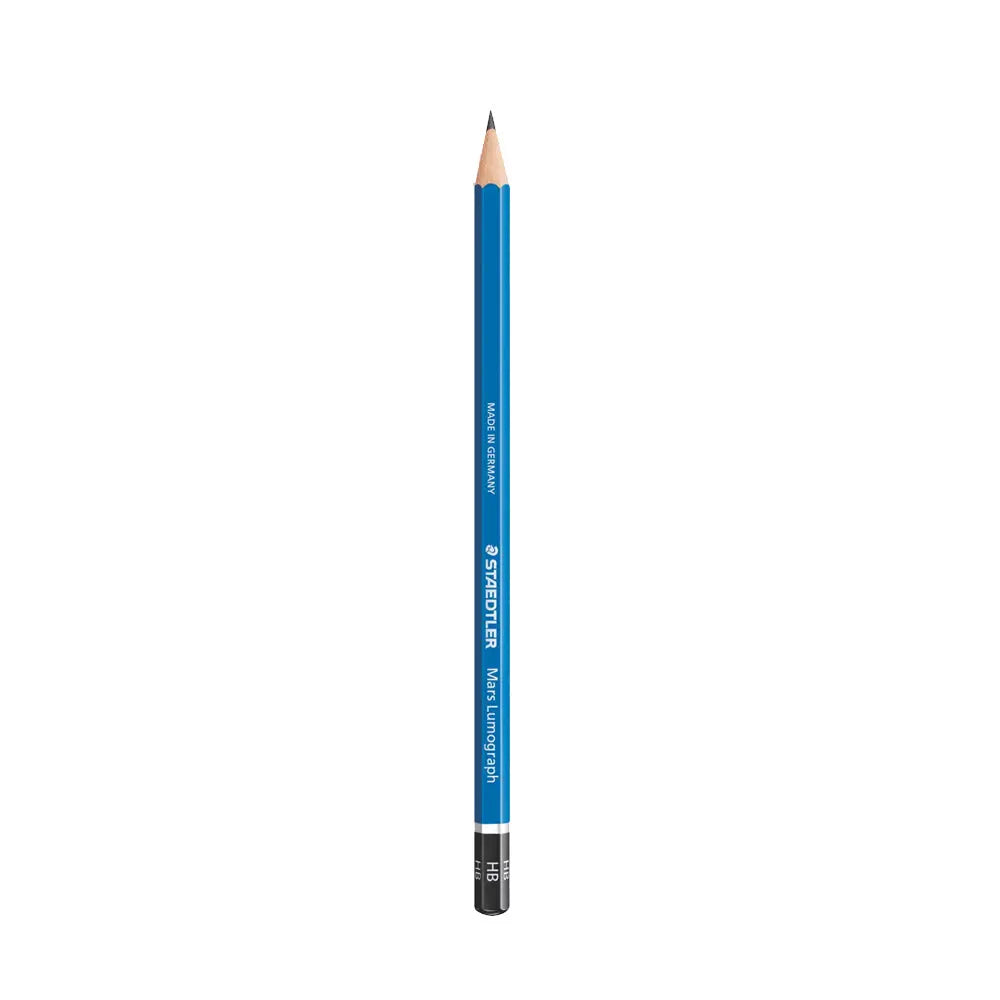

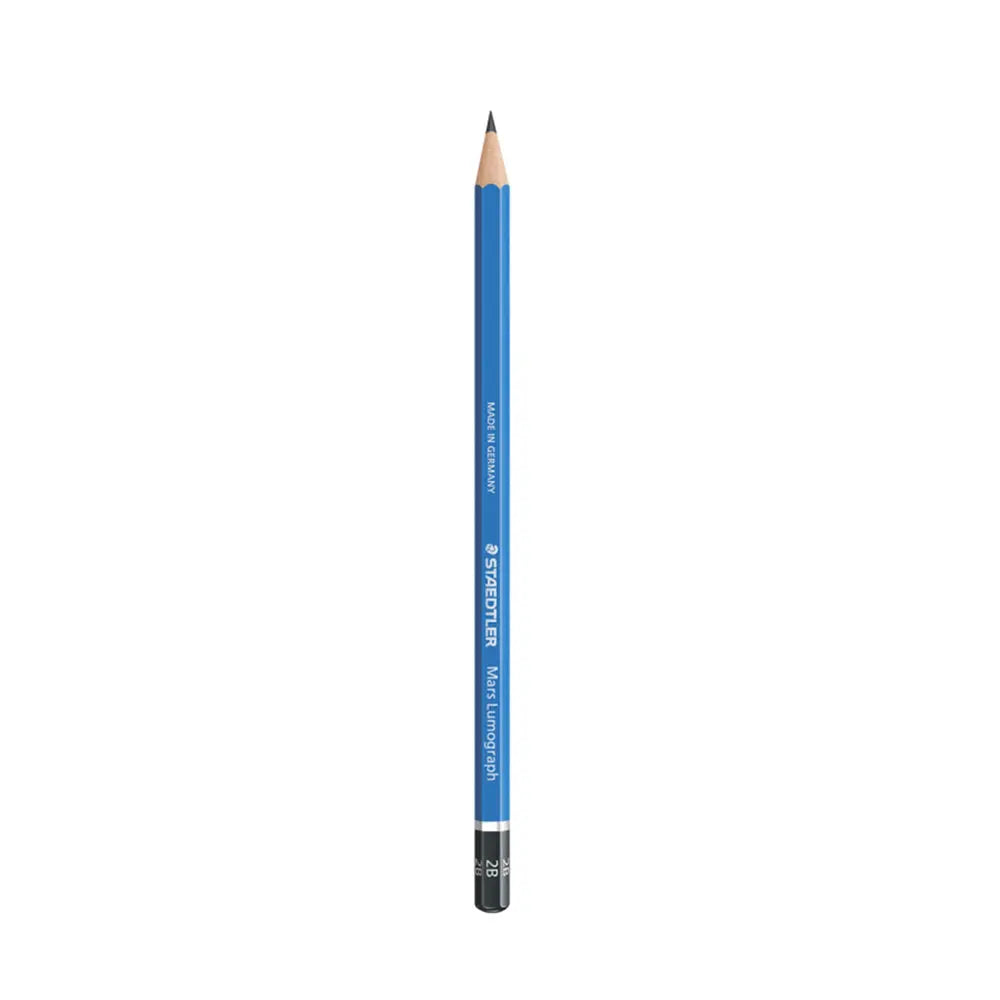

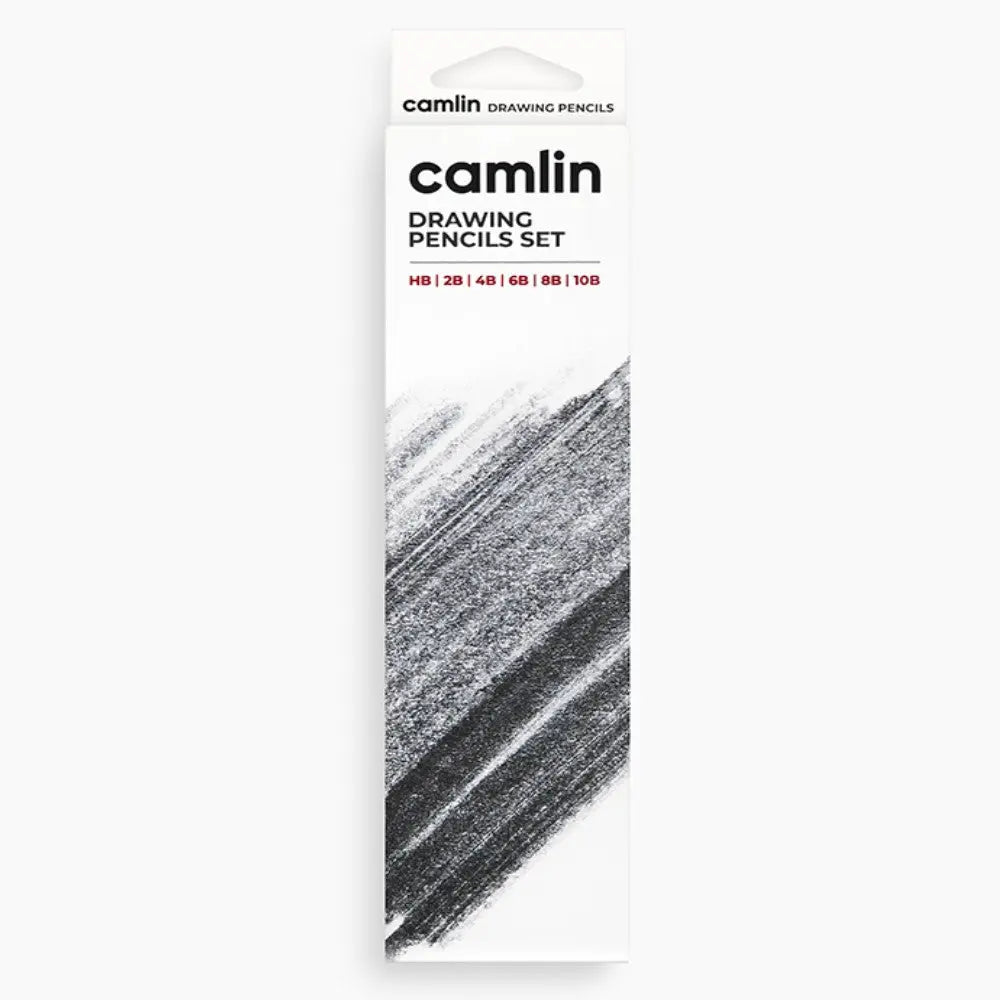

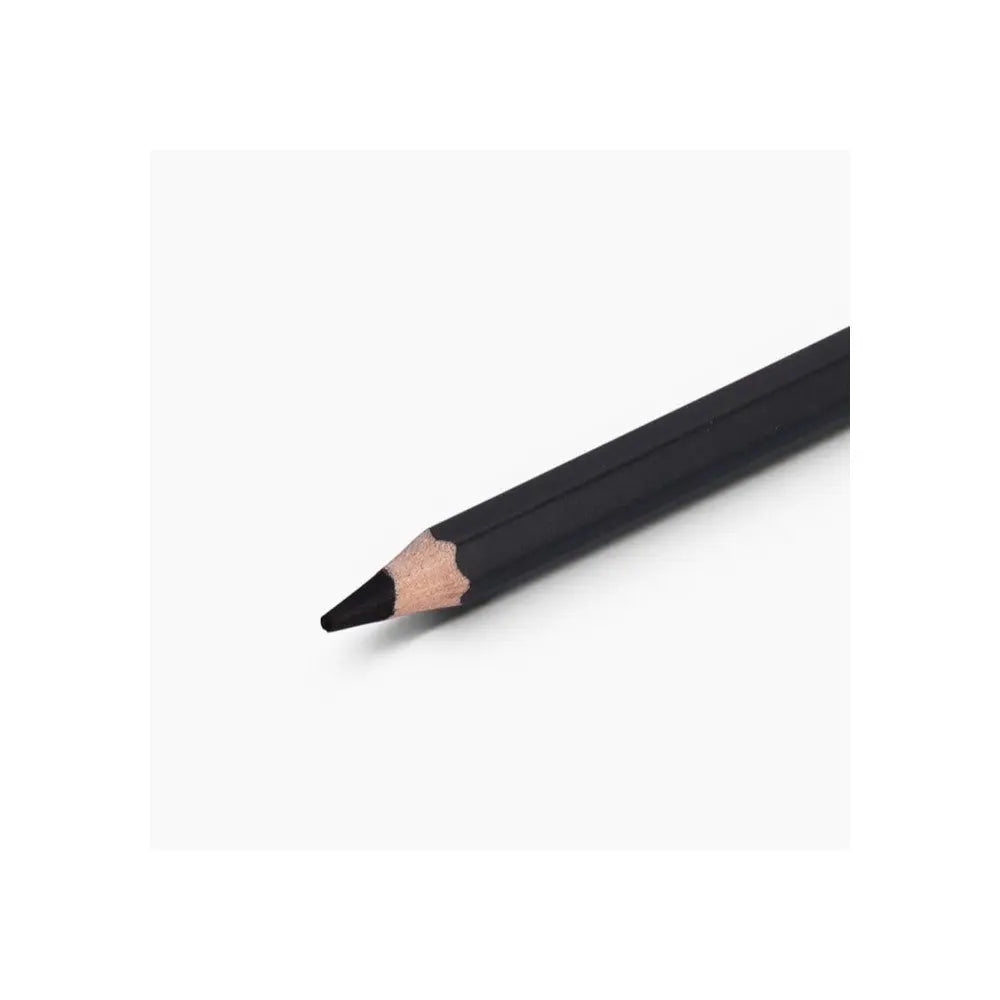

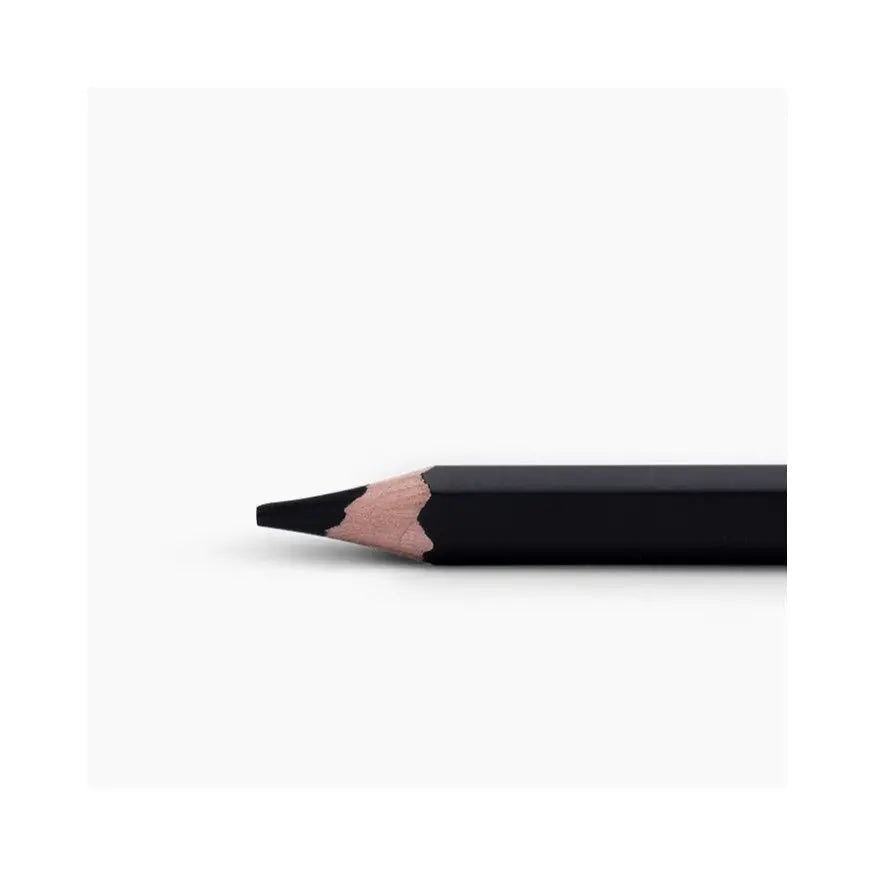

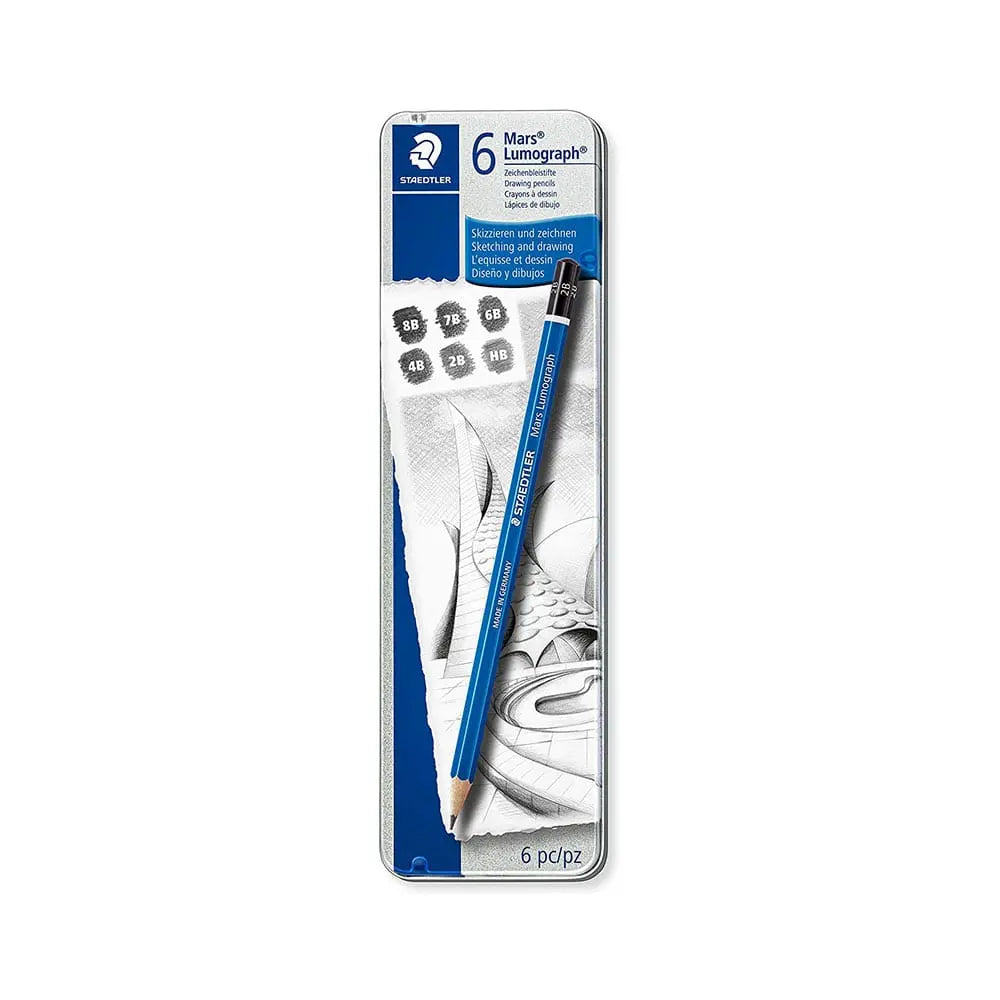

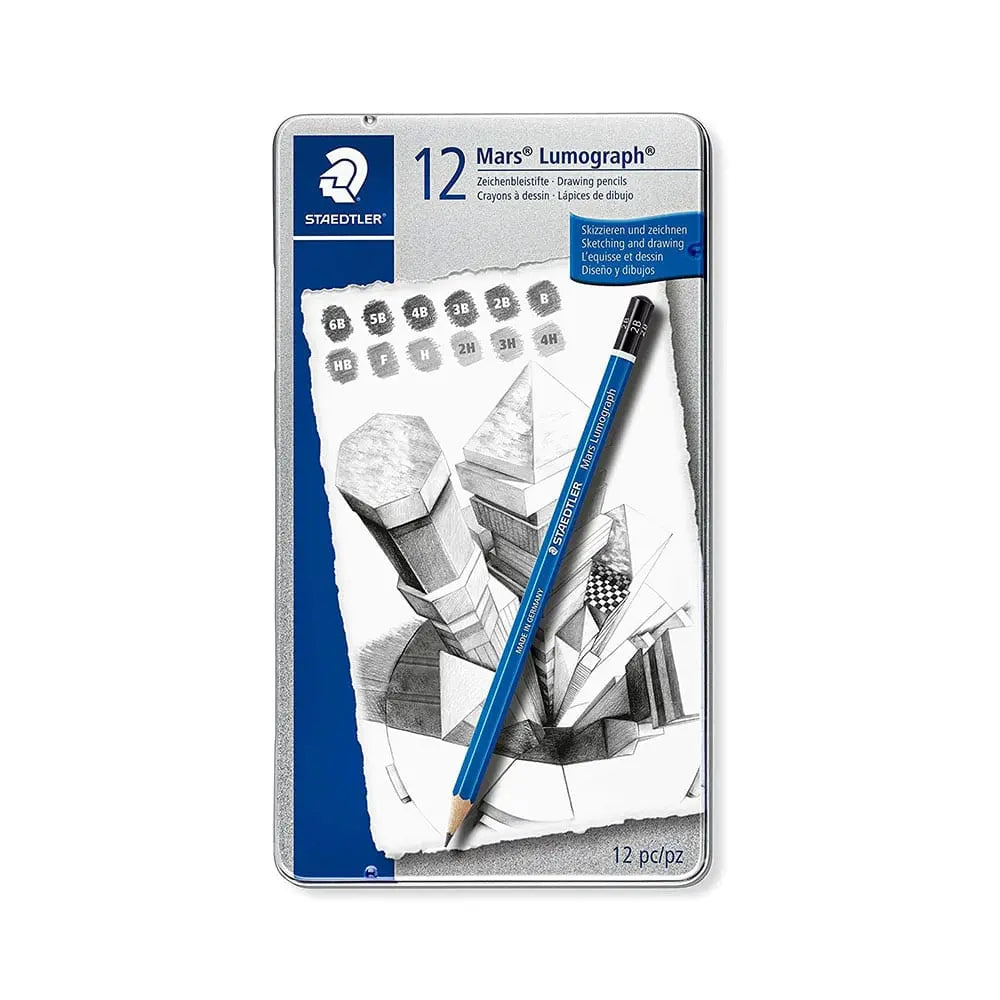


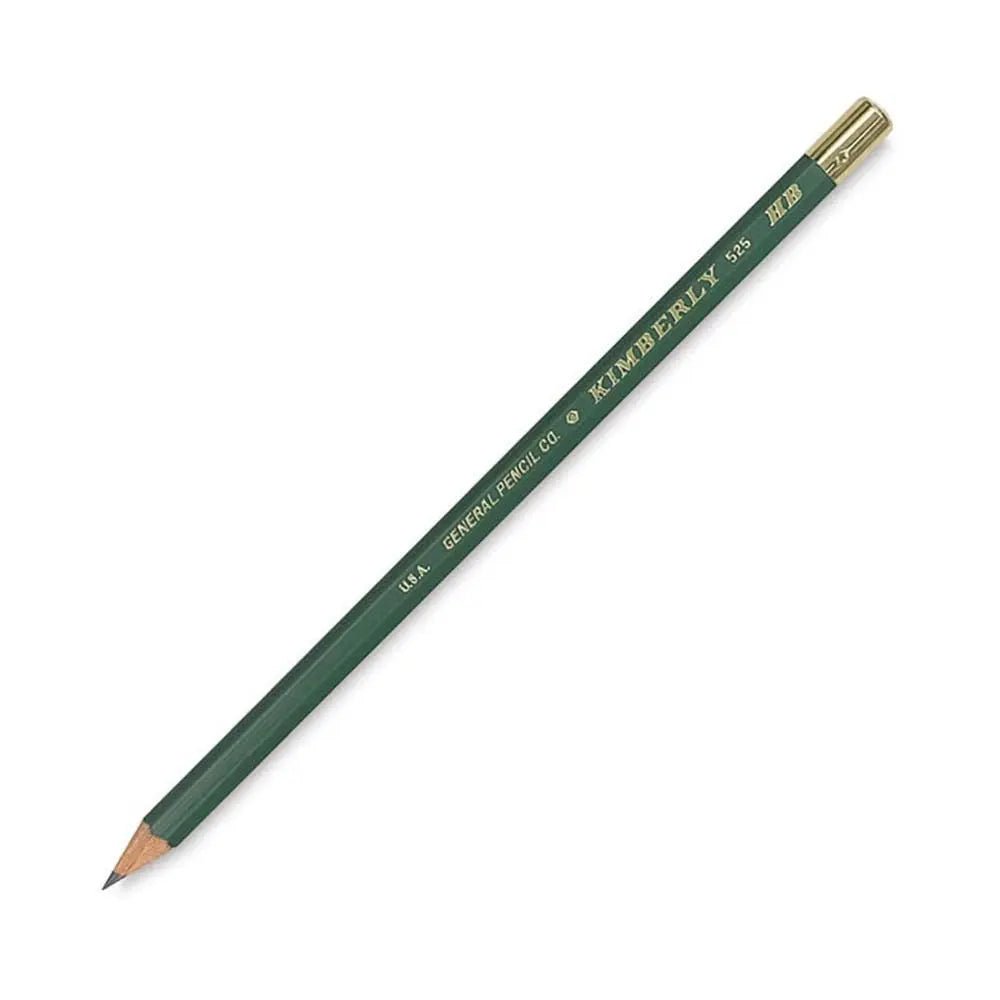
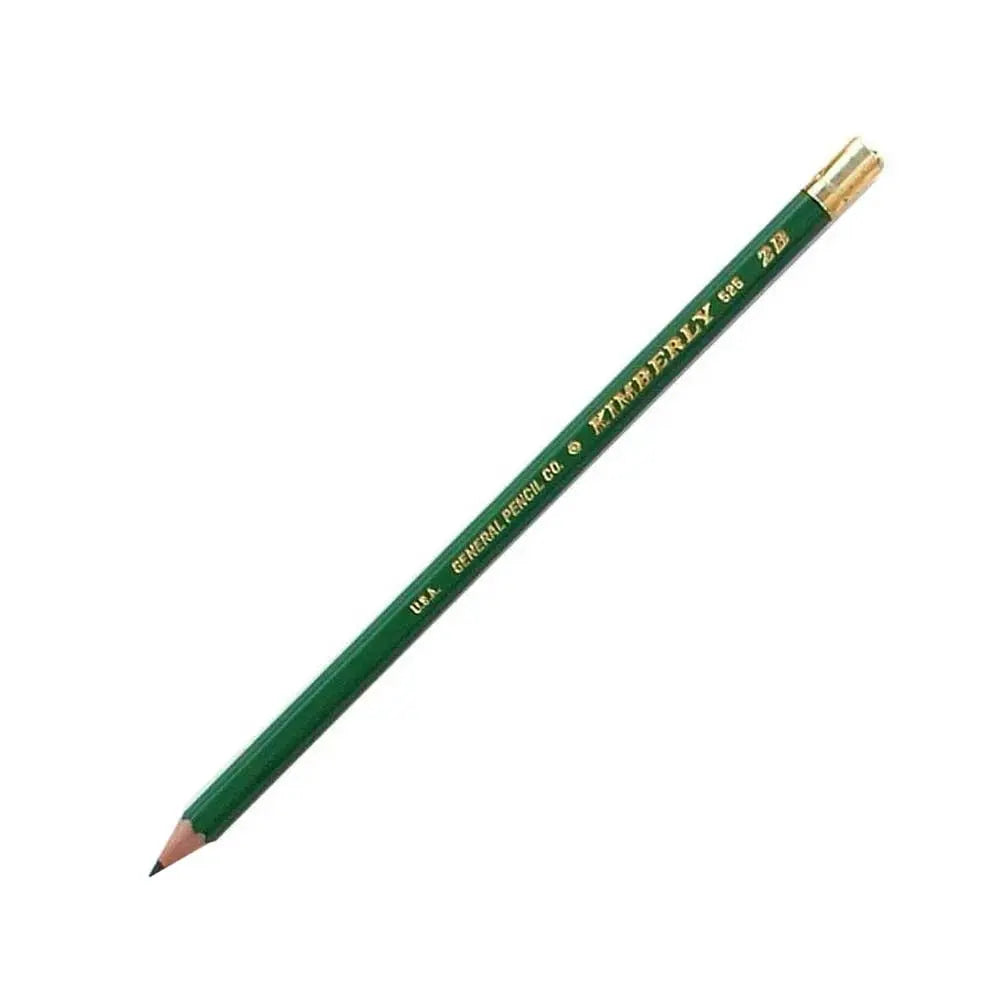
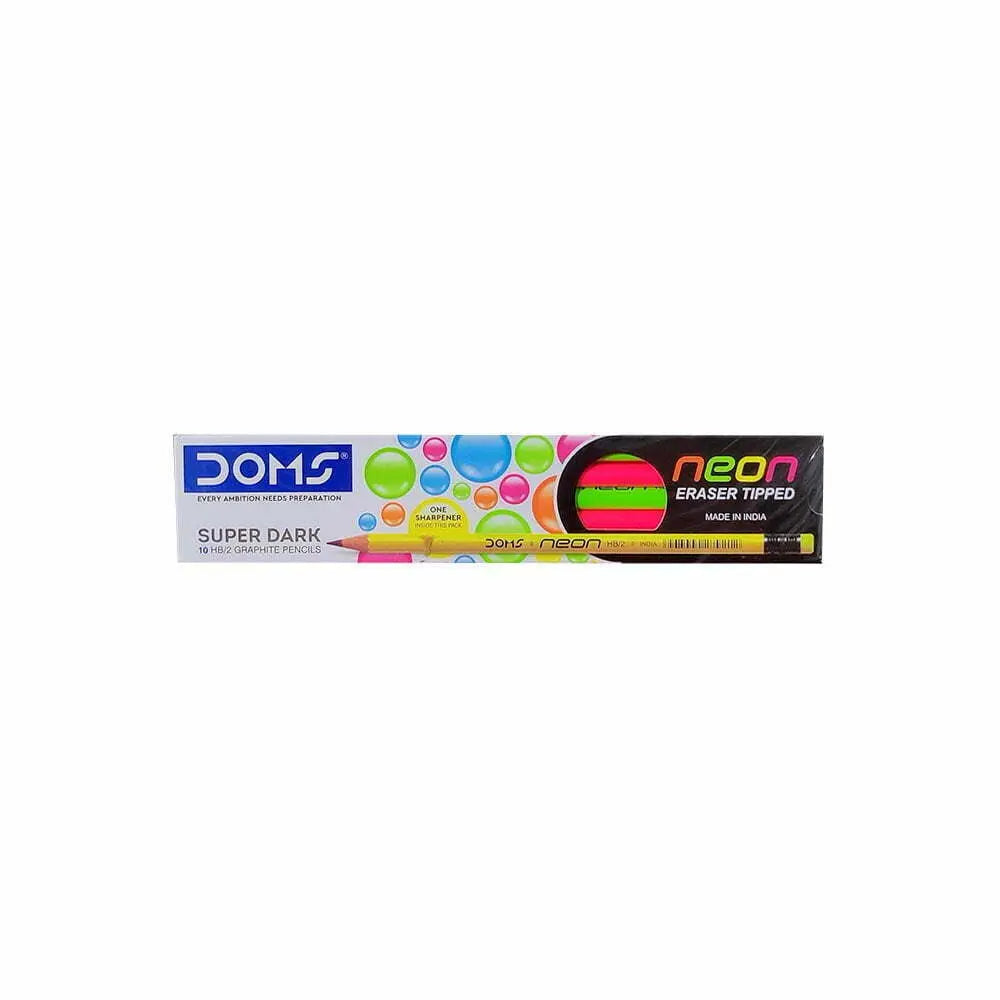

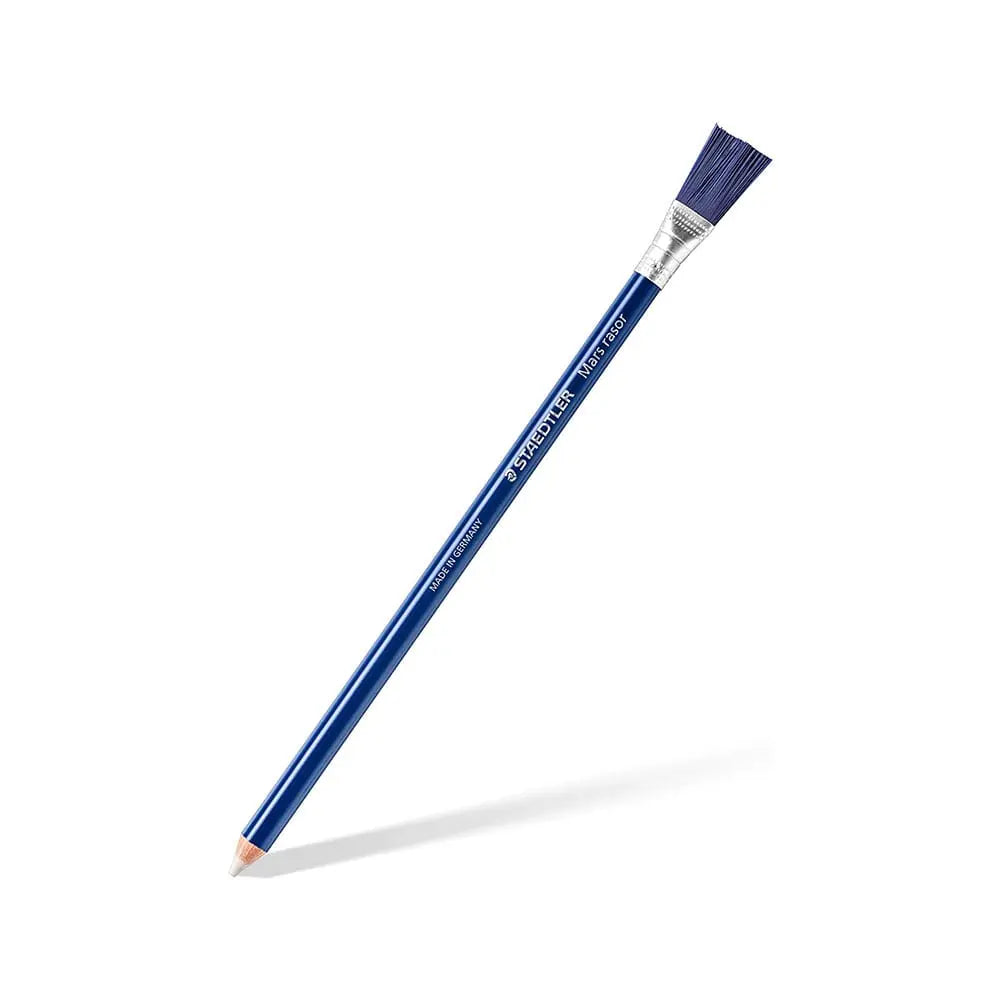

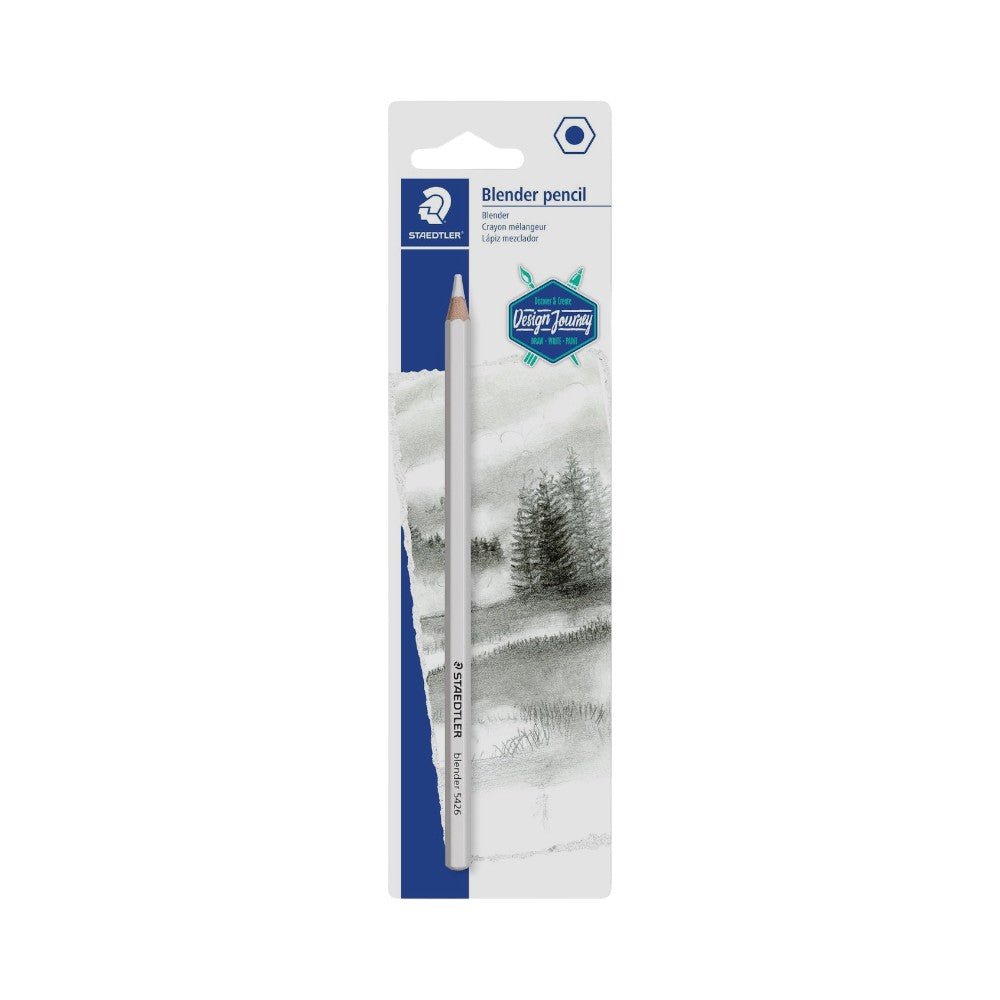

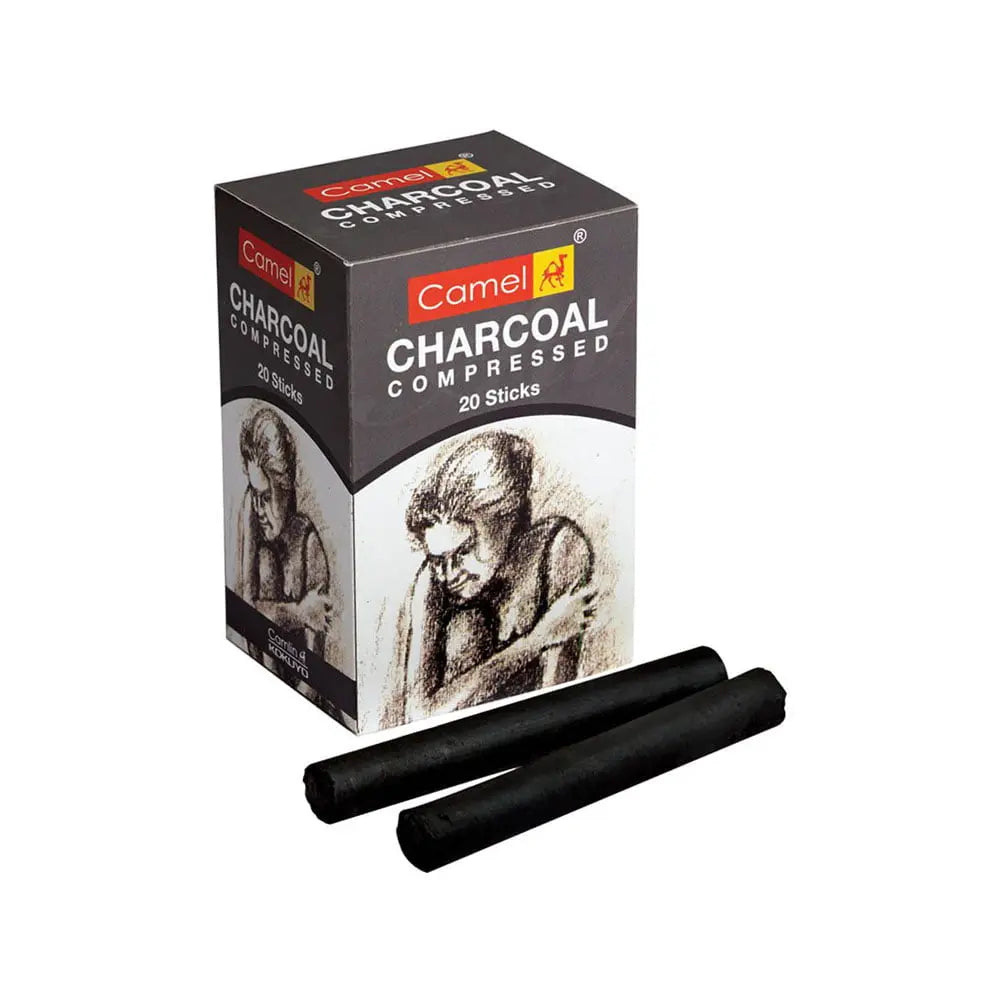

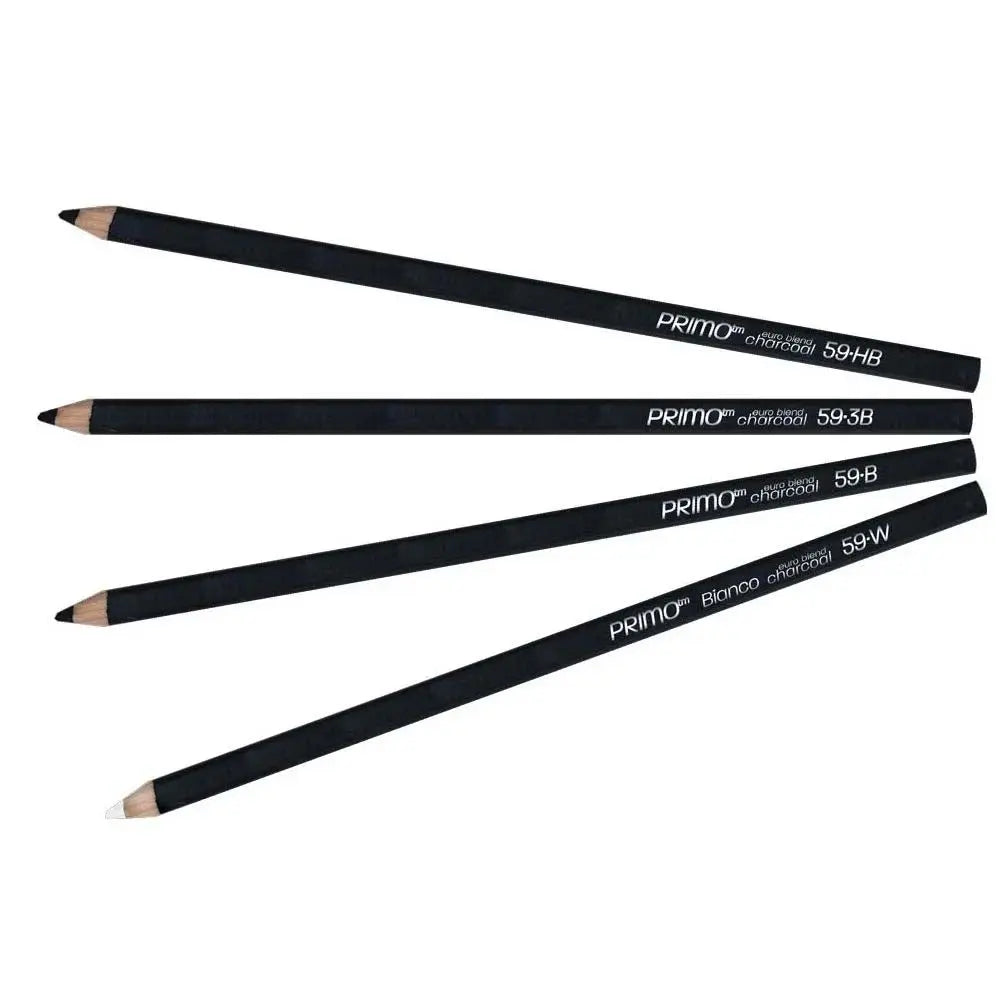
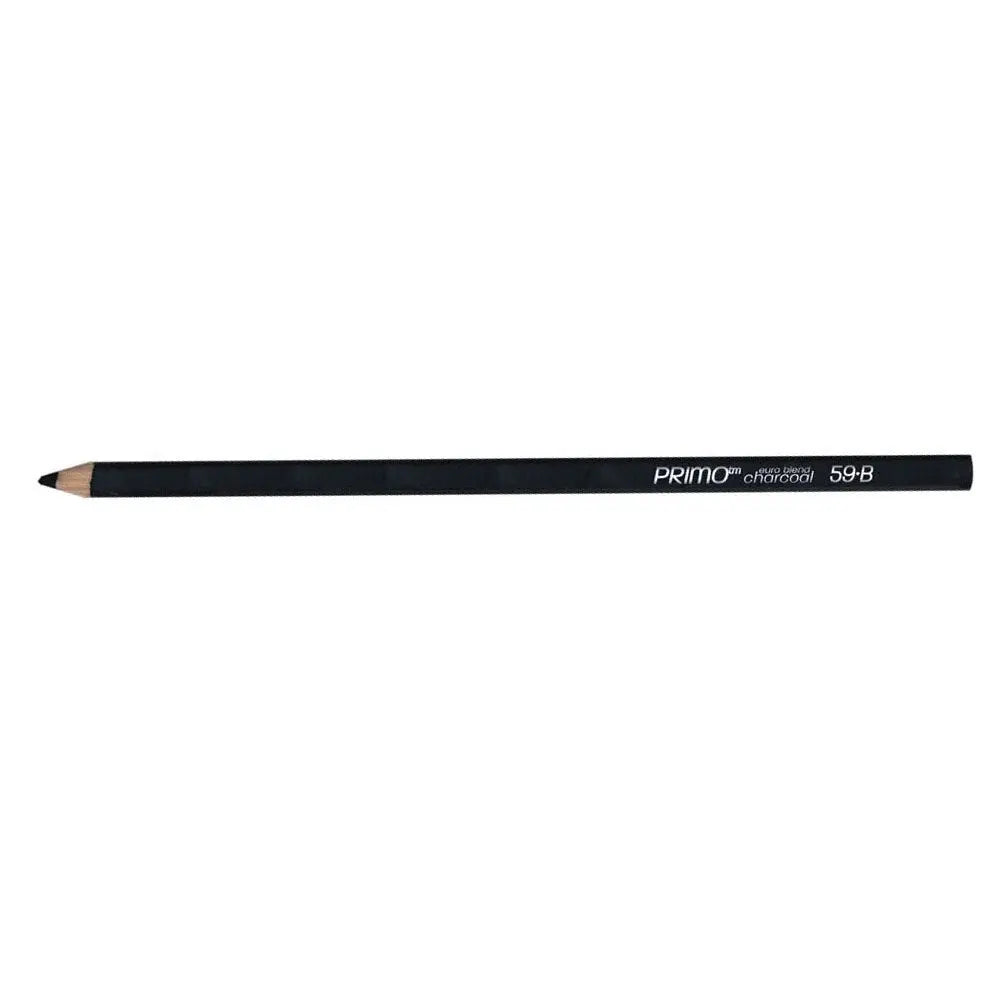
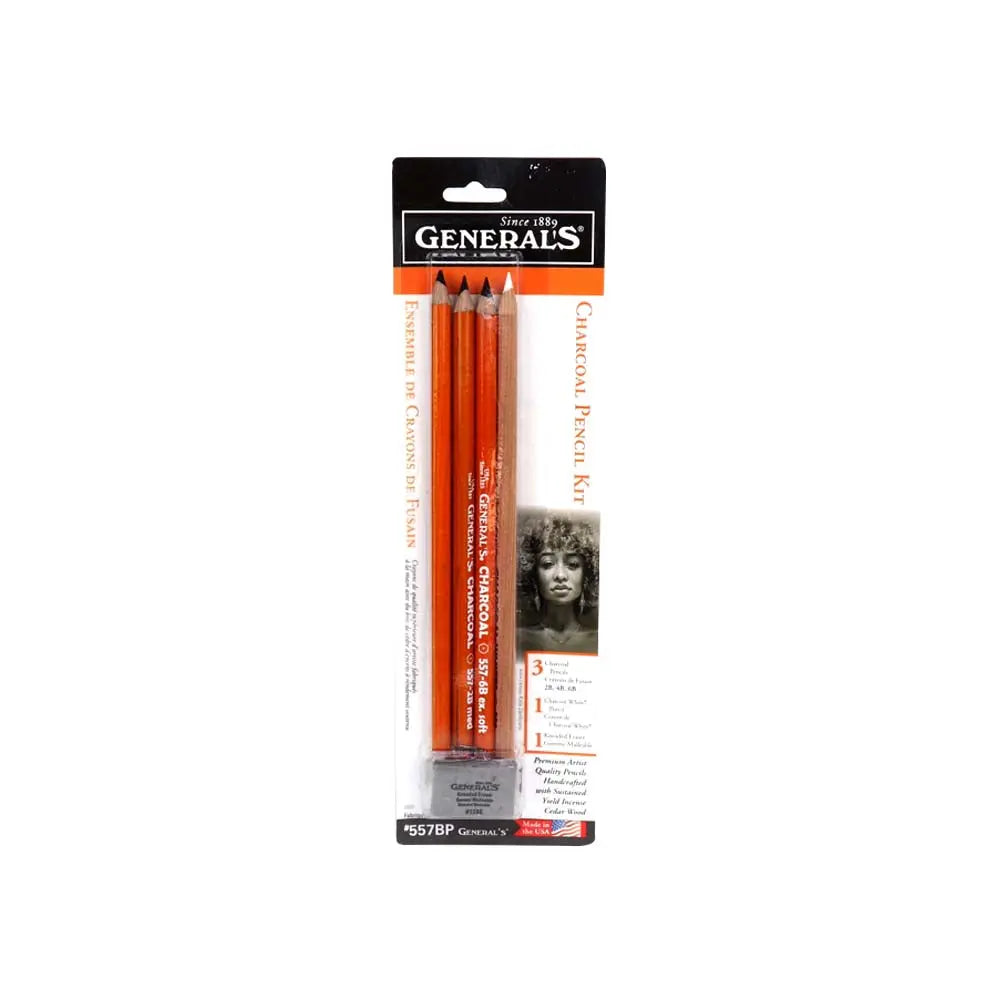
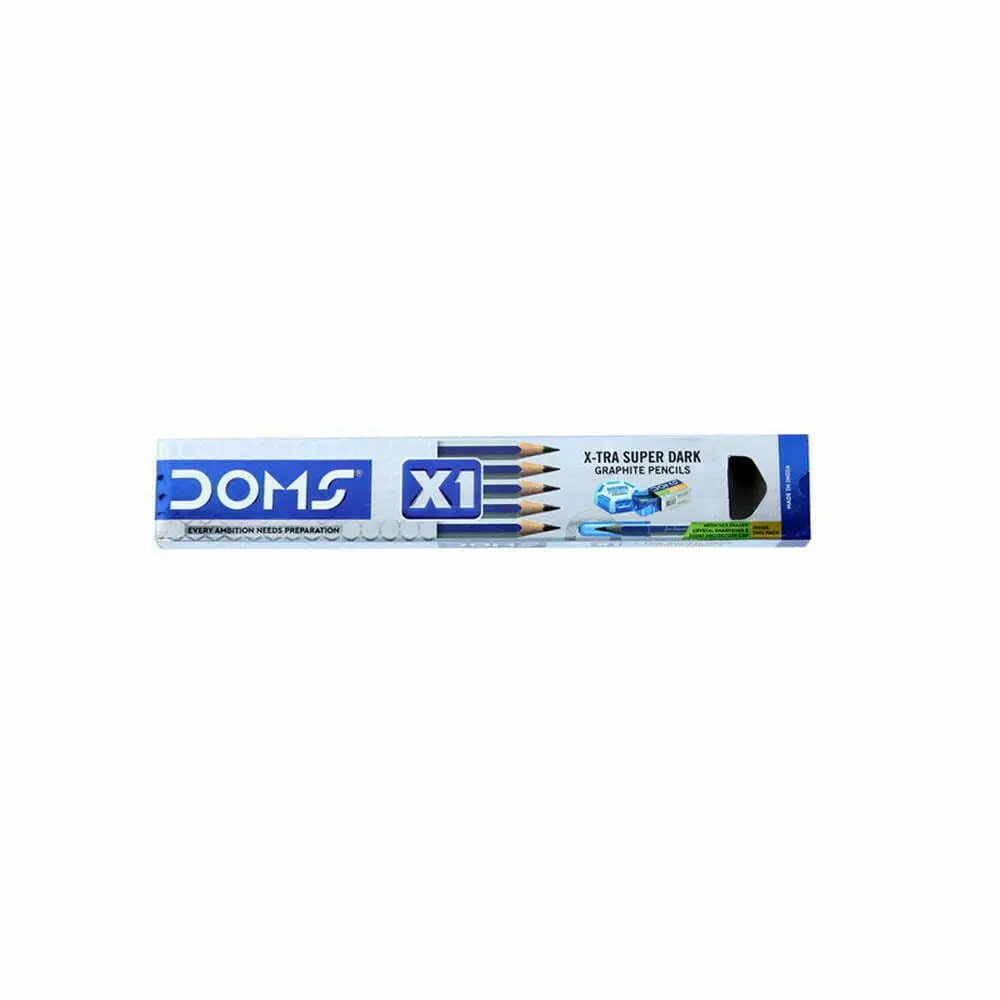

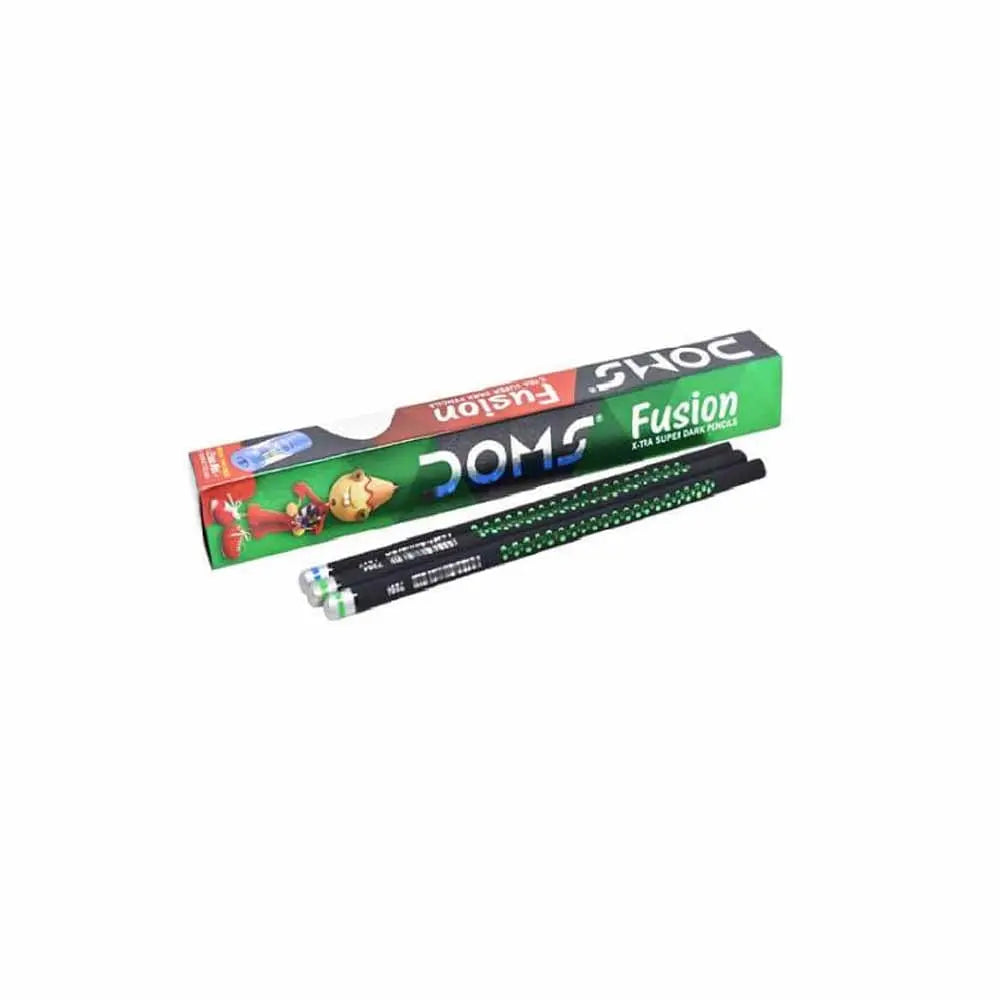

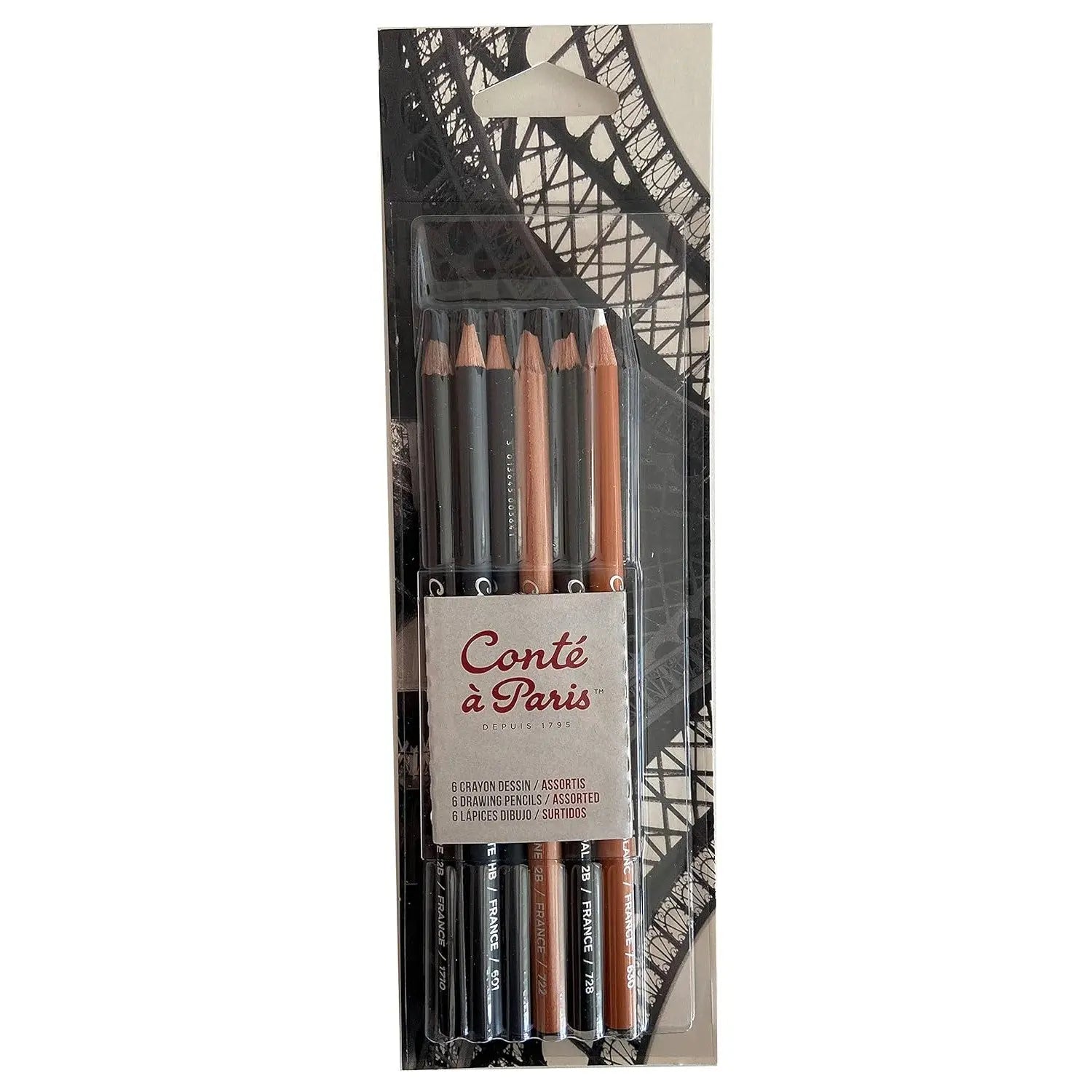

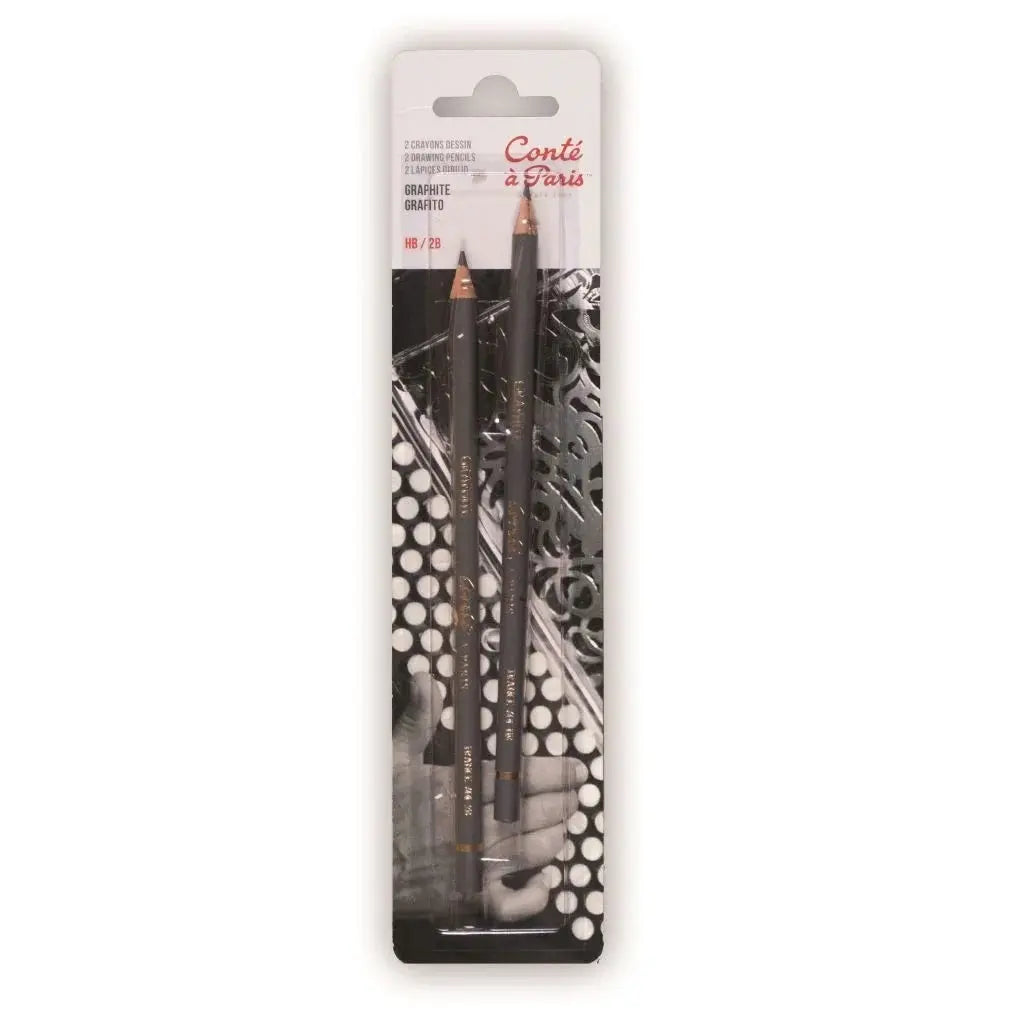

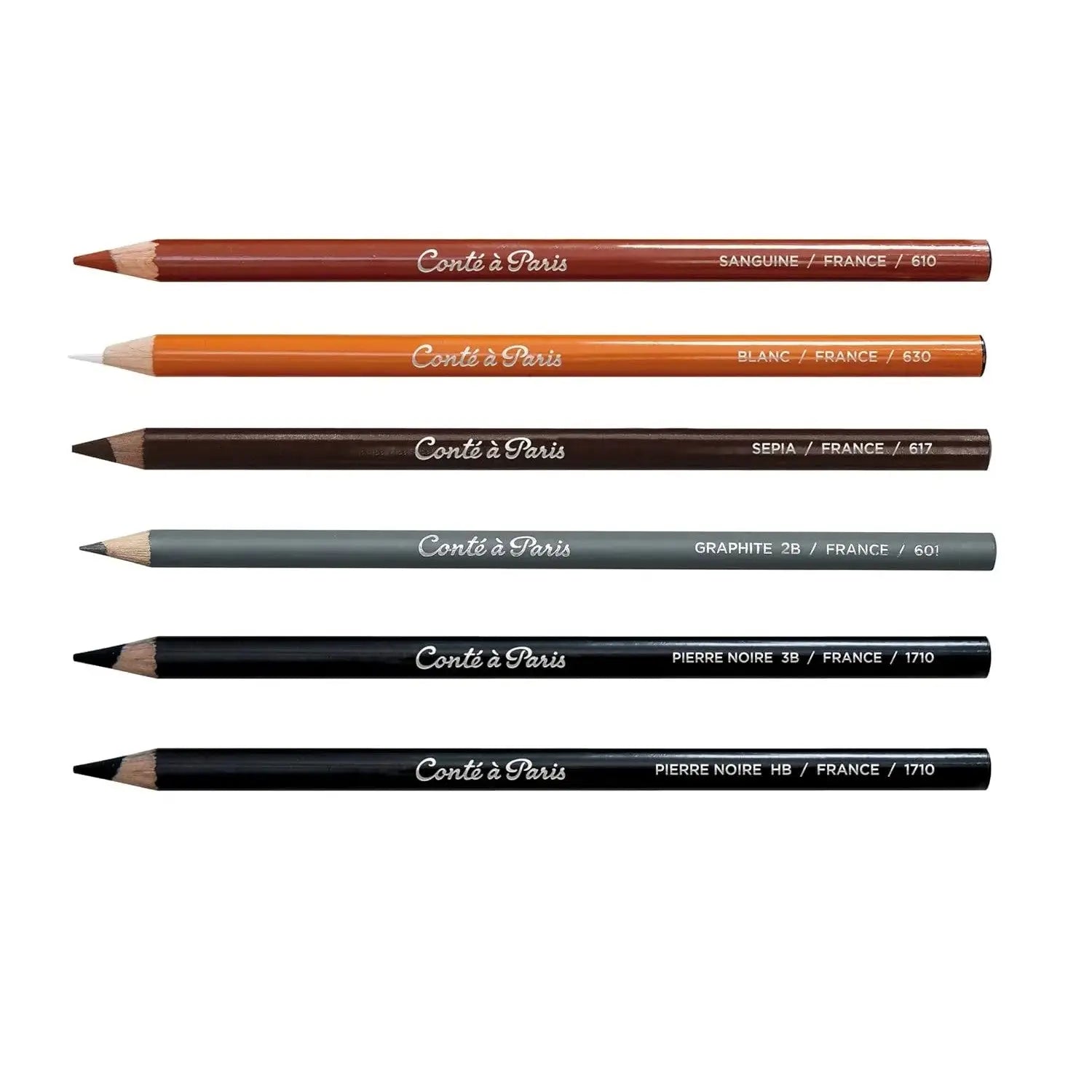
Charcoal and graphite pencils sit at the heart of drawing and sketching, whether you are learning the basics or refining advanced techniques. These pencils are more than simple writing tools; they are expressive instruments that help translate ideas, observations, and imagination onto paper. From soft shading and bold contrasts to fine outlines and controlled detailing, charcoal and graphite pencils support a wide range of artistic needs.
At Canvazo, this collection of charcoal and graphite pencils is curated for artists, students, hobbyists, and professionals who value consistency, control, and creative freedom in their work.
What Makes Charcoal and Graphite Pencils Essential for Artists
Both charcoal and graphite pencils are widely used as sketch pencils because they offer versatility across different drawing styles. While they may look similar, the materials behave differently in practice, which is why artists often use them in combination.
Graphite pencils are known for their smooth application and predictable strokes. They are commonly chosen as a drawing pencil for technical sketches, illustrations, and detailed artwork where precision matters. Charcoal pencils, on the other hand, are favoured for expressive work. They produce deeper blacks, richer tones, and textured marks that add drama and depth to drawings.
Understanding Pencil Grades and Their Role in Sketching
One of the most important aspects of using sketching pencils is understanding pencil grades. Pencil grades indicate the hardness or softness of the core, which directly affects line quality and tonal value.
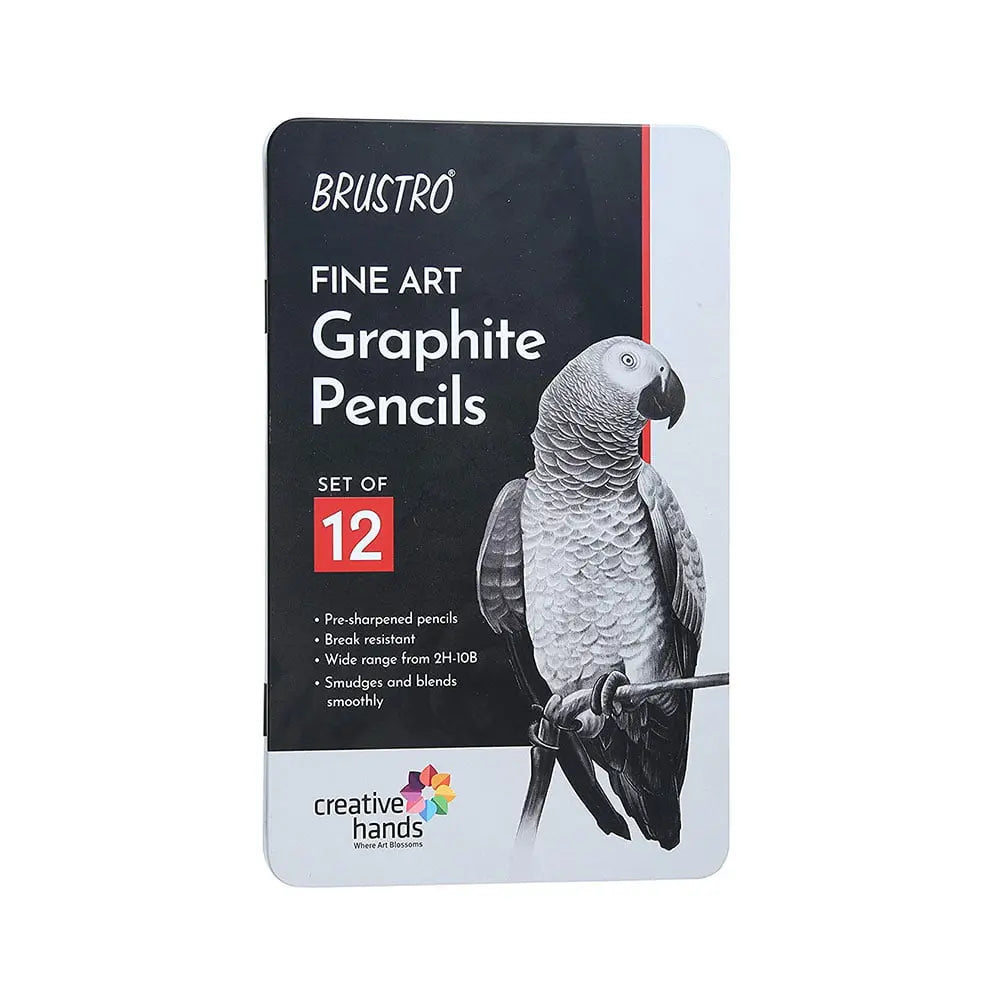
Graphite sketching pencils typically range from harder grades that produce lighter lines to softer grades that create darker, richer marks. Harder pencils are useful for light construction lines and detailed outlines, while softer pencils are better for shading and expressive strokes. This range allows artists to build drawings gradually, from the lightest sketch to the darkest shadows.
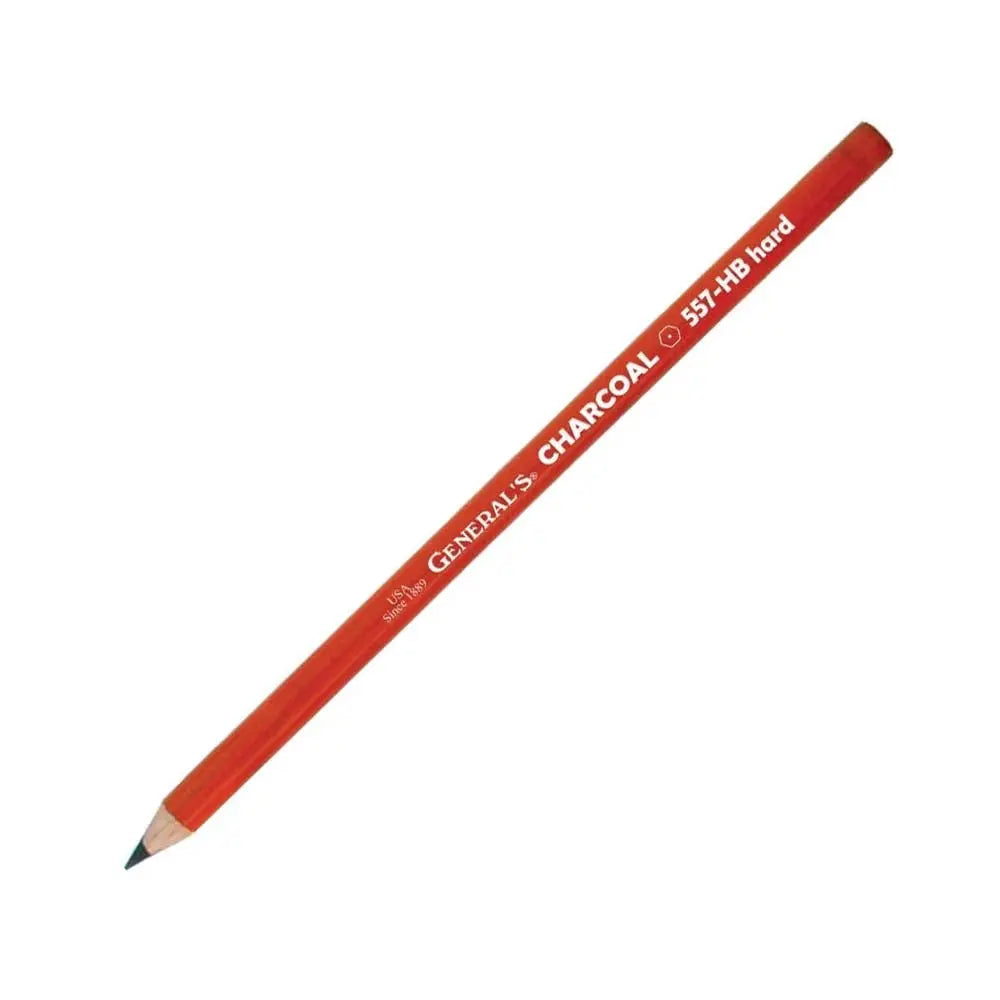
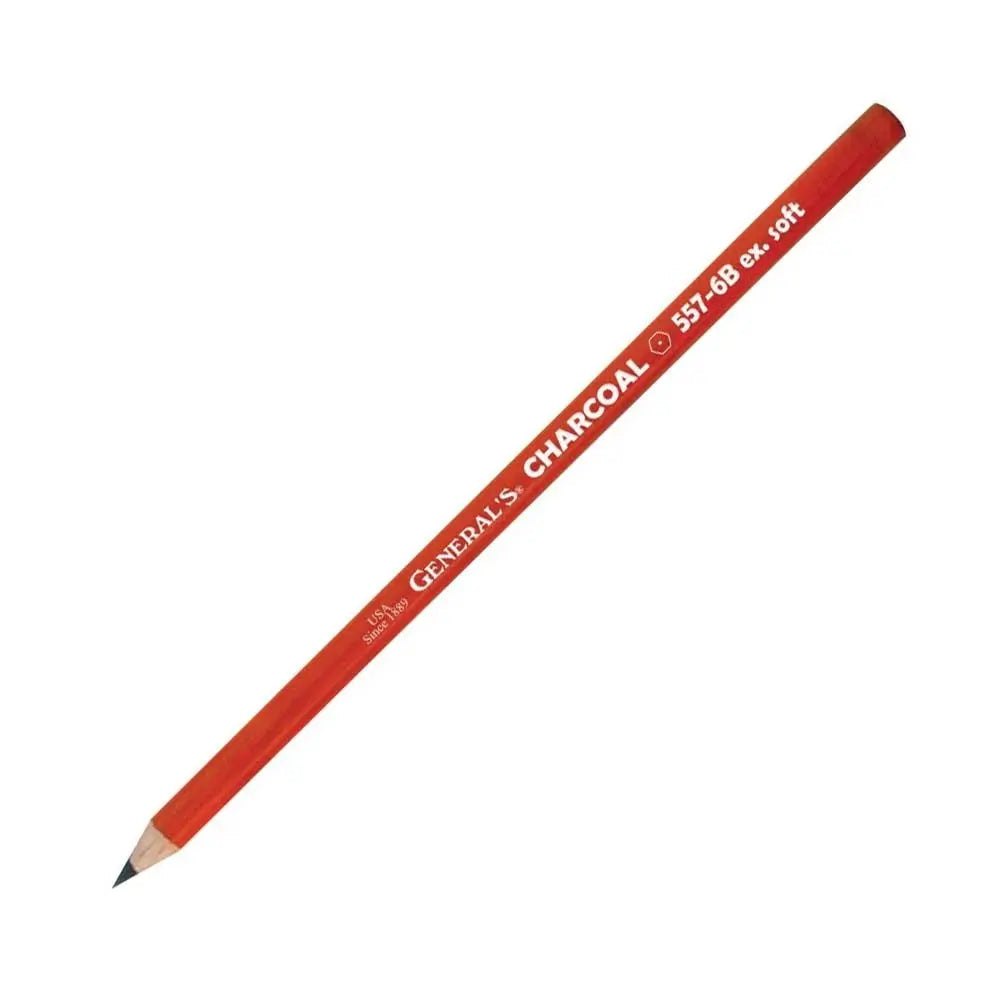
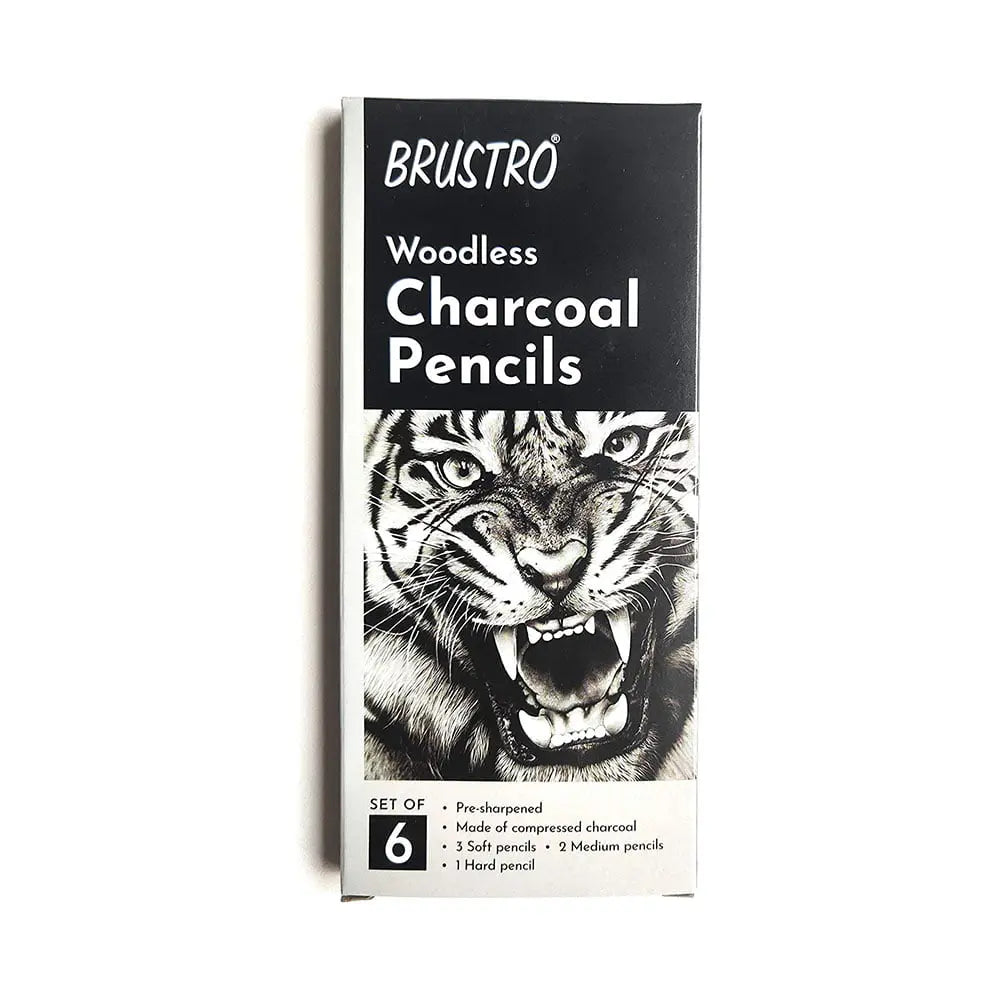
Charcoal shading pencils are often available in soft, medium, and hard variations. Softer charcoal pencils are ideal for deep shadows and large areas of tone, while harder ones allow for finer lines and controlled detailing. Choosing the right balance of grades helps artists achieve realism and depth in their work.
Charcoal Pencils for Bold Shading and Expressive Drawing
Charcoal pencils are widely used as shading pencils because of their ability to create strong contrast and dark tonal values. They are especially popular in figure drawing, portrait studies, still life compositions, and expressive sketches.
These pencils respond well to pressure changes, allowing artists to switch between thin lines and bold strokes within the same drawing. Charcoal is also easy to blend and smudge, making it ideal for creating smooth transitions between light and shadow. This quality makes charcoal pencils suitable for larger compositions where tonal variation plays a key role.
For artists who enjoy loose, energetic sketching or dramatic visual impact, charcoal pencils are an essential part of any drawing toolkit.
Graphite Pencils for Precision and Control
Graphite pencils are often the first choice for artists who prefer accuracy and clean line work. As a reliable drawing pencil, graphite performs well on smooth surfaces and allows for controlled layering of tones.
Graphite sketching pencils are commonly used for architectural sketches, product drawings, illustrations, and academic studies. They erase more cleanly than charcoal, making them suitable for beginners as well as professionals who need flexibility while working.
Because graphite offers a wide tonal range, artists can create subtle gradients, realistic textures, and detailed shading without overwhelming the drawing.
Finding the Best Pencil for Sketching Your Style
There is no single best pencil; the right choice depends on how and what you draw. Artists who focus on fine details and structured drawings often rely more on graphite pencils. Those who enjoy bold expressions, dynamic shading, and strong contrasts may prefer charcoal pencils.
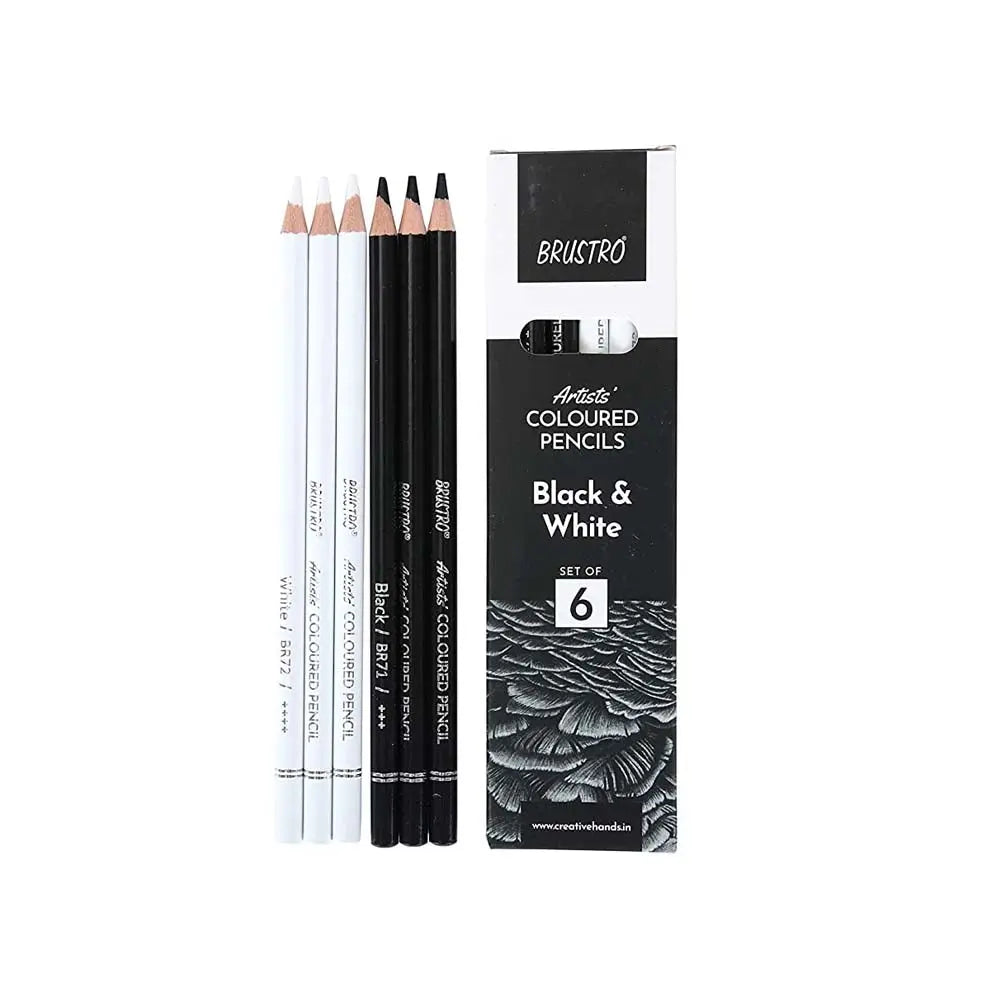
Many experienced artists combine both types in a single artwork. Graphite is used for planning, outlining, and detailing, while charcoal adds depth, mood, and emphasis. This combination allows for greater creative control and visual balance.
Understanding your drawing habits and experimenting with different pencil grades will help you discover which sketching pencils suit your style best.
Sketching Pencils Beyond Art and Illustration
While sketching pencils are most commonly associated with art, their use extends beyond creative drawing. These pencils are frequently used for note-making, diagram work, and visual planning. Different grades allow users to organise information visually by highlighting headings, adding emphasis, or separating sections through tonal contrast.
Sketching pencils are also used in professions that require speed, clarity, and precision. Their ability to produce both light and dark marks makes them suitable for writing, marking, and quick visual recording.
This versatility is one of the reasons charcoal and graphite pencils remain widely used across creative and practical fields alike.
Choosing the Right Sketching Pencils for Your Needs
When selecting sketching pencils, it’s important to consider your experience level and purpose. Beginners often benefit from a balanced range of graphite pencils that allow them to practise pressure control and shading techniques. Intermediate and advanced artists may look for charcoal and graphite pencils that support expressive work, tonal depth, and blending.
Paper texture also plays a role. Smooth paper works well with graphite pencils, while slightly textured surfaces enhance the performance of charcoal shading pencils. Matching the pencil to the surface helps improve results and reduces frustration during the drawing process.
At Canvazo, this collection is designed to support different artistic journeys, whether you are exploring sketching for the first time or refining professional-level techniques.
Why Quality Matters in Drawing and Shading Pencils
The quality of a sketch pencil directly affects the drawing experience. Consistent cores, smooth application, and reliable tonal output allow artists to focus on creativity rather than tool limitations. Good sketching pencils respond predictably to pressure, making it easier to achieve the desired results.
Charcoal and graphite pencils that perform well also reduce breakage and uneven marks, helping artists maintain flow while working. Investing in the right pencils improves not only the final artwork but also confidence and enjoyment during the creative process.
Explore Charcoal & Graphite Pencils at Canvazo
Whether you are sketching ideas, building detailed drawings, or creating expressive artwork, charcoal and graphite pencils provide the foundation for strong visual expression. This collection brings together sketching pencils designed to support shading, detailing, and creative exploration across skill levels.
Explore the Charcoal & Graphite Pencils collection at Canvazo to find pencils that help you draw with control, depth, and confidence, one line at a time.
FAQs
-
Which pencil is best for drawing and sketching?
The best pencil for drawing and sketching depends on the level of detail and control you need. Graphite pencils are commonly preferred for drawing because they offer smooth lines, precise detailing, and easy correction. Softer graphite pencils work well for darker tones, while harder ones are ideal for light outlines and structured sketches. Many artists use a combination of graphite grades to build depth and accuracy in their drawings.
-
Which pencil is best for shading?
Charcoal pencils are often considered the best choice for shading. They produce deep, rich tones and allow smooth blending, making them ideal for creating shadows and contrast. Softer charcoal shading pencils are especially useful for expressive drawings, portraits, and large tonal areas, while harder charcoal pencils provide better control for subtle shading.
-
What brand of pencil is best for drawing?
Rather than focusing on a single brand, it is more important to choose drawing pencils based on quality, consistency, and suitability for your drawing style. Well-made graphite and charcoal pencils with smooth application and reliable tonal range deliver better results regardless of the brand. At Canvazo, the collection is curated to help artists choose drawing pencils that meet different skill levels and creative needs.
-
What are the best art pencils?
The best art pencils are those that allow flexibility in sketching, drawing, and shading. A good art pencil set usually includes graphite pencils for precision and charcoal pencils for expressive shading. Having a mix of hardness and softness helps artists create realistic depth, fine details, and bold contrasts in their artwork.
-
Are graphite pencils suitable for beginners?
Yes, graphite sketching pencils are highly suitable for beginners. They are easy to control, erase cleanly, and allow learners to practise line work, shading, and pressure control. This makes graphite pencils an excellent starting point for anyone learning drawing or sketching techniques.
-
Can charcoal and graphite pencils be used together?
Charcoal and graphite pencils are often used together in a single artwork. Graphite pencils help with planning, outlining, and fine details, while charcoal pencils add depth, strong shadows, and expressive texture. Combining both allows artists to achieve balanced and visually rich drawings.
-
What should I consider when choosing sketching pencils?
When choosing sketching pencils, consider your drawing style, the type of paper you use, and whether you prefer detailed work or expressive shading. Beginners may benefit from a basic range of graphite pencils, while experienced artists often choose both charcoal and graphite pencils to expand their creative possibilities.