
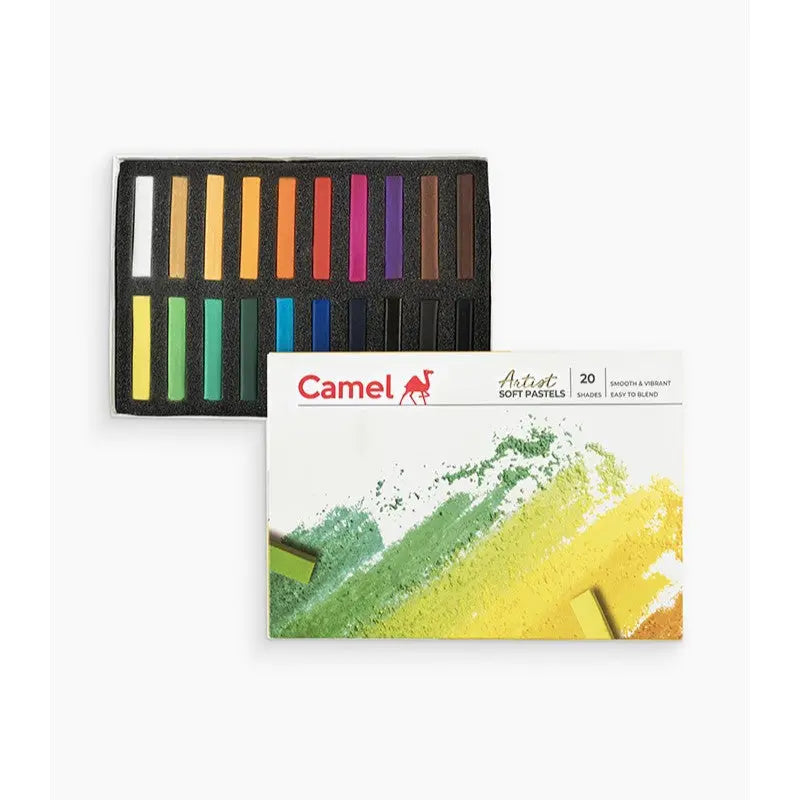

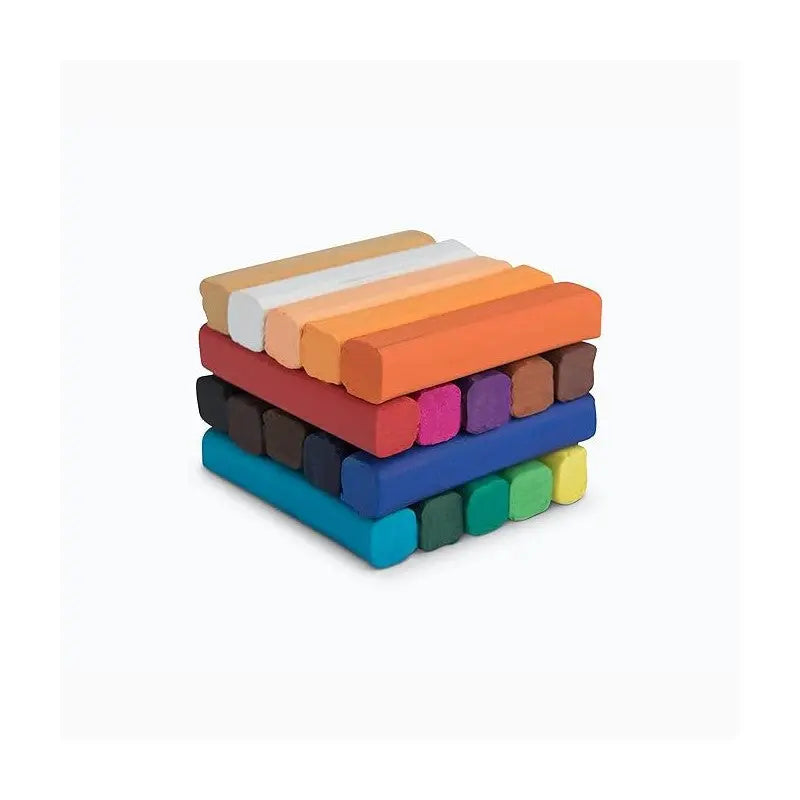

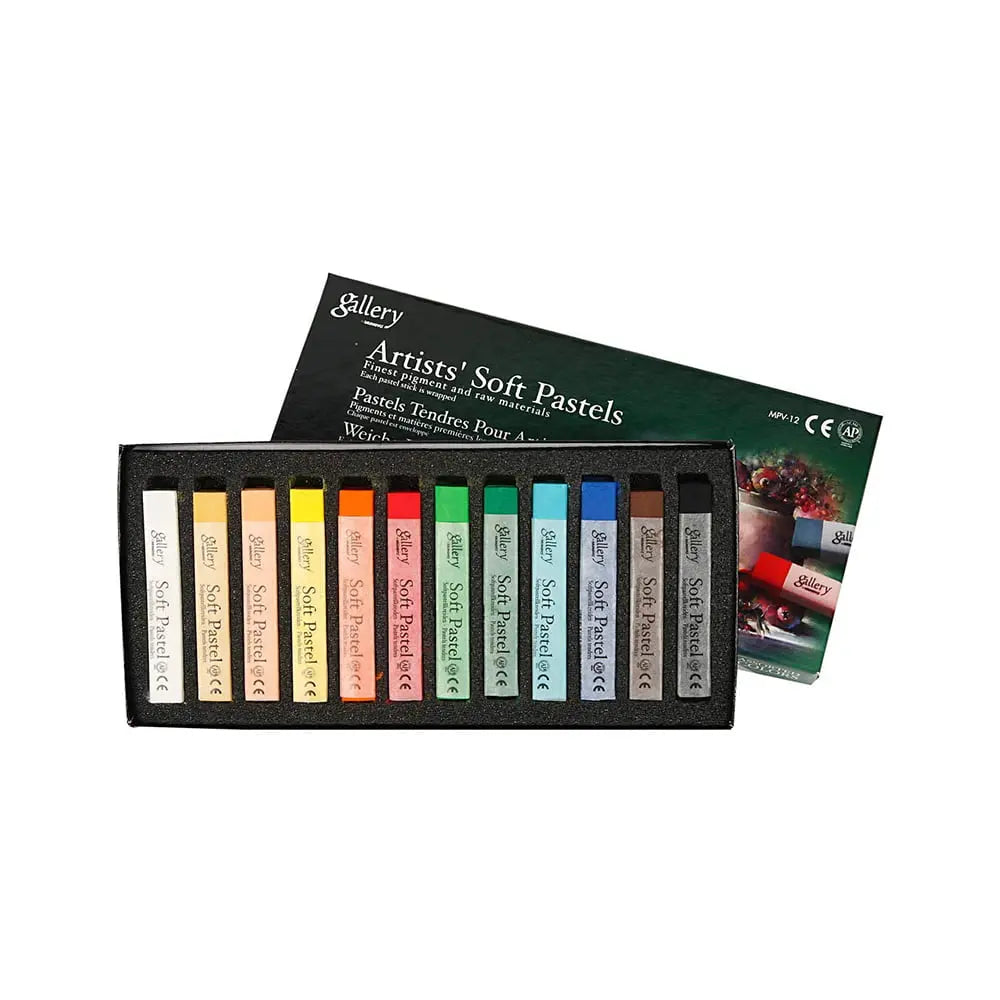
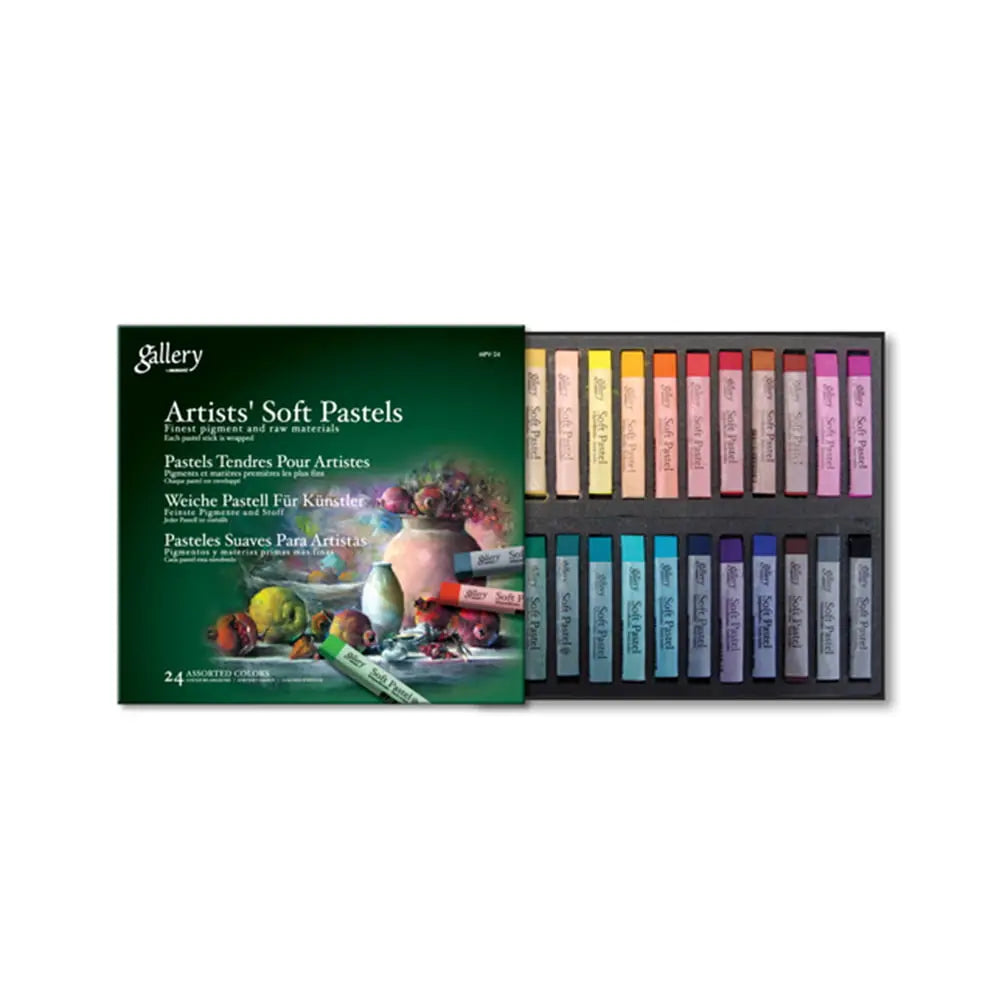
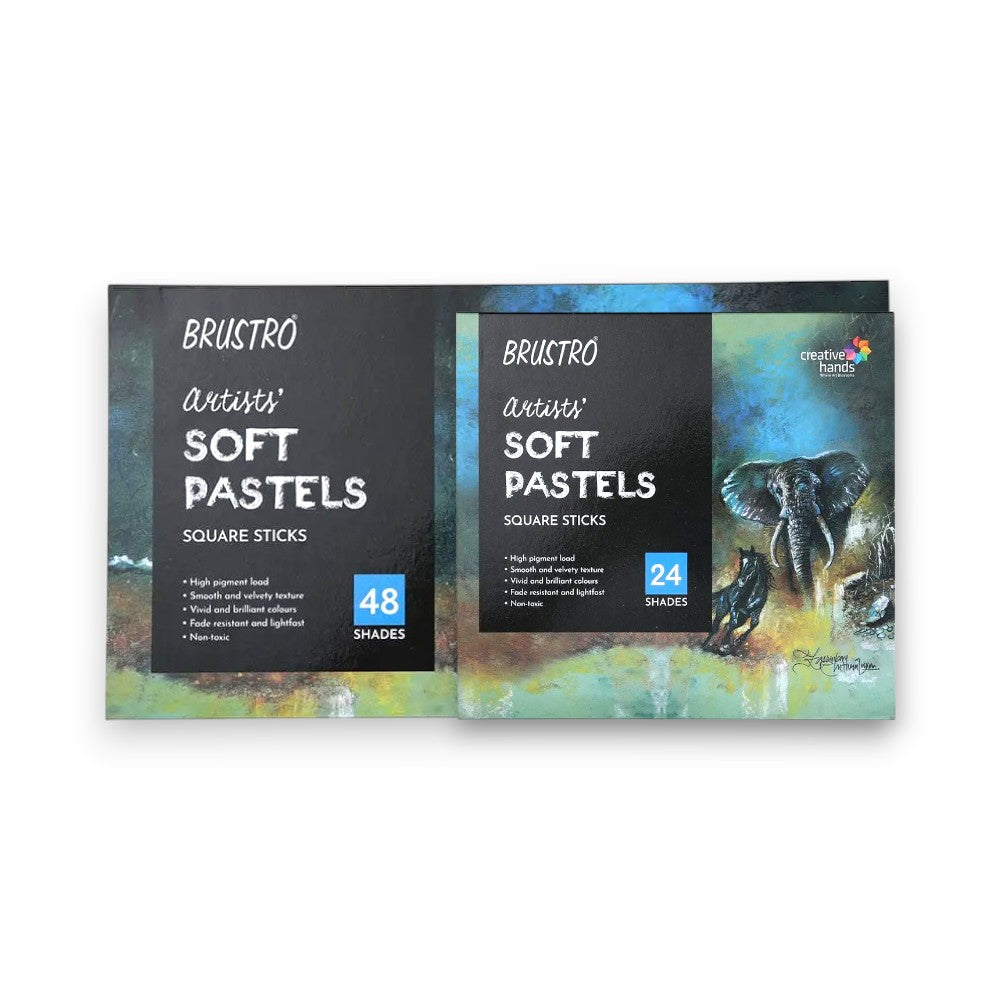


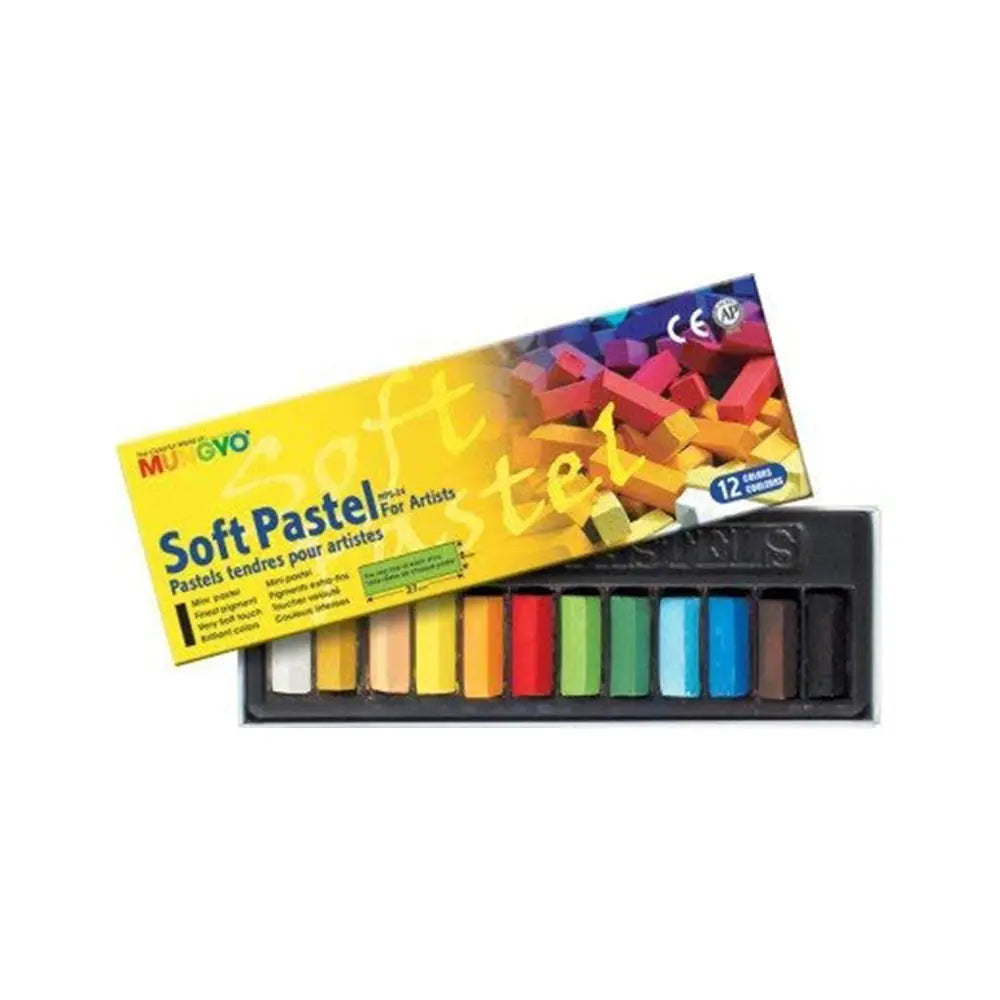
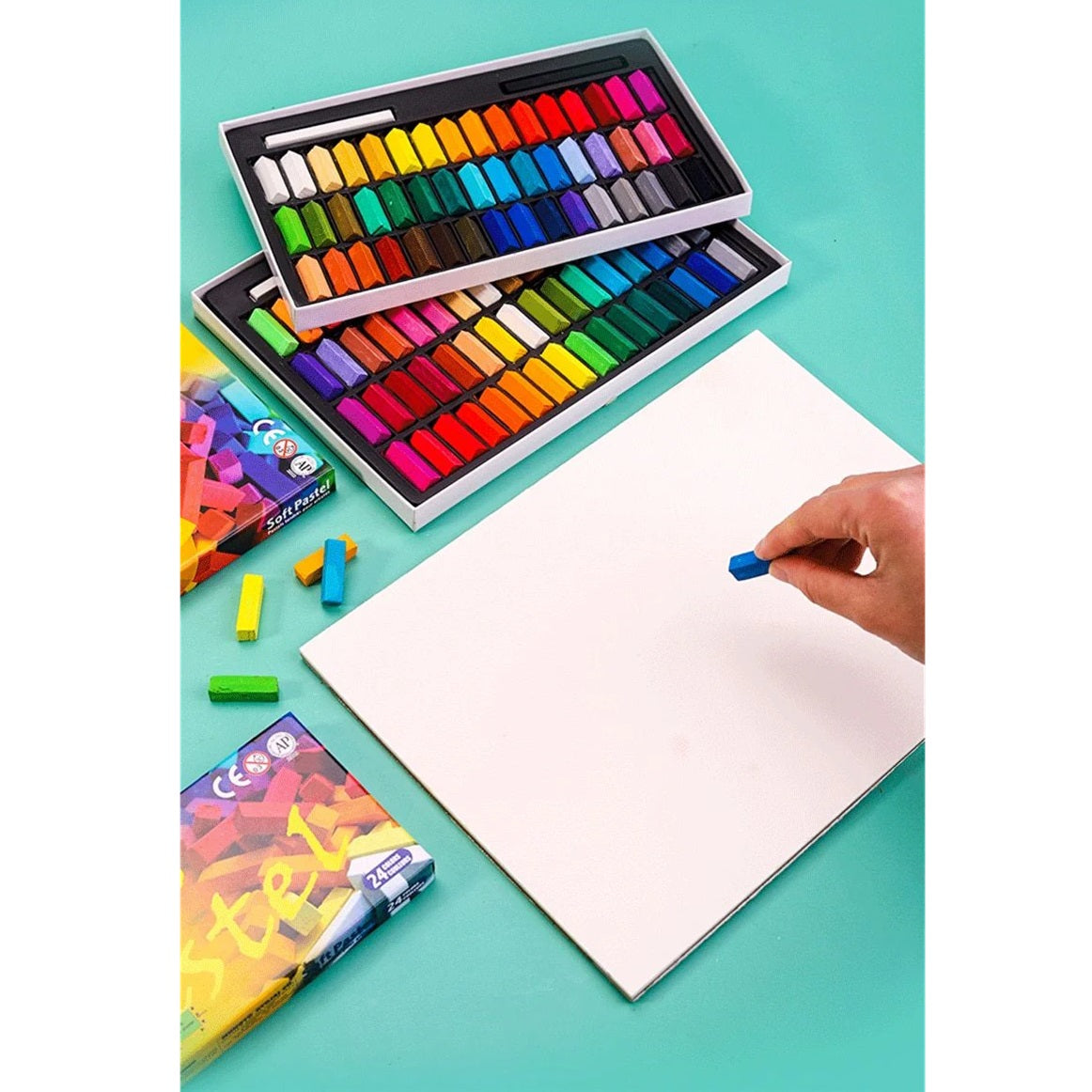

When people first step into the world of pastels, everything can feel confusing. Soft pastels, oil pastels, hard pastels — they all sound similar, yet they behave very differently. Many beginners assume they’re interchangeable, but once you start using them, the differences become impossible to ignore.
Among all these options, Soft Pastels stand out in a very quiet but powerful way. Pastels do not attempt to imitate the appearance of paint, crayons, or pencils; instead, pastels provide an authentic experience that is expressive, unrefined, and very individual.
So what actually makes Soft Pastels different from other pastel types? The answer lies in how they feel, how they behave, and how they connect you to colour.
Soft Pastels Are All About Pure Pigment
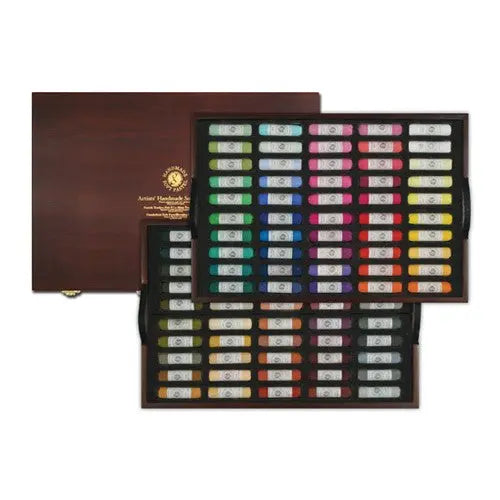
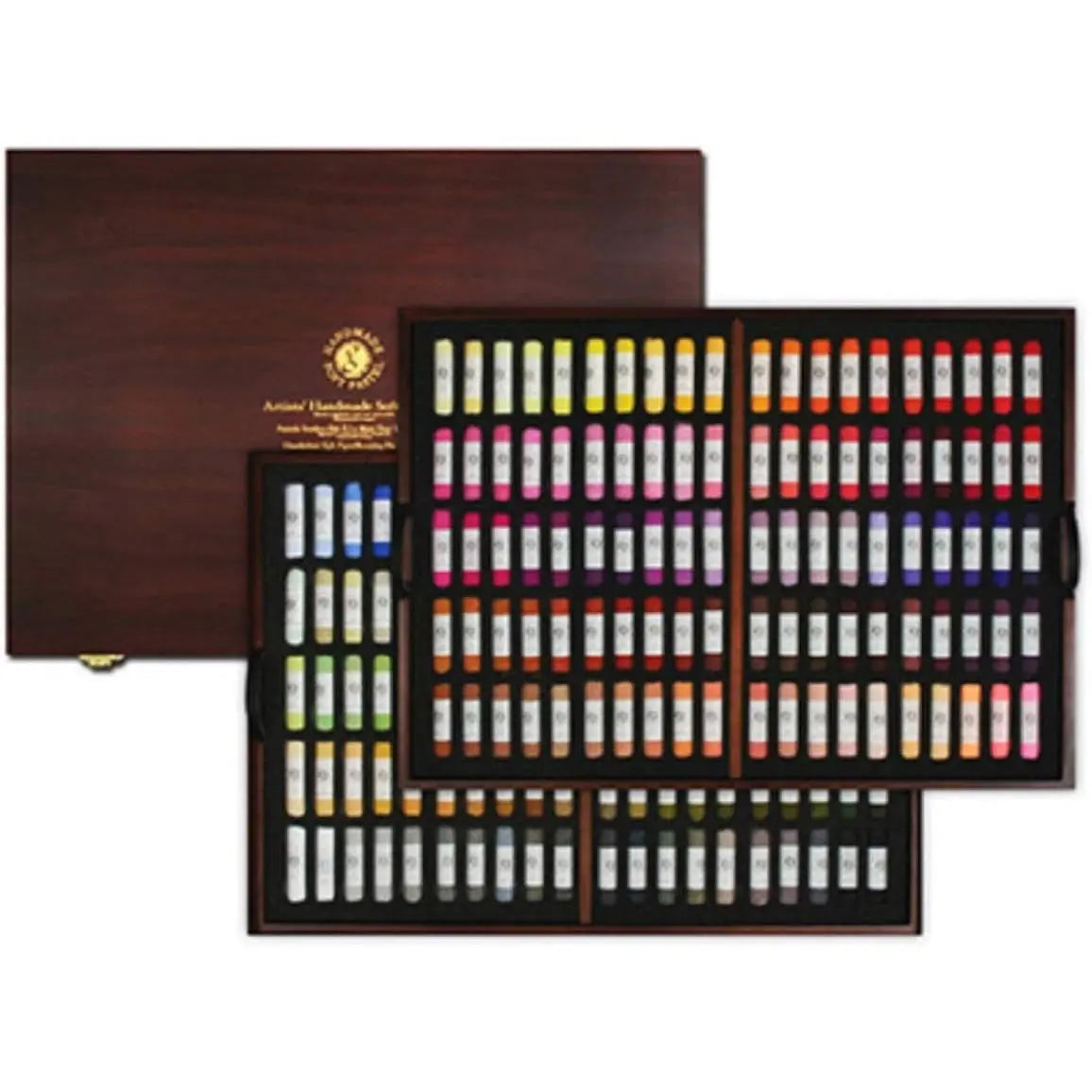
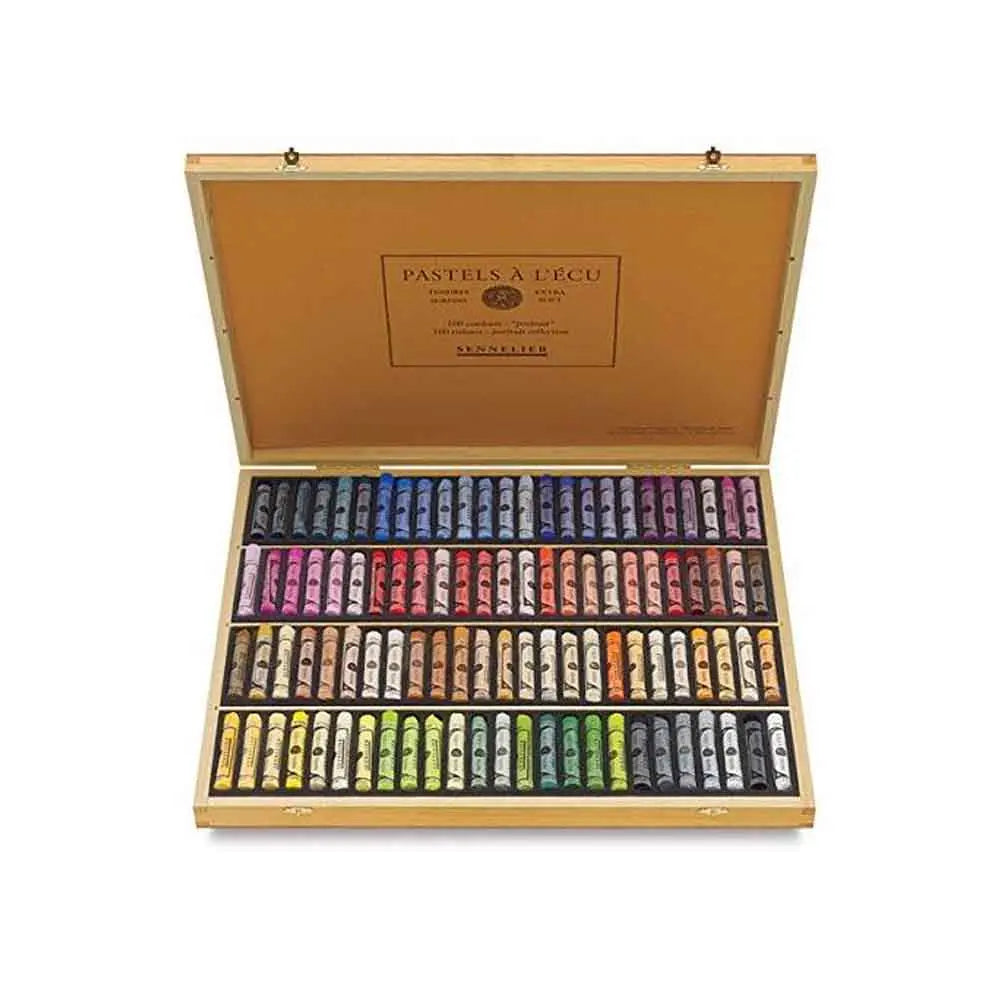
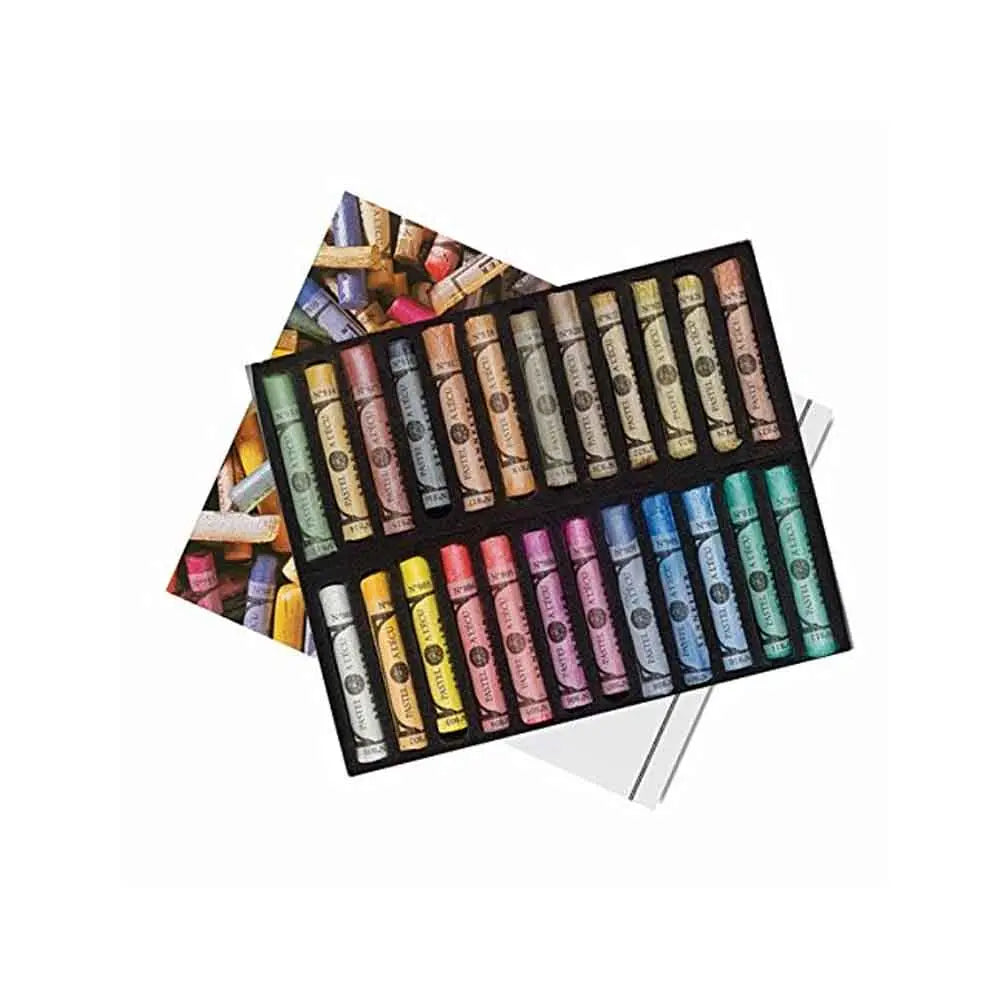
The biggest difference starts with what Soft Pastels are made of. They contain a very high amount of pure pigment and very little binder. This is what gives them that soft, powdery texture and intense colour payoff.
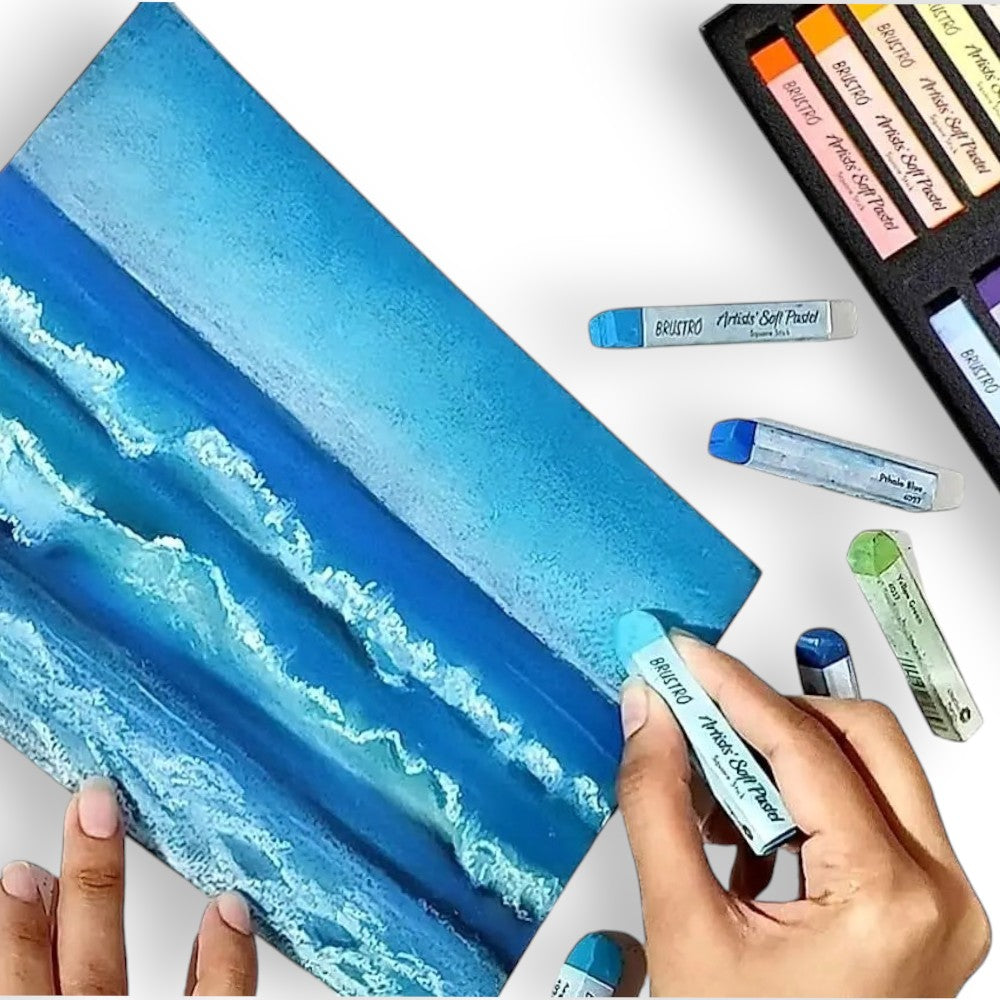
Soft Pastel drawing has an immediate effect on you because you have the pigment almost at your fingertips rather than holding it as a solid stick. This accounts for why the colours have such vibrance and life on the page. A light touch can already create visible marks, and layering colours feels effortless.
Other pastel types, especially oil pastels, contain oils or waxes that bind the pigment together. That changes how colour behaves. The texture of Soft pastels is one of the first things that artists will observe when they use the product. Because of this unique texture of Soft Pastels, the color can sit lightly on top of the surface, allowing light to pass through as the artist has created an image.
The Texture Is Completely Different
They’re fragile, dusty, and incredibly soft. This can feel intimidating at first, but it’s also what gives them their charm.
Soft Pastels blend almost instantly. You can use your fingers, tissues, or blending tools, and the colours melt into each other with minimal effort. This makes them ideal for creating smooth skies, soft skin tones, and subtle transitions.
In contrast, when artists talk about oil pastel colour, they’re usually describing something richer and heavier. Oil pastels feel creamy and dense. They glide smoothly but don’t have the same powdery softness. Blending works differently, and the finish feels more solid and bold.
Both are beautiful, but the experience is completely different.
Soft Pastels Feel More Expressive and Emotional
There’s something very direct about working with Soft Pastels. Because they respond instantly to pressure and movement, they often capture emotion more naturally.
A loose stroke can feel energetic. A soft blend can feel calm or dreamy. Even small imperfections add character instead of ruining the piece.
Many artists say Soft Pastels feel closer to drawing with light rather than drawing with tools. That’s because the colours sit lightly on the surface instead of being absorbed or sealed in.
When people colour with oil pastel, the process feels more controlled and layered. With Soft Pastels, it often feels more intuitive and spontaneous.
The Way They Interact with Paper Matters
Paper choice matters for all pastels, but with Soft Pastels, it becomes especially important. Since the pigment sits on the surface, textured paper helps hold the colour in place.
The combination of pigment and paper creates an interaction that will allow you to add depth and show everything below by how many layers you put down. The use of earlier layers peeking through adds richness to the final artwork, something that is difficult to achieve with other pastels.
Oil pastels, on the other hand, often cover the paper completely. Their waxy nature seals the surface, which limits layering after a certain point.
Soft Pastels Encourage Slower, More Thoughtful Work
Because Soft Pastels are delicate, they naturally slow you down. You become more aware of pressure, movement, and colour placement.
This slower pace helps artists observe light, shadow, and subtle colour shifts more carefully. It’s one reason Soft Pastels are so popular for landscapes and portraits.
That doesn’t mean they’re difficult — they’re just more responsive. Small changes make a big difference, which can feel incredibly rewarding once you get used to them.
Less Messy Than You Think, More Flexible Than You Expect
Yes, Soft Pastels create dust. That’s often what scares beginners. But with simple habits like tapping excess pigment, using fixatives, or working upright, they become manageable.
What many people don’t expect is how flexible they are creatively. You can work loosely or add fine details. You can blend heavily or let strokes stay visible. Soft Pastels don’t force a single style.
As artists grow, they often combine Soft Pastels with other tools like fineliners or pencils. Exploring different art supplies through platforms like Canvazo India makes it easier to experiment and build a setup that suits your style, especially when you’re comparing different pastel types.
Soft Pastels vs Other Pastel Types in Simple Terms
Soft Pastels are lighter, more powdery, and more pigment-rich.
Oil pastels are creamy, bold, and more solid.
Hard pastels are firmer and better for details.
Each has its place. But Soft Pastels sit in a unique space where colour, emotion, and texture meet without feeling restricted.
Why Artists Keep Coming Back to Soft Pastels
Many artists try Soft Pastels once and never truly move away from them. Even when they explore paints or oil pastels, Soft Pastels remain part of their creative process.
They don’t replace other media — they complement them. And because they offer such direct control over colour, they often deepen an artist’s understanding of light and tone.
Having access to multiple types of creative tools, testing different types of combinations, and discovering what works for you by trial and error defines much of your experience. This is why Canvazo India's diverse range of creative options will facilitate exploration by not constraining you to a particular creative direction.
Frequently Asked Questions (FAQs)
What makes Soft Pastels different from oil pastels?
Soft Pastels are powdery and pigment-rich, while oil pastels are creamy and wax-based. They blend and layer differently.
Are Soft Pastels suitable for beginners?
Yes, especially for those interested in colour blending and expressive artwork. They’re forgiving and intuitive once you get used to them.
Do Soft Pastels need fixative?
Using fixative helps preserve finished artwork, but beginners can practice without it initially.
Can Soft Pastels be combined with oil pastels?
Yes, many artists mix mediums. Just remember that oil pastels usually go on top since they seal the surface.
Where can I explore different pastel types and art tools?
You can find a wide variety of creative supplies from multiple brands through Canvazo India, making it easier to explore what works for you.