













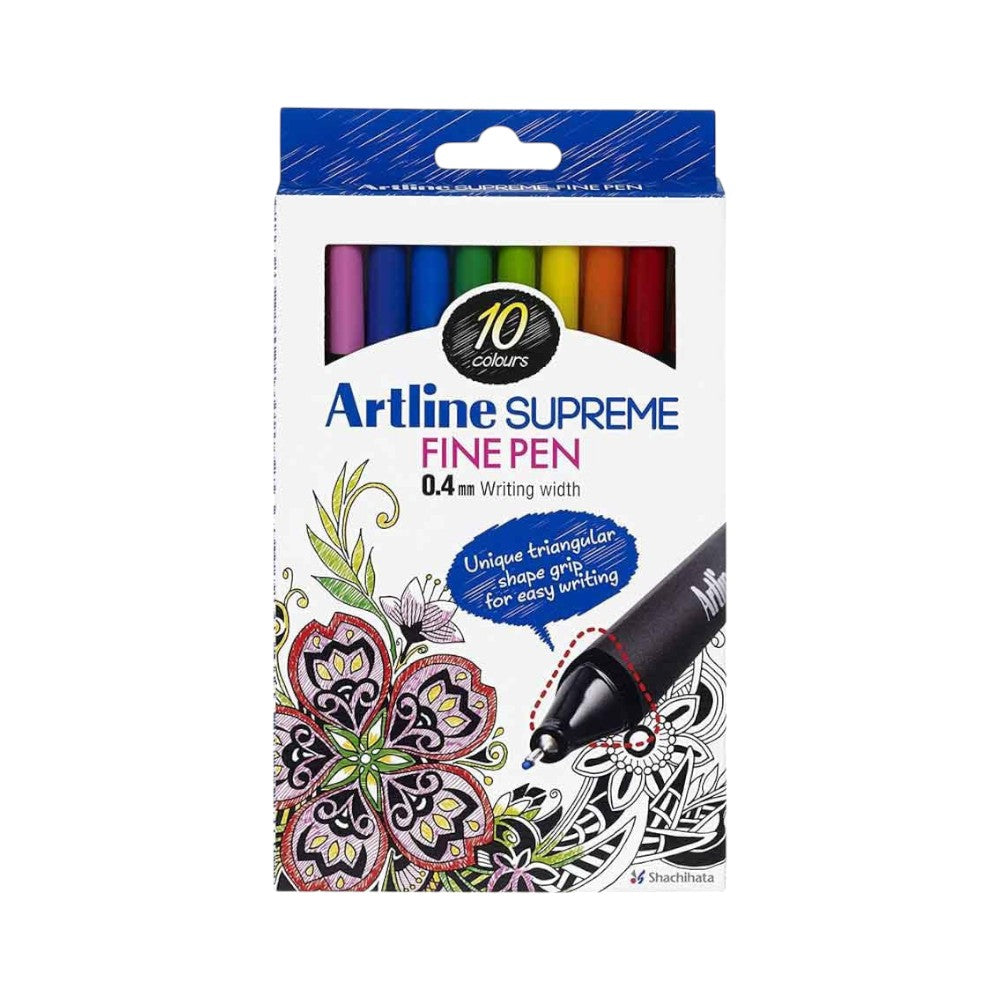

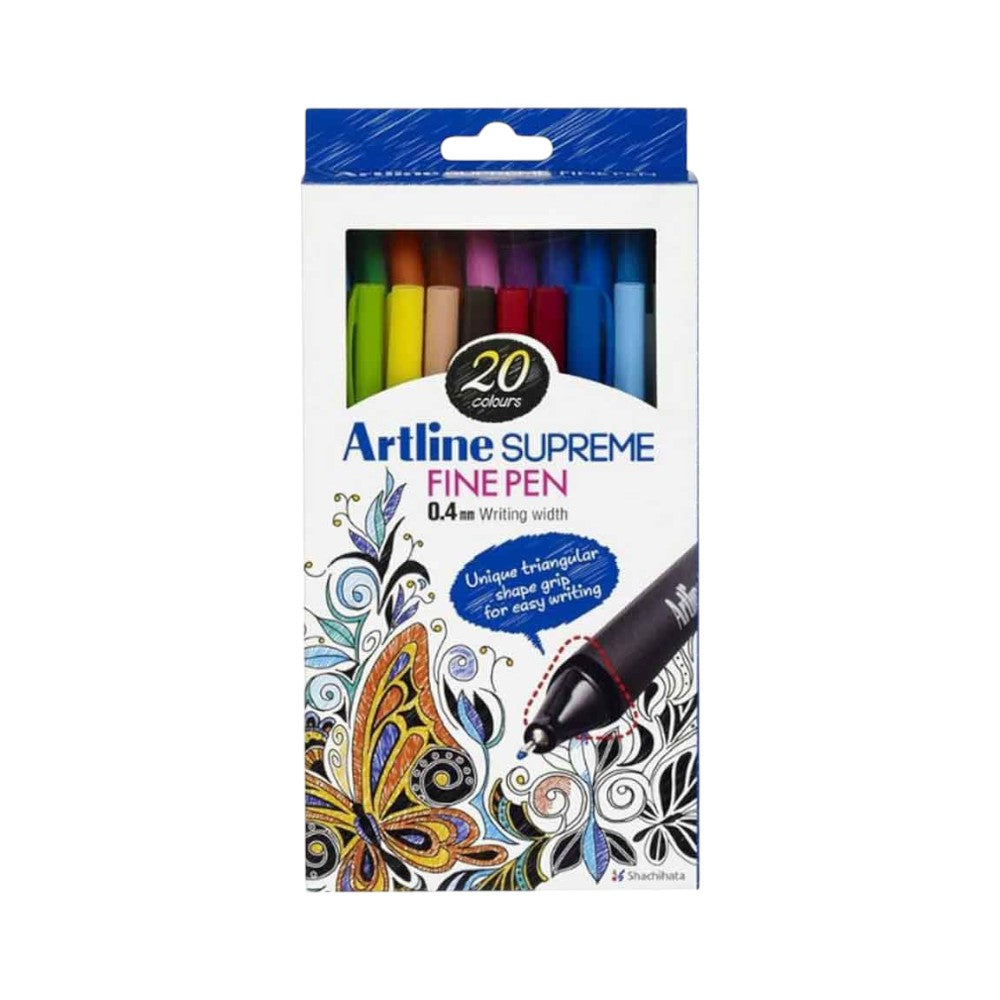

Most artists remember the moment they found that pen — the one that felt right the second it touched paper. For many, that pen turns out to be a fineliner. Not because it’s flashy or complicated, but because it quietly does exactly what you expect it to do.
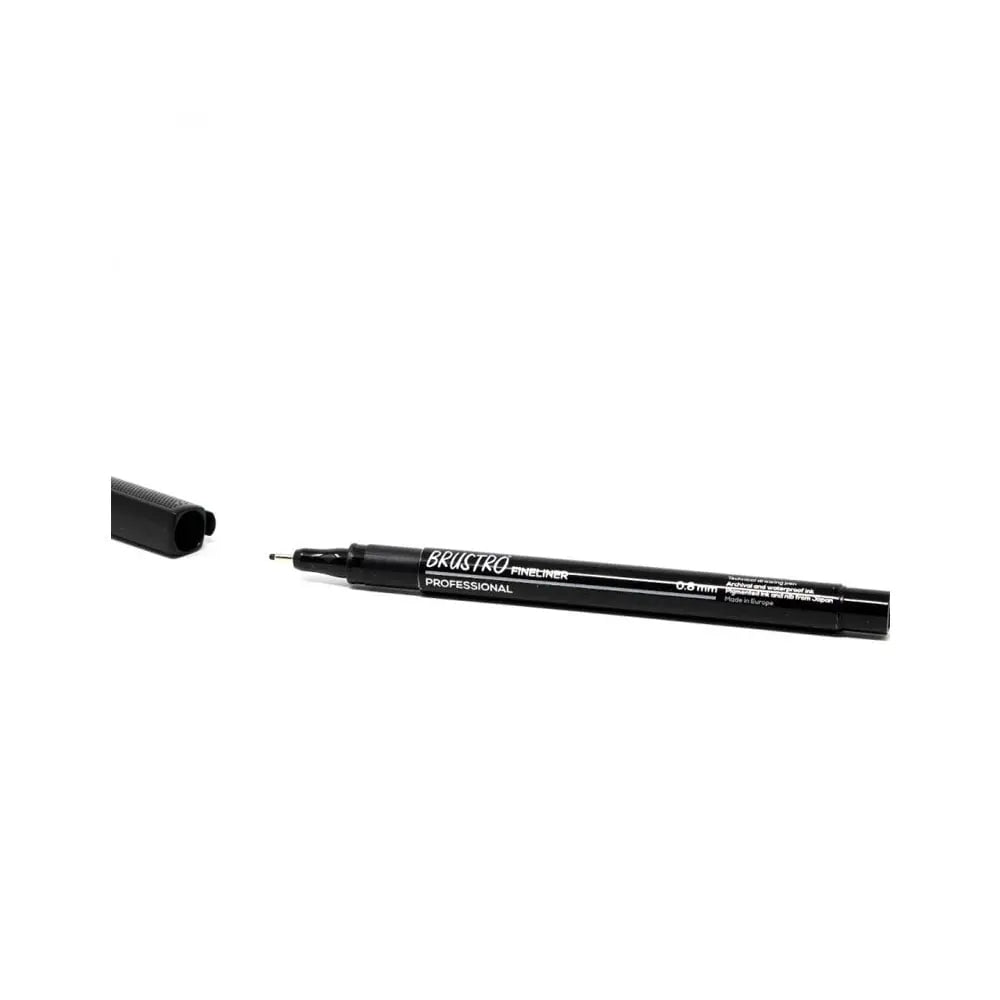
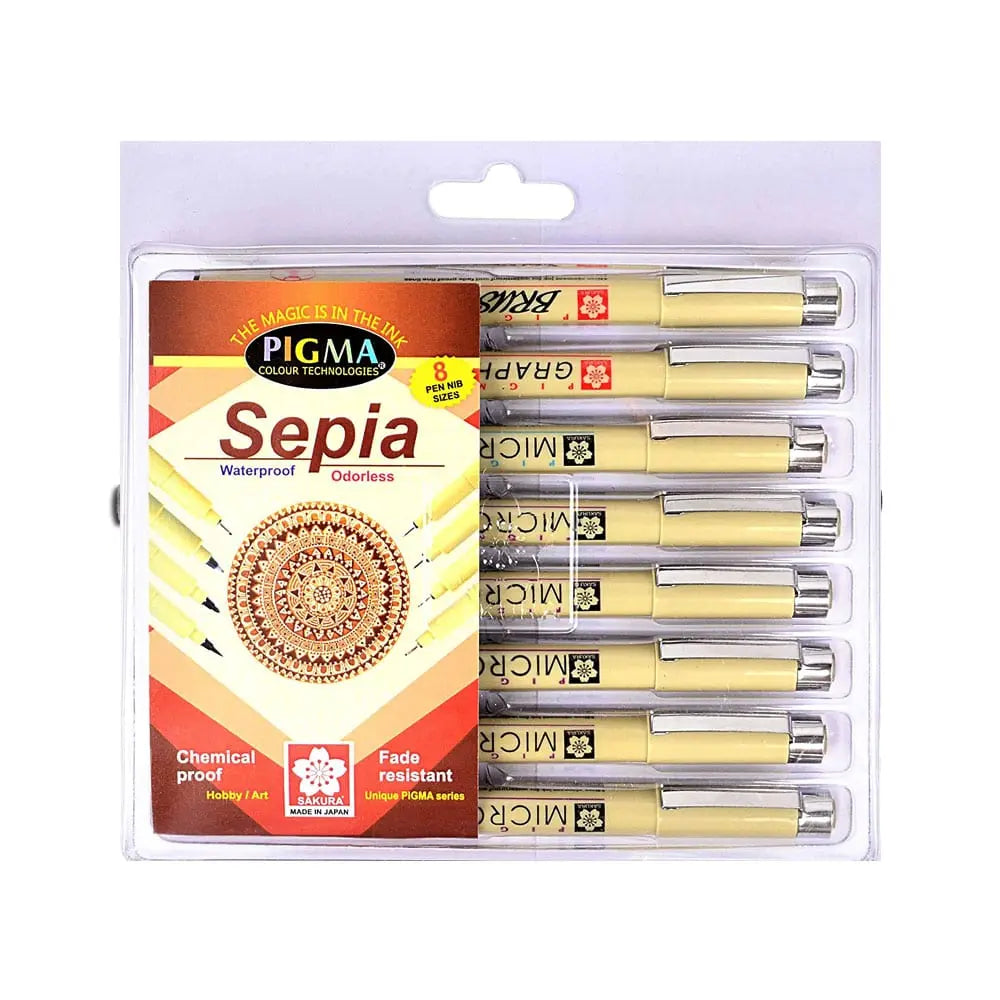
Fineliner Pens have been around for a long time, yet they continue to be a favourite among sketch artists, illustrators, and pattern designers. The reason is simple: they offer control without getting in the way of the drawing process.
The Appeal of a Clean, Honest Line
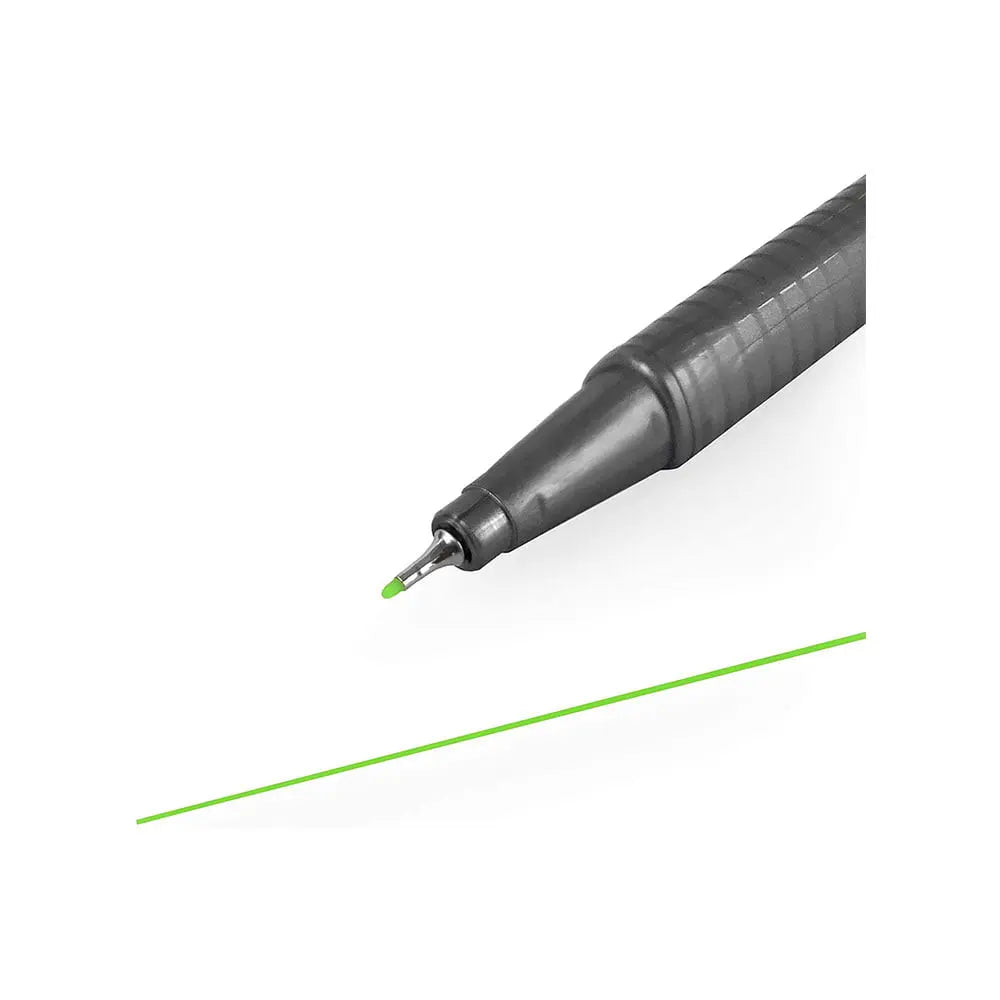
Sketching is often about decisions. Where to place a line. When to stop. What to leave unfinished. Fineliner pens support that mindset because they don’t try to do too much. They produce a consistent line that stays true from start to finish.
There’s no surprise bleed, no sudden ink dumps, and no need to press hard. That reliability makes fineliner pens especially useful when you’re sketching quickly or working directly in ink without pencil guides.
Many artists like that sense of commitment. Once the line is down, it’s down — and that pushes you to trust your instincts.
Why Illustrators Rely on Fineliner Pens
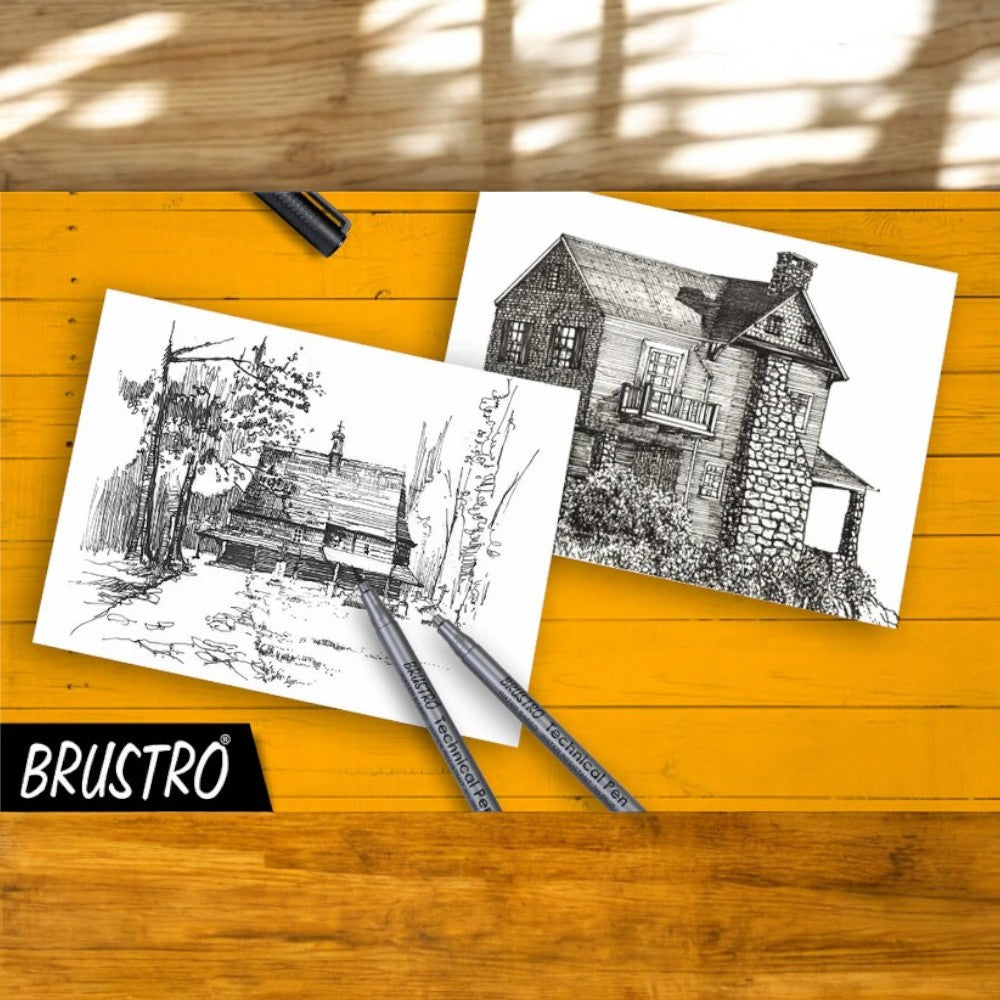
Illustration often sits somewhere between structure and freedom. You might be working on characters, architectural details, or detailed scenes where accuracy matters, but expression still needs room to breathe.
Fineliners are perfect to have that balance between precision for outlining or control and flexibility when using any form of hatching or creating textures when using a fineliner. As long as the ink of the fineliner dries quickly, you will not have to worry about smudging the perfect pieces of art you create at a fast pace, especially when the deadline is close!
Another advantage is how well fineliners pair with other media. Watercolour washes, light pencil shading, or coloured pencils all sit comfortably alongside fineliner ink without disturbing the original linework.
Fineliner Pens and Mandala Art
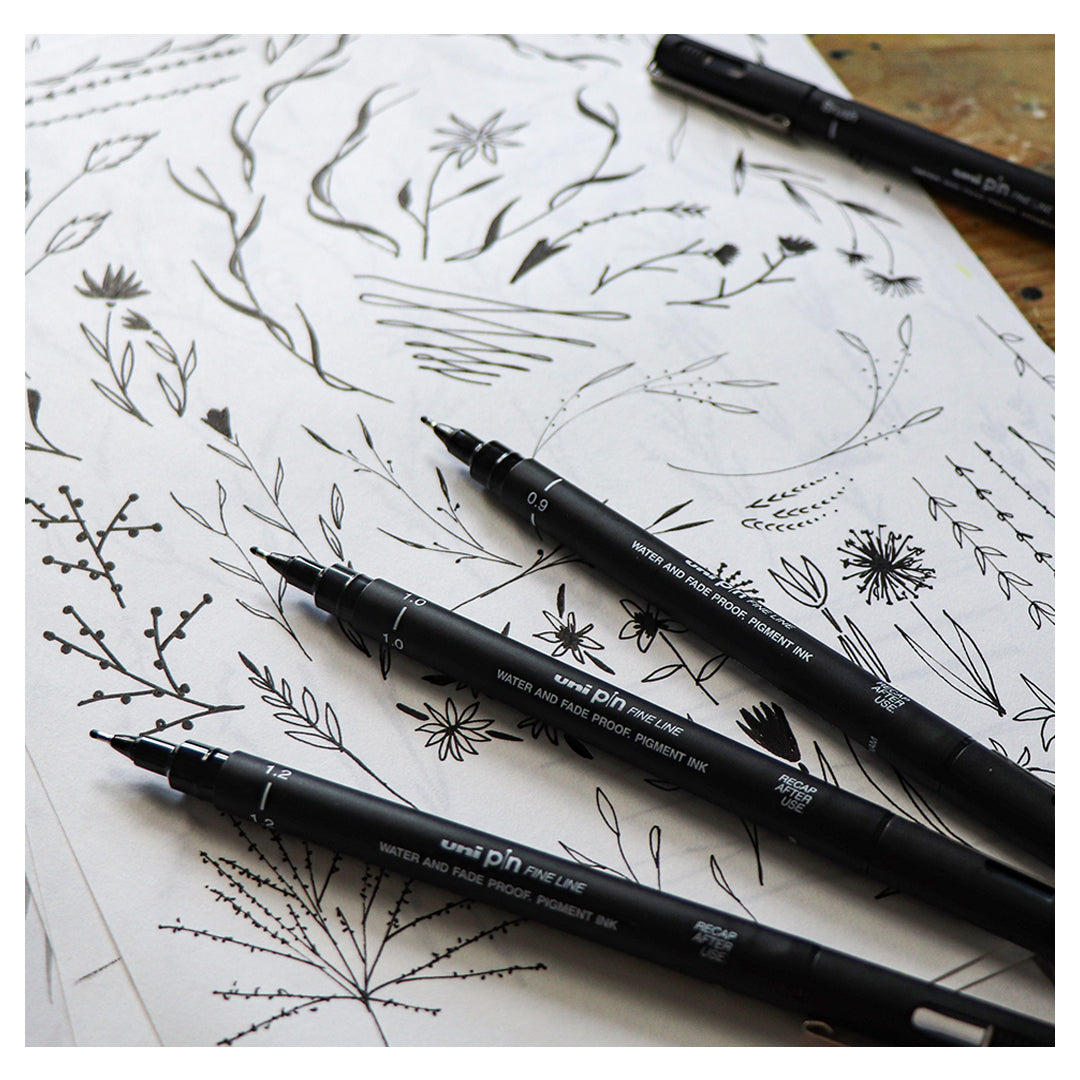
Artists who work with patterns often gravitate toward fineliners for good reason. Mandala art, in particular, demands consistency. Repeated shapes, tight spacing, and symmetrical forms leave little room for tools that behave unpredictably.
A good mandala art pen allows you to focus entirely on rhythm and flow. The line thickness stays uniform, which helps the design feel balanced rather than chaotic.
When working on detailed pieces, many artists prefer a black pen for mandala art because it grounds the composition. Strong black lines give clarity to complex patterns and make the final artwork easier to read, even from a distance.
Comfort Matters More Than People Realise
One thing artists don’t talk about enough is physical comfort. Drawing for long periods can be tiring, especially if the tool requires pressure to work properly.
Fineliner pens are generally light, balanced, and responsive. Because they don’t need heavy pressure, your hand stays relaxed. That makes a noticeable difference during long sketching sessions, urban sketch walks, or hours spent filling detailed mandala patterns.
When a tool feels comfortable, you’re more likely to keep working — and that’s often when the best ideas show up.
Not Just for Finished Artwork
Some artists use fineliner pens only for final outlines. Others use them from the very first sketch. There’s no right or wrong approach here.
Artists often use fineliners in everything from rough thumbnails to concept sketches to visual notes, making them a versatile medium. Therefore, many artists will have fineliners nearby, rather than saving them for "important" drawings.
They’re also popular for journaling, zentangle art, and visual storytelling, where clarity and rhythm matter more than dramatic strokes.
Choosing Fineliner Pens That Suit You
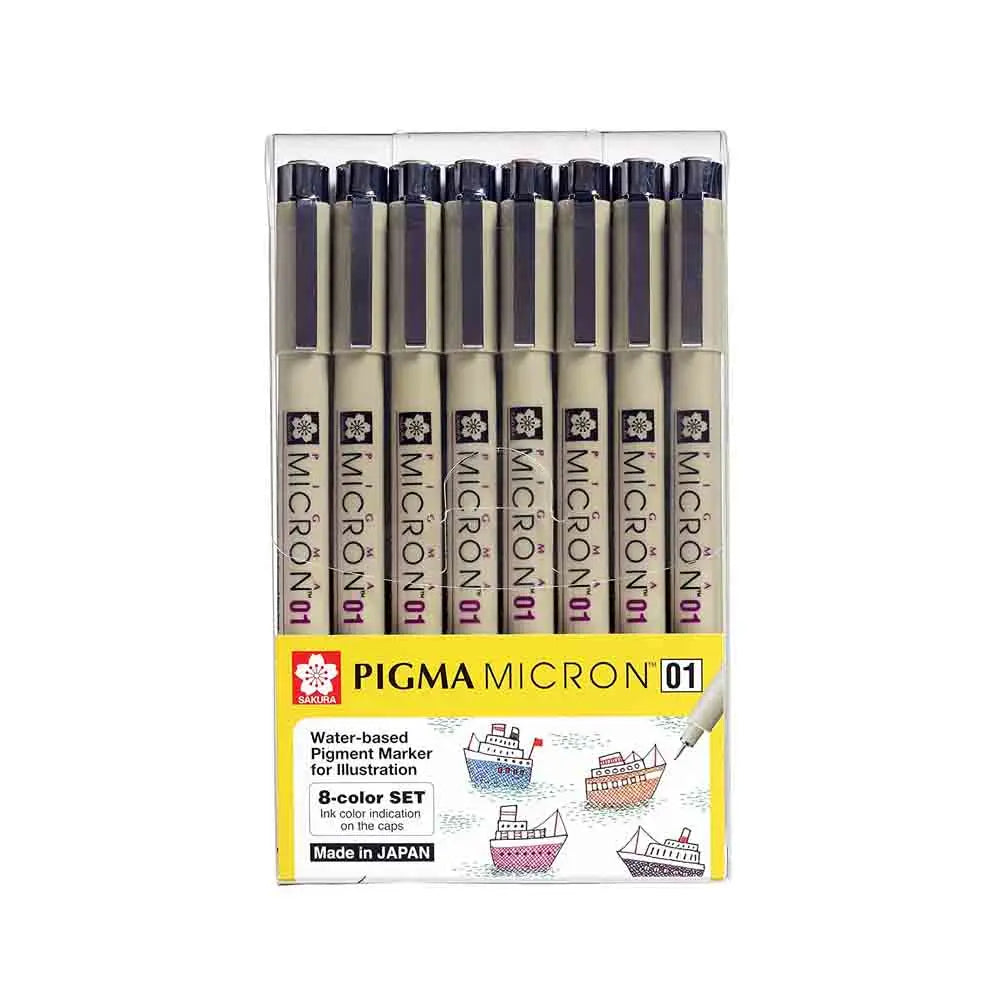
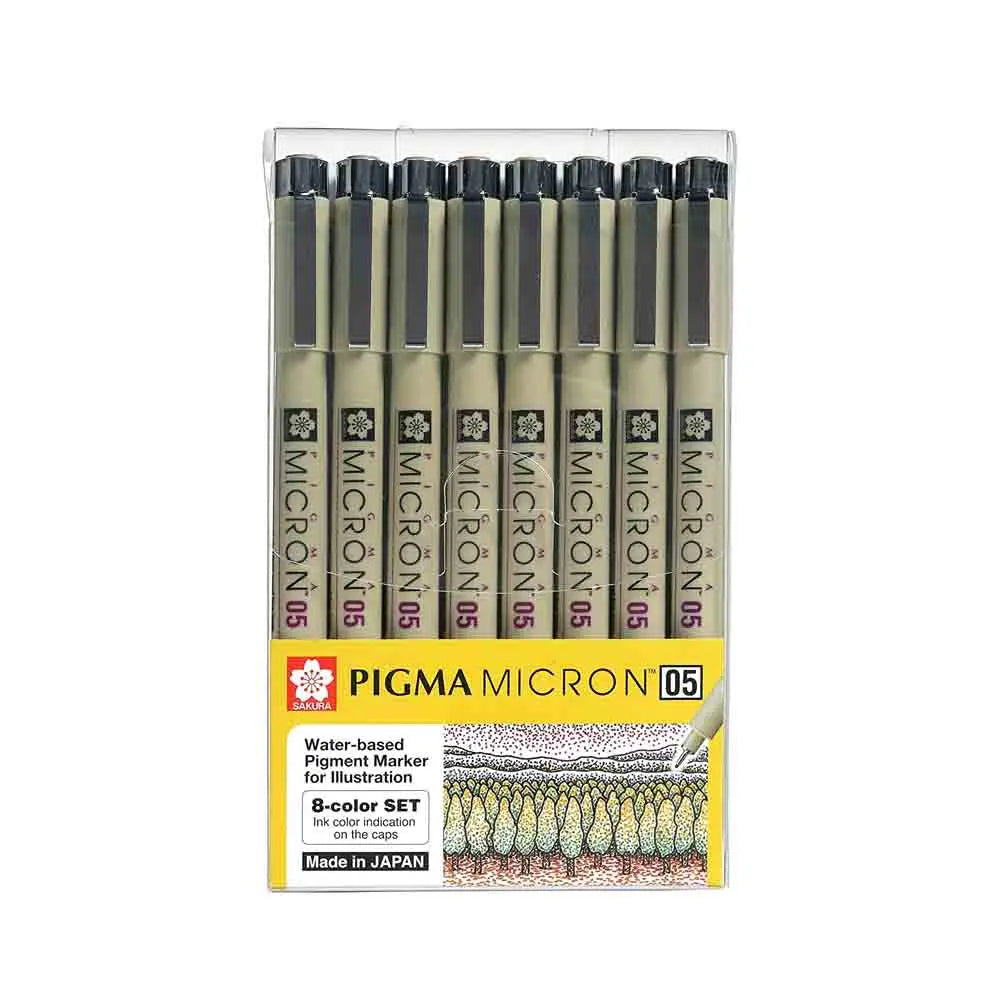
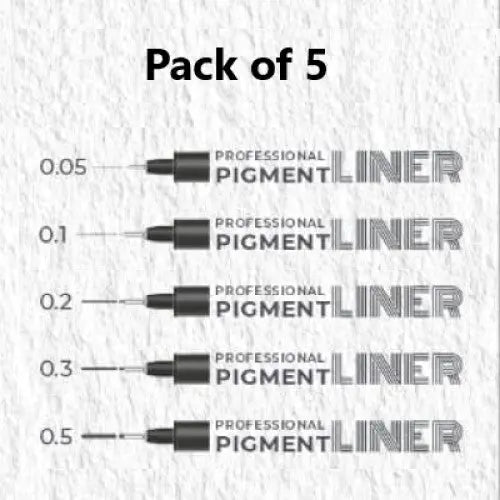
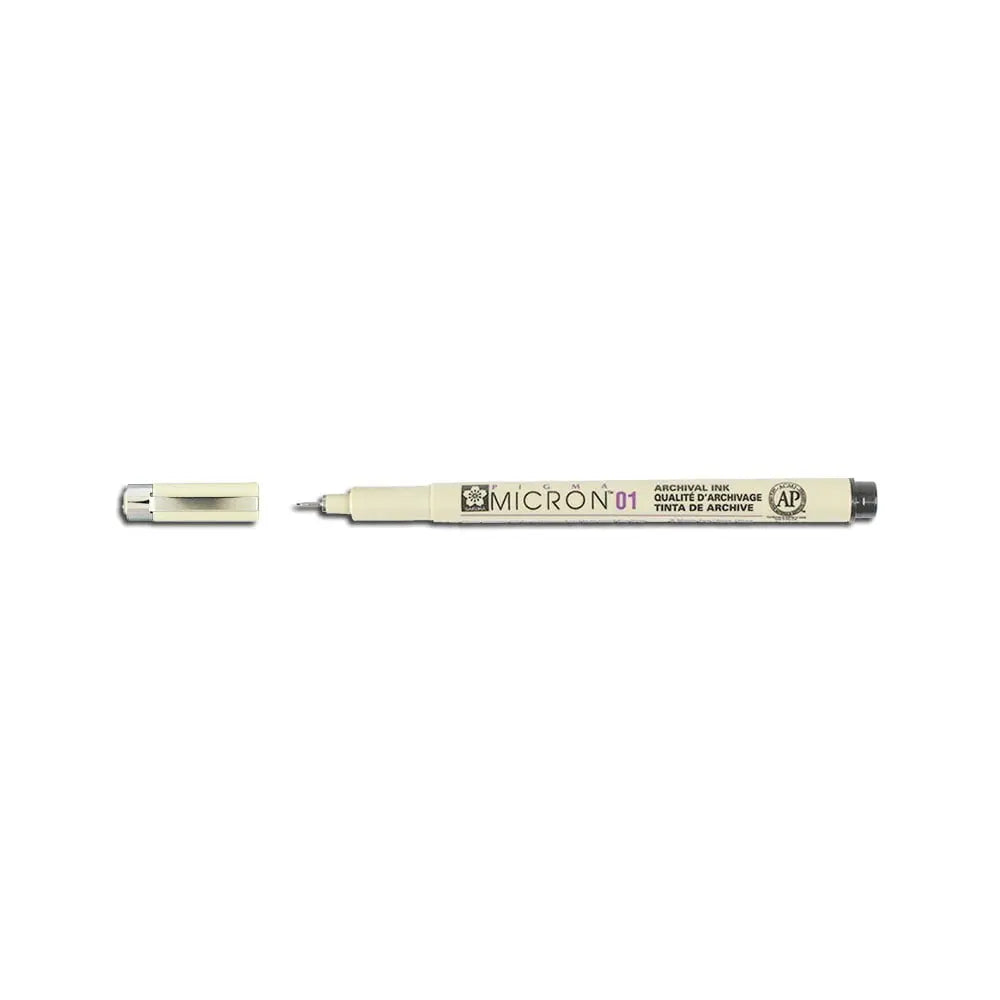
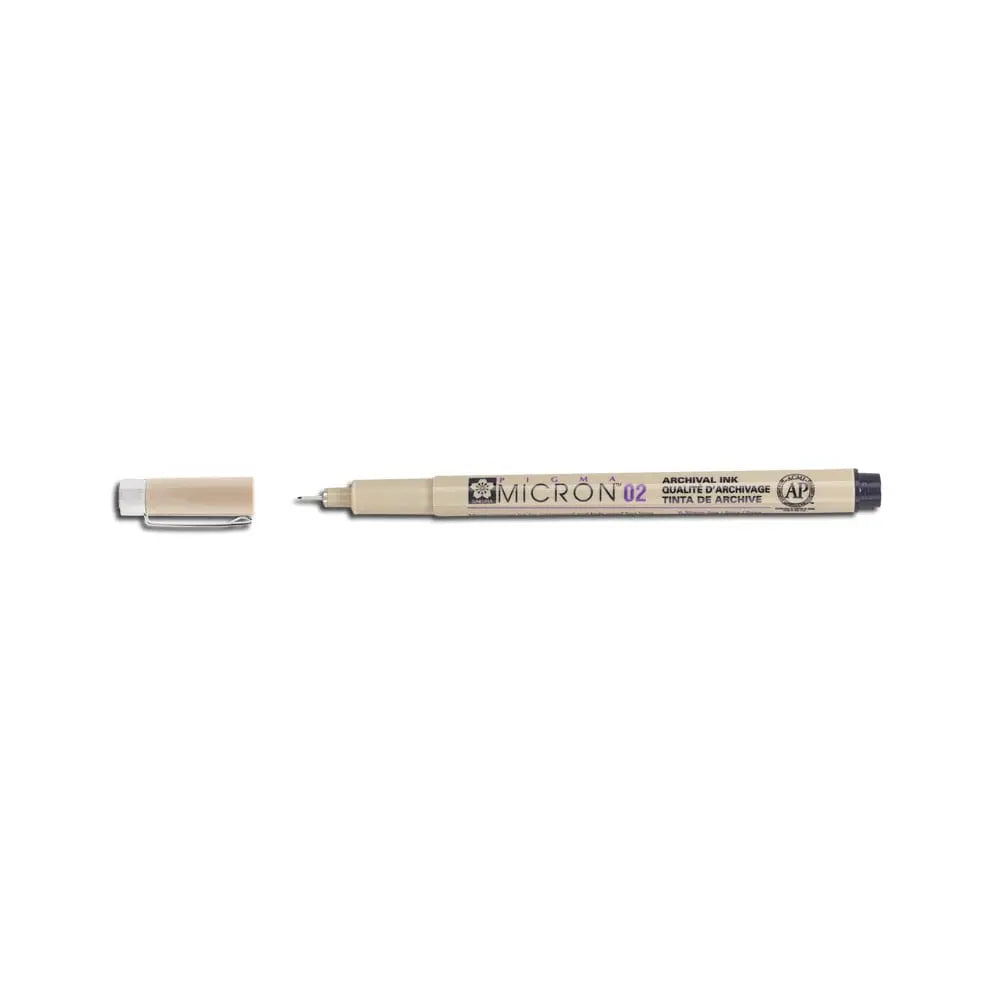
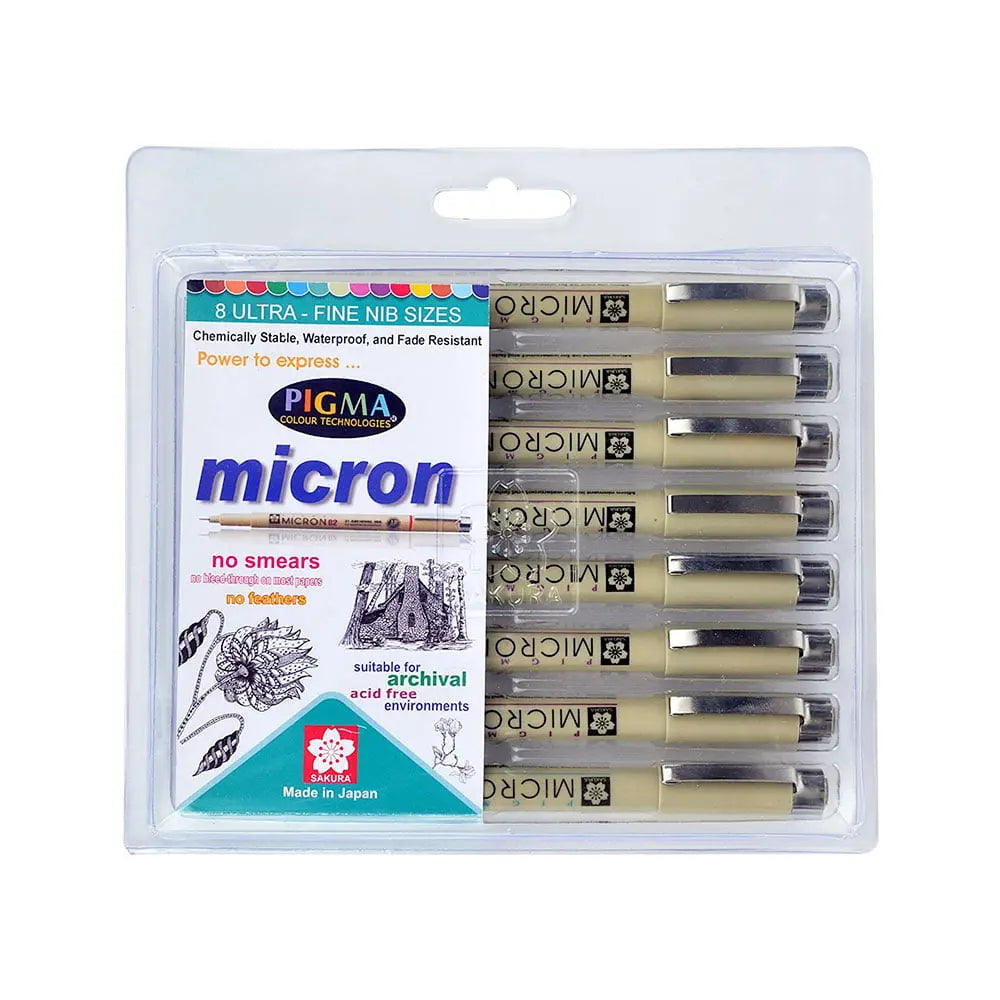
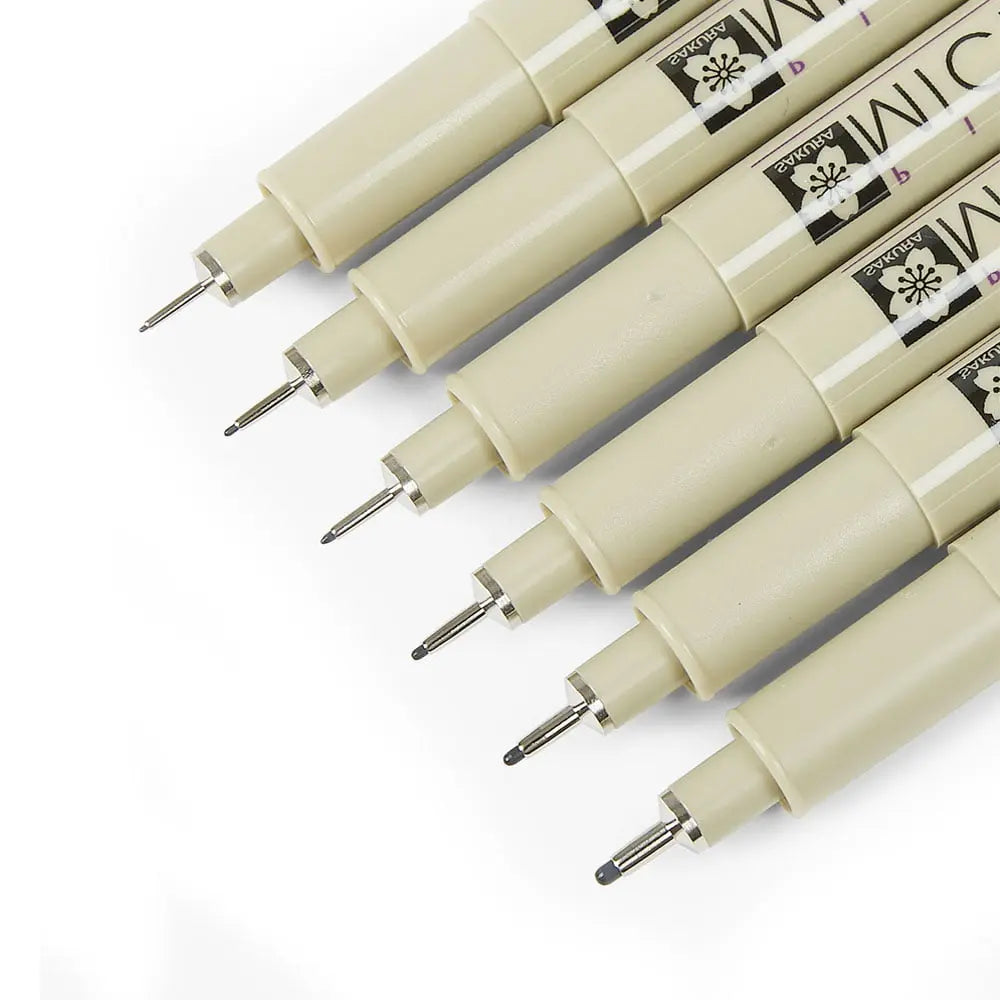
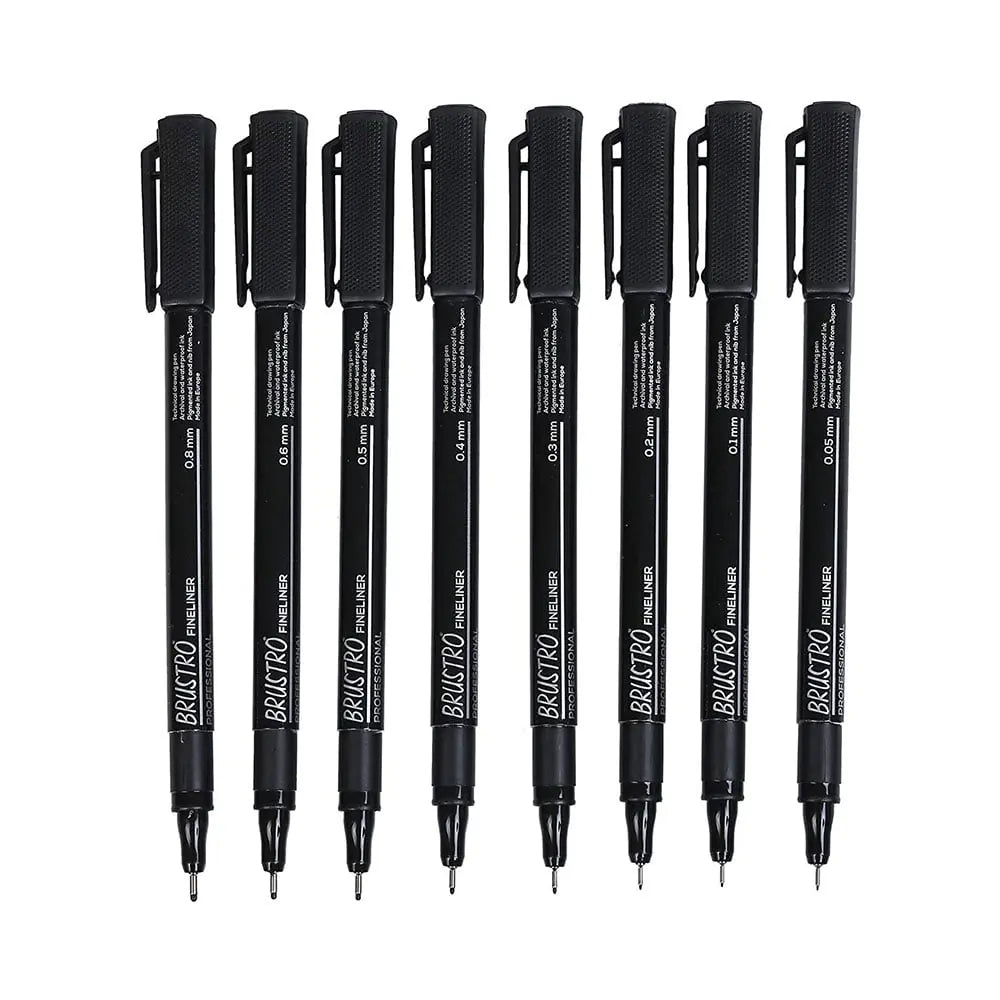
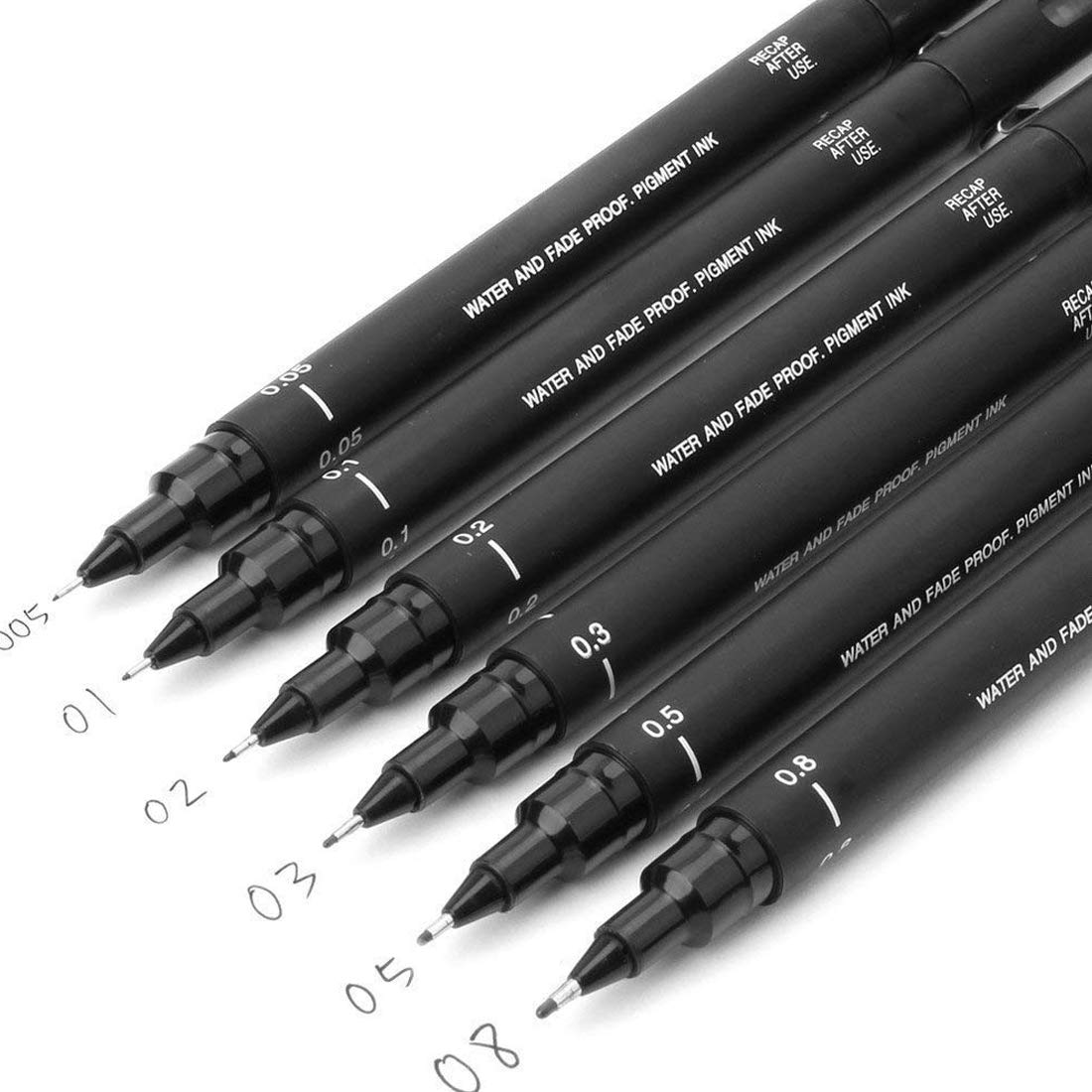
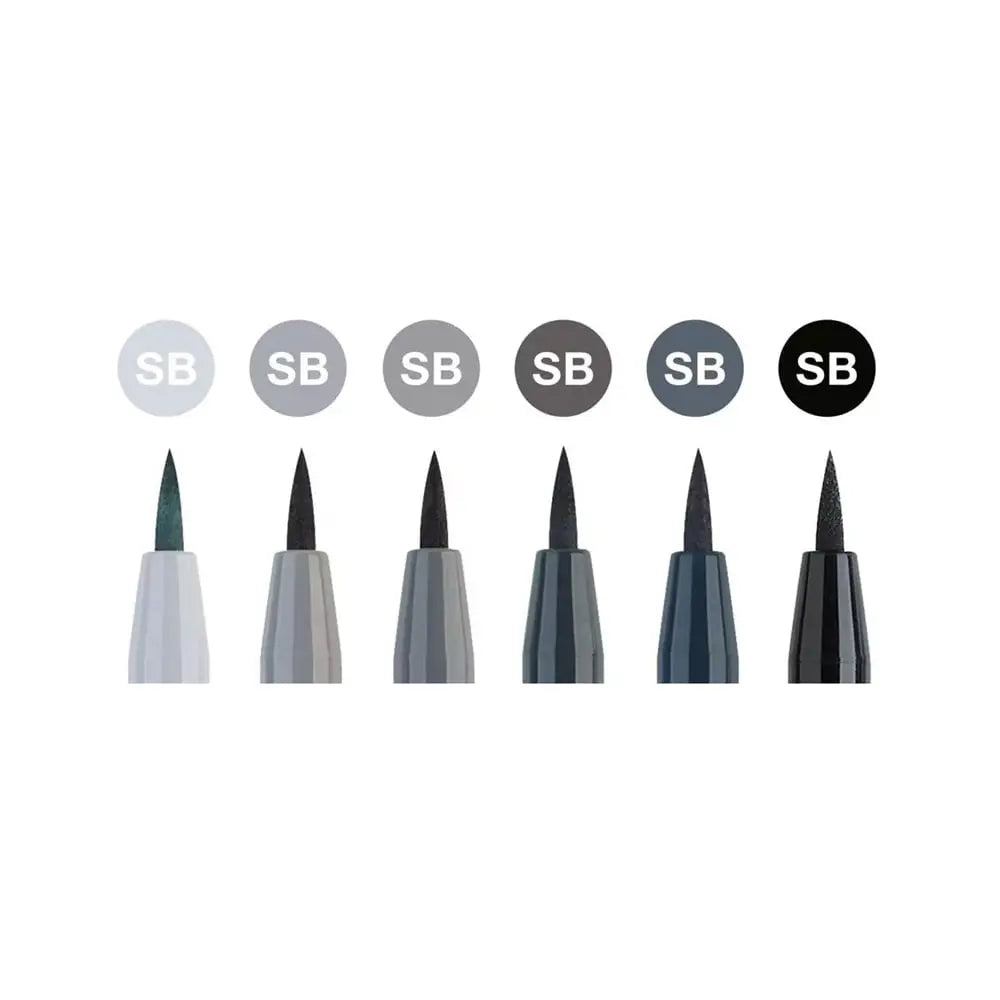
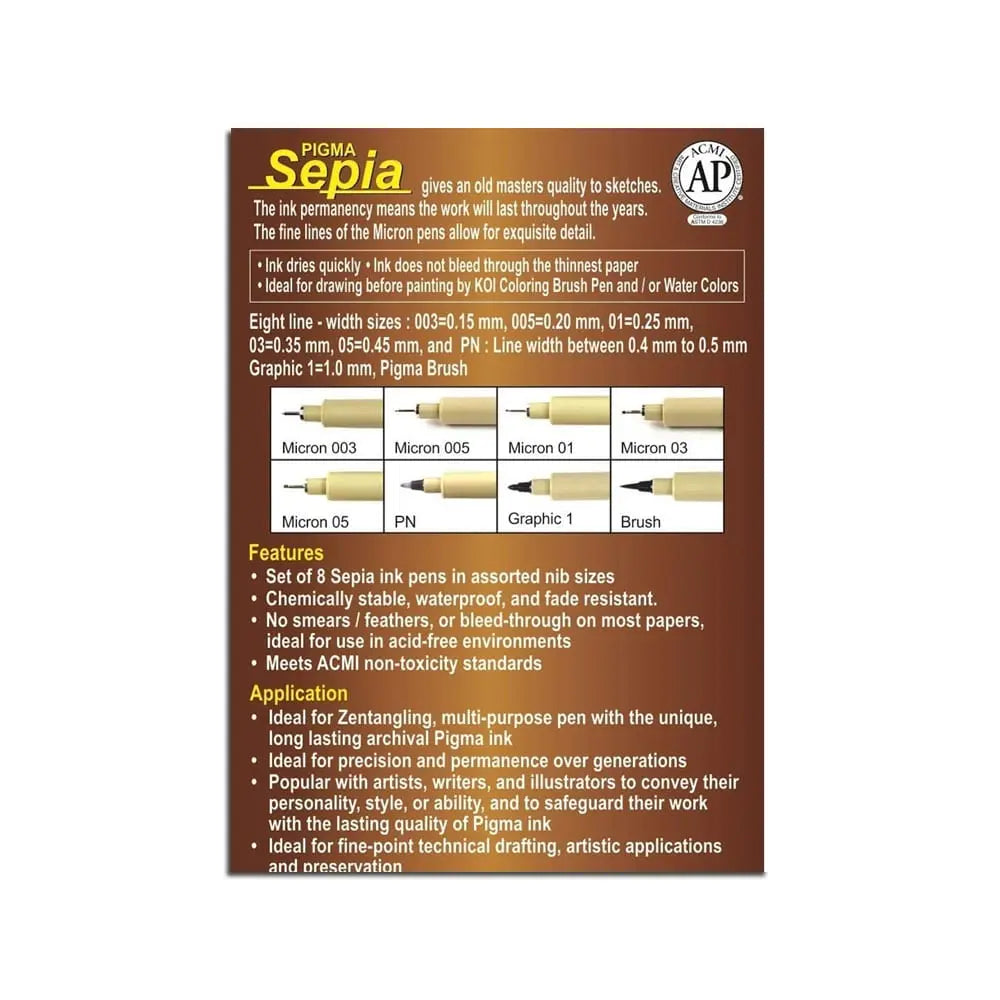
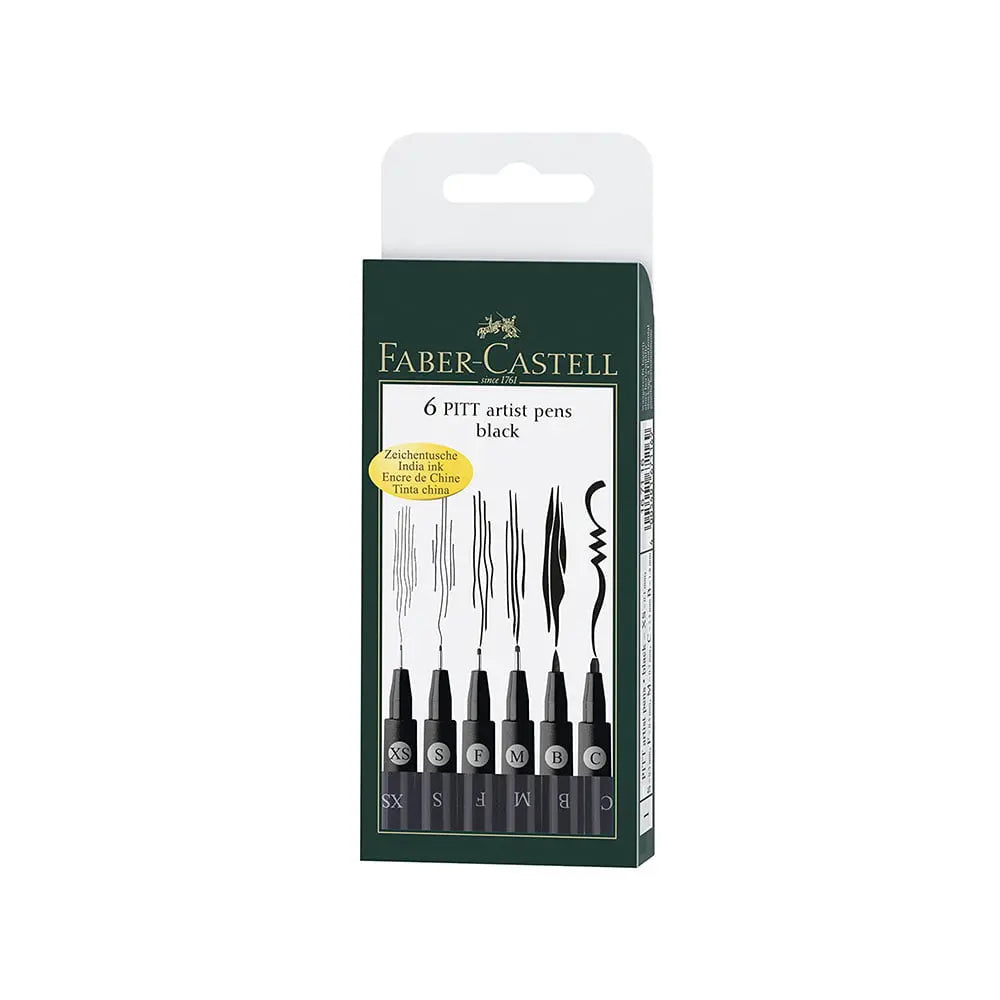
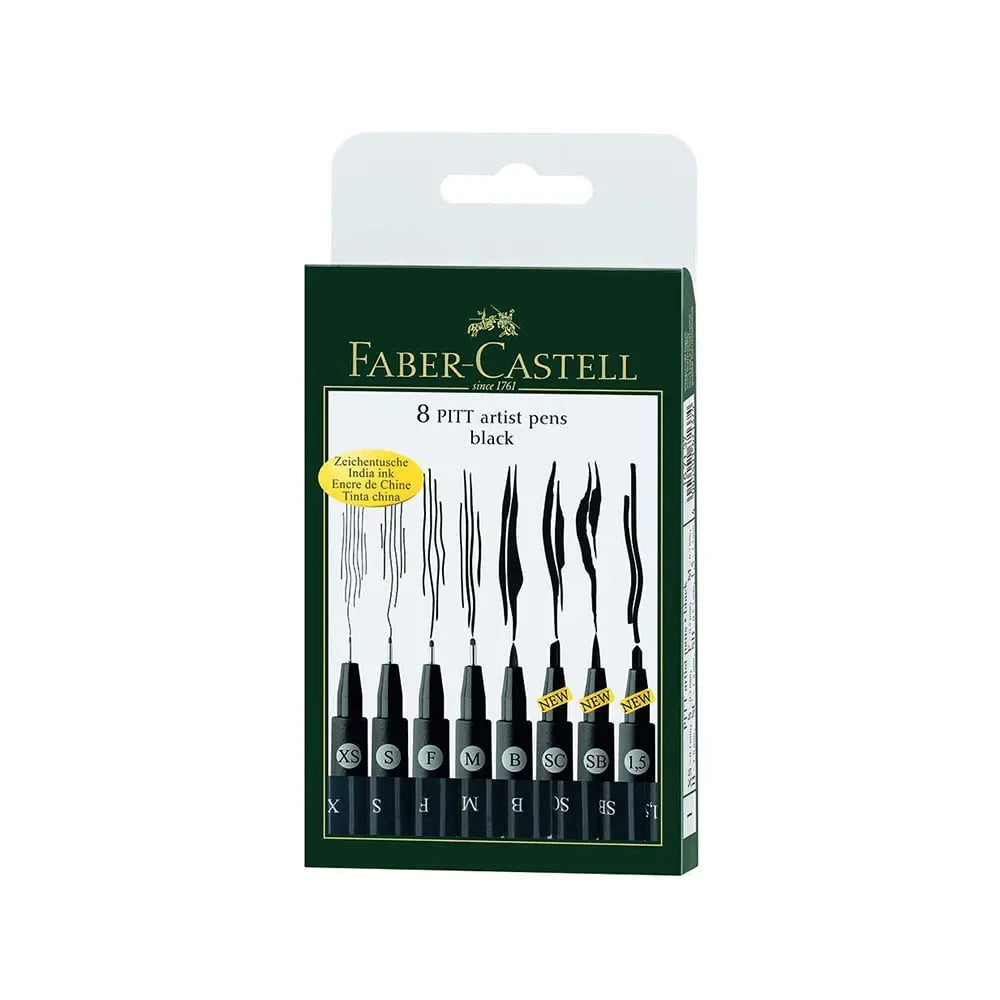
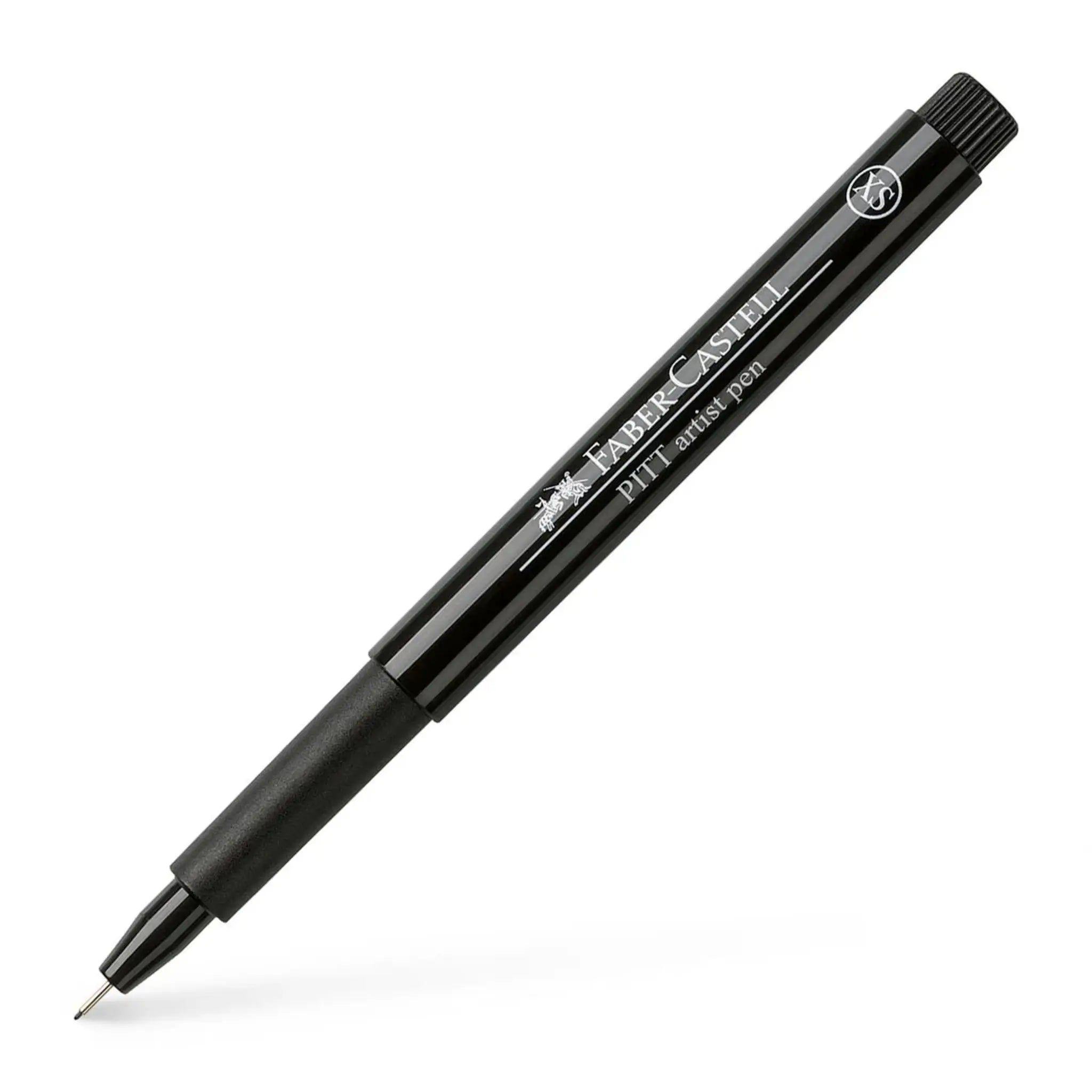
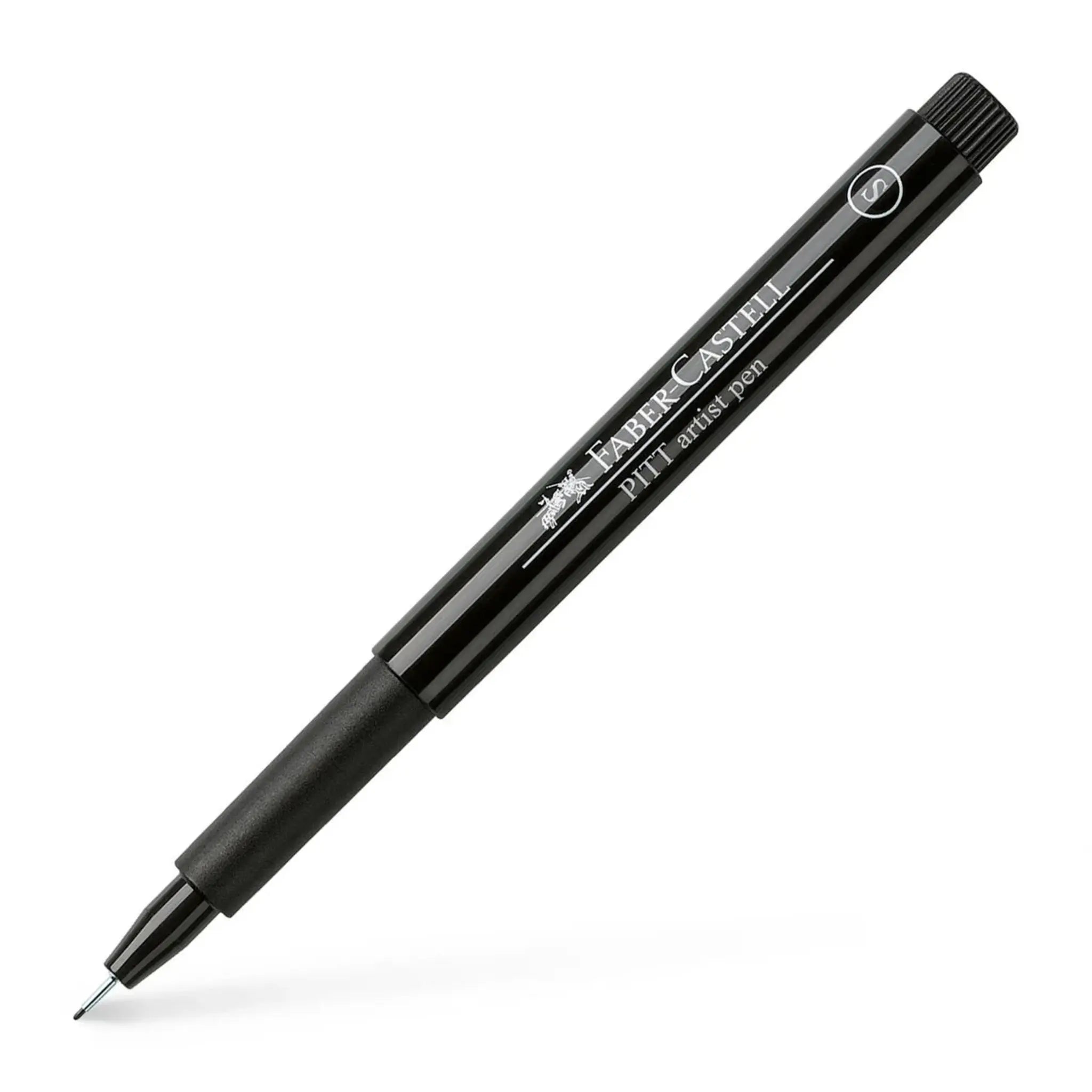
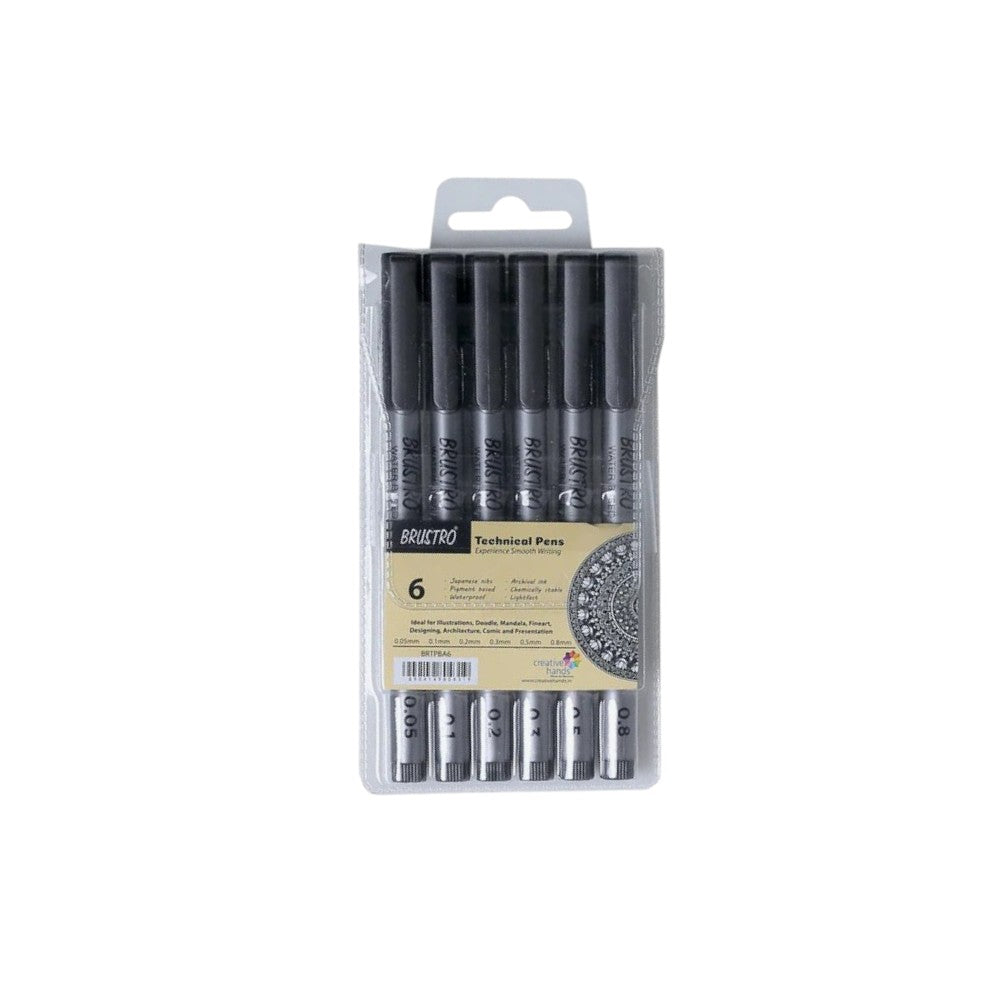
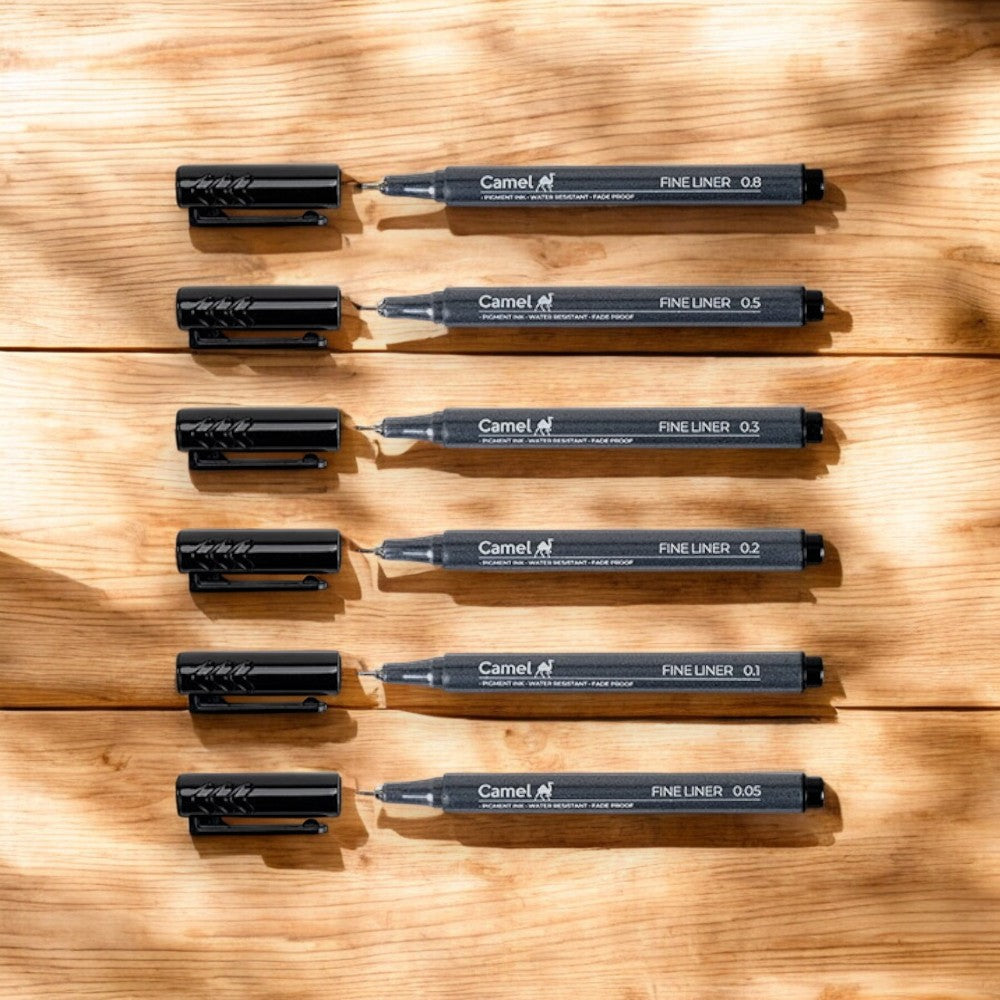
All the hands of artists differ from one another. For instance, there are artist's who favor ultra-fine tips for delicate detailed work, whereas there are artists' who prefer thicker defined lines because they feel more expressive. By trying multiple tips, you will begin to feel what works best with your own hand for an art medium.
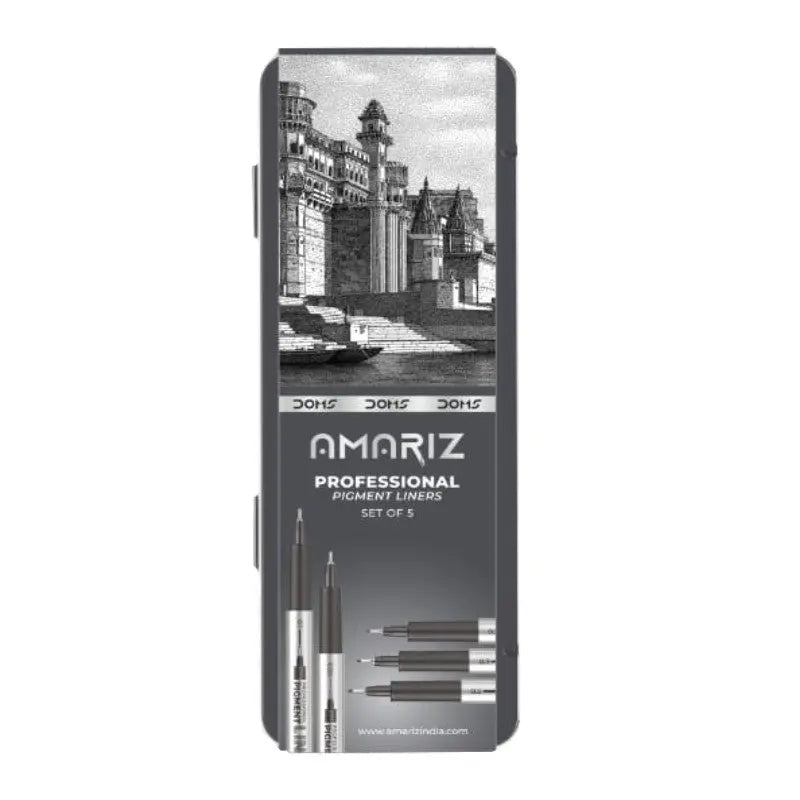
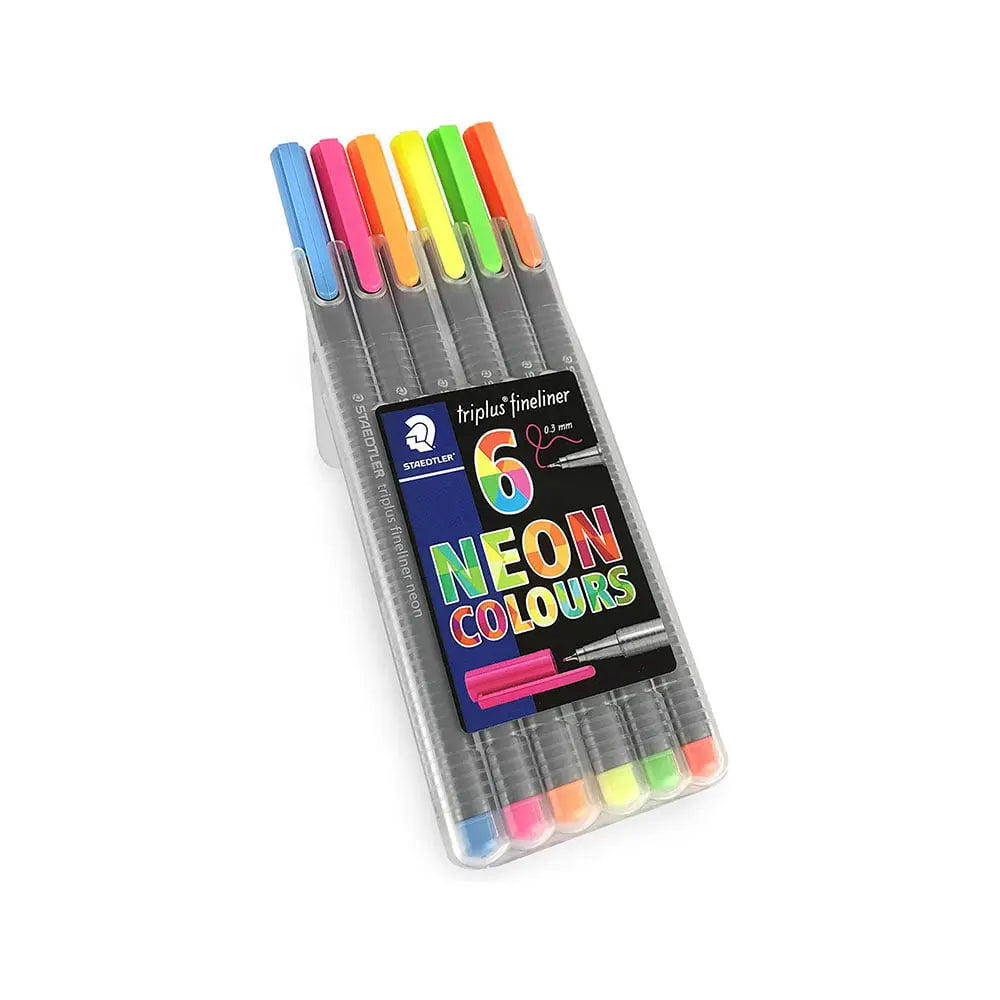
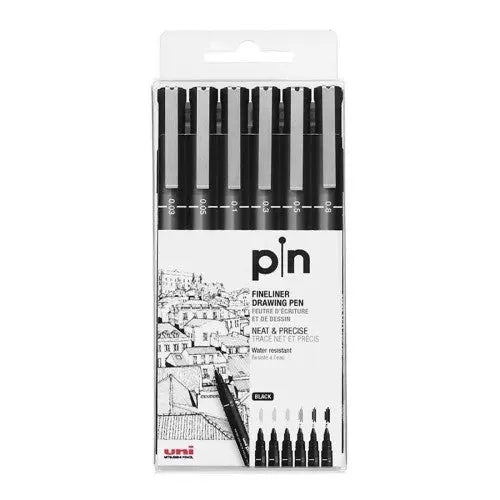
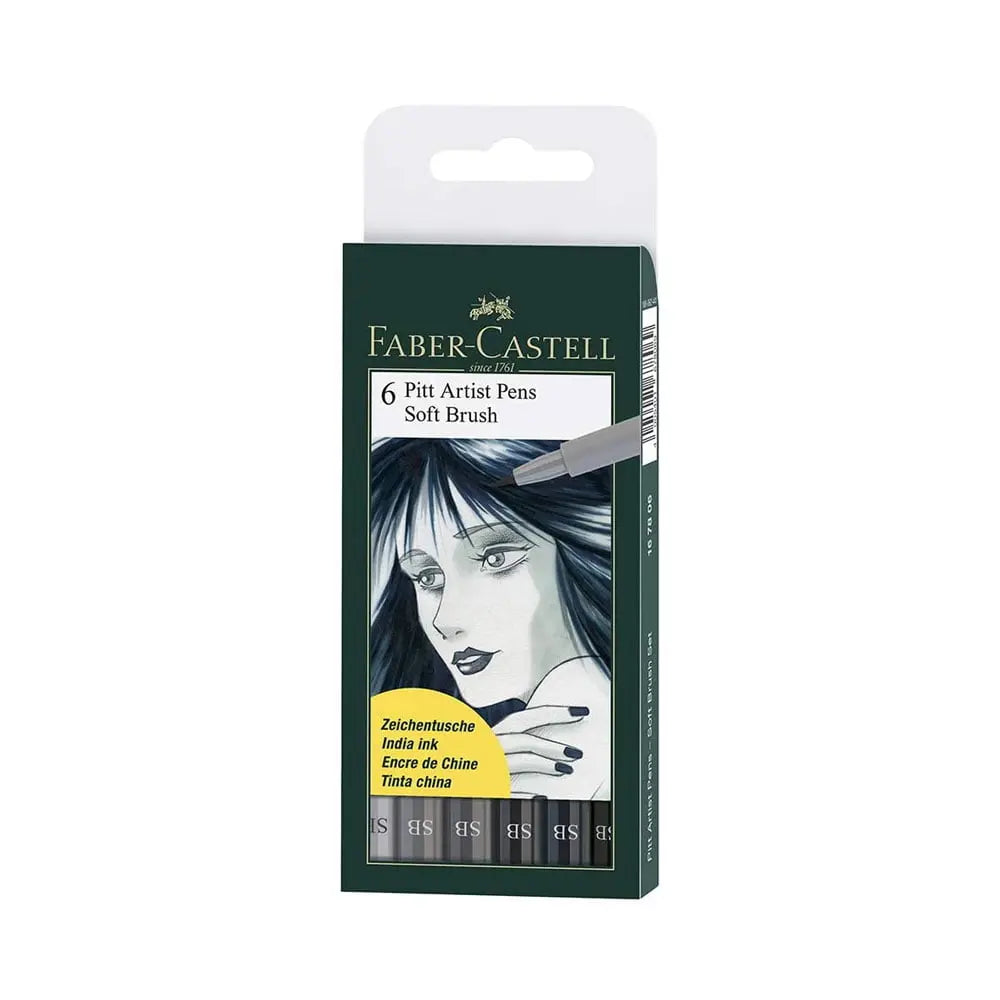
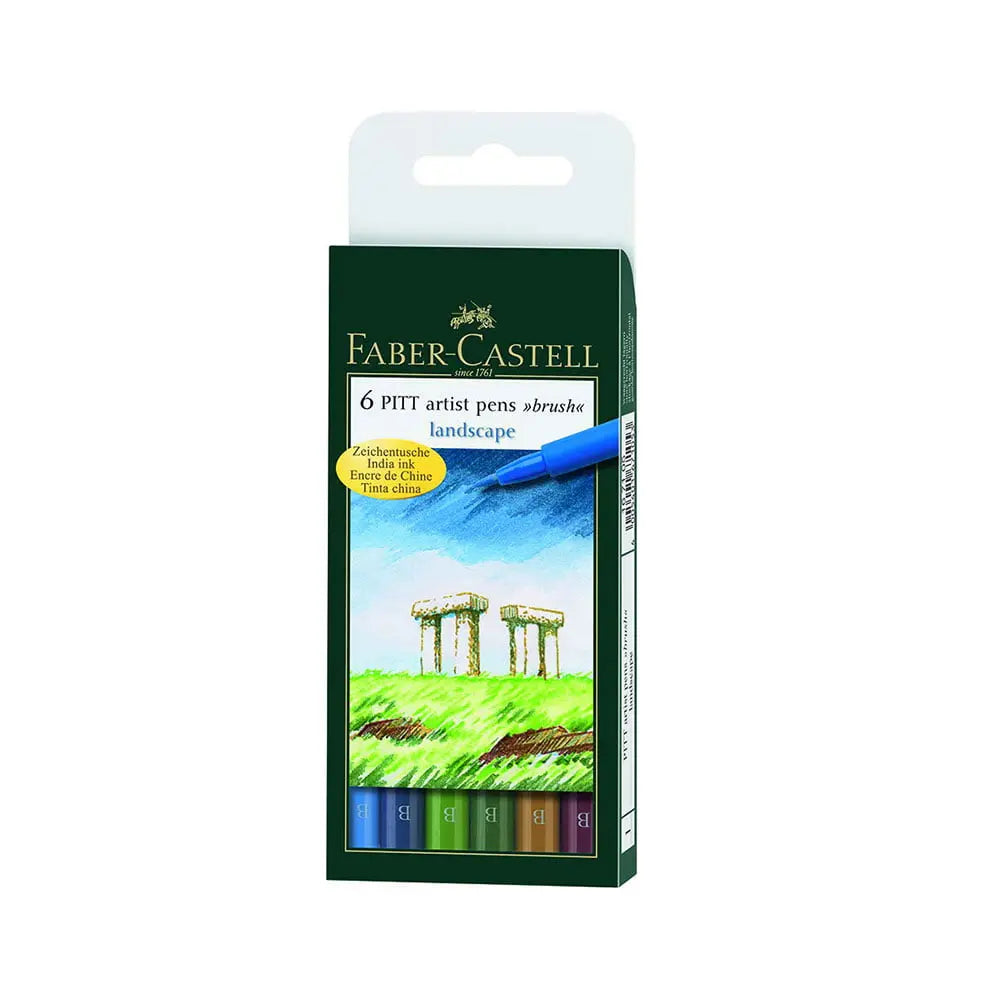
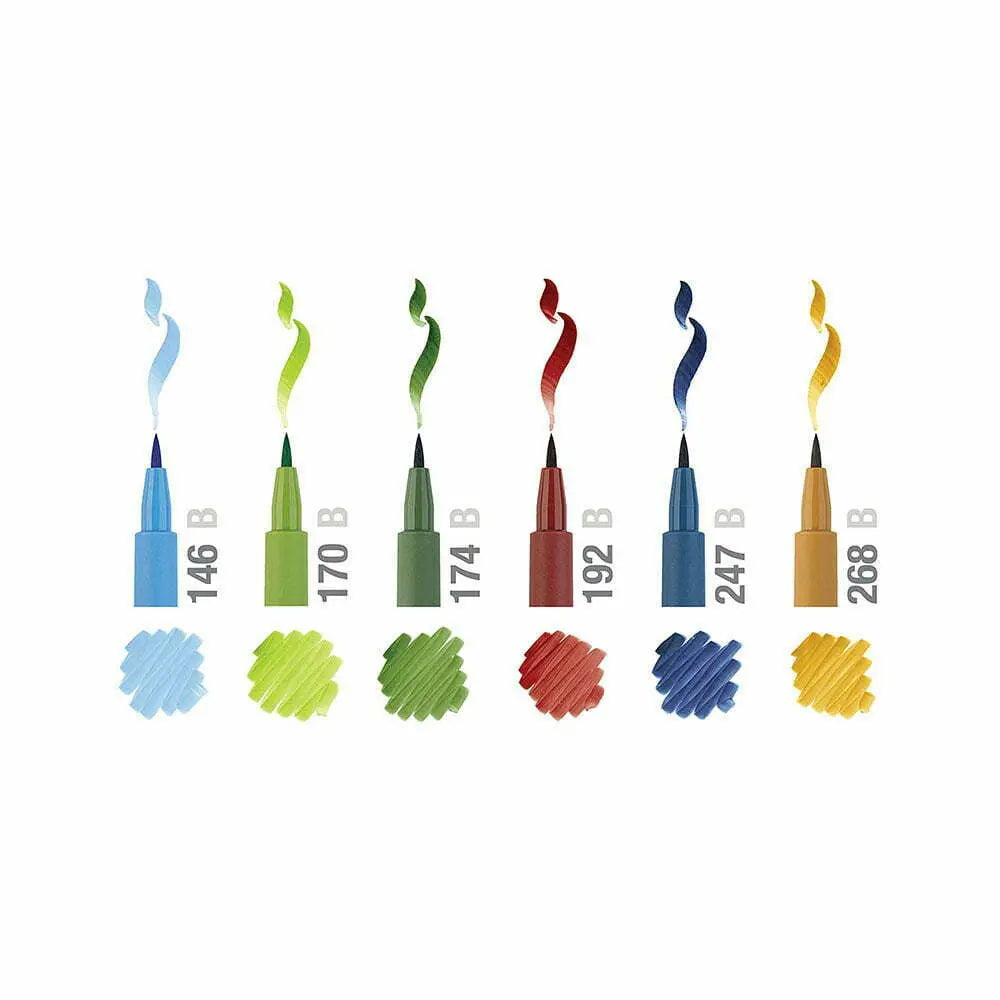
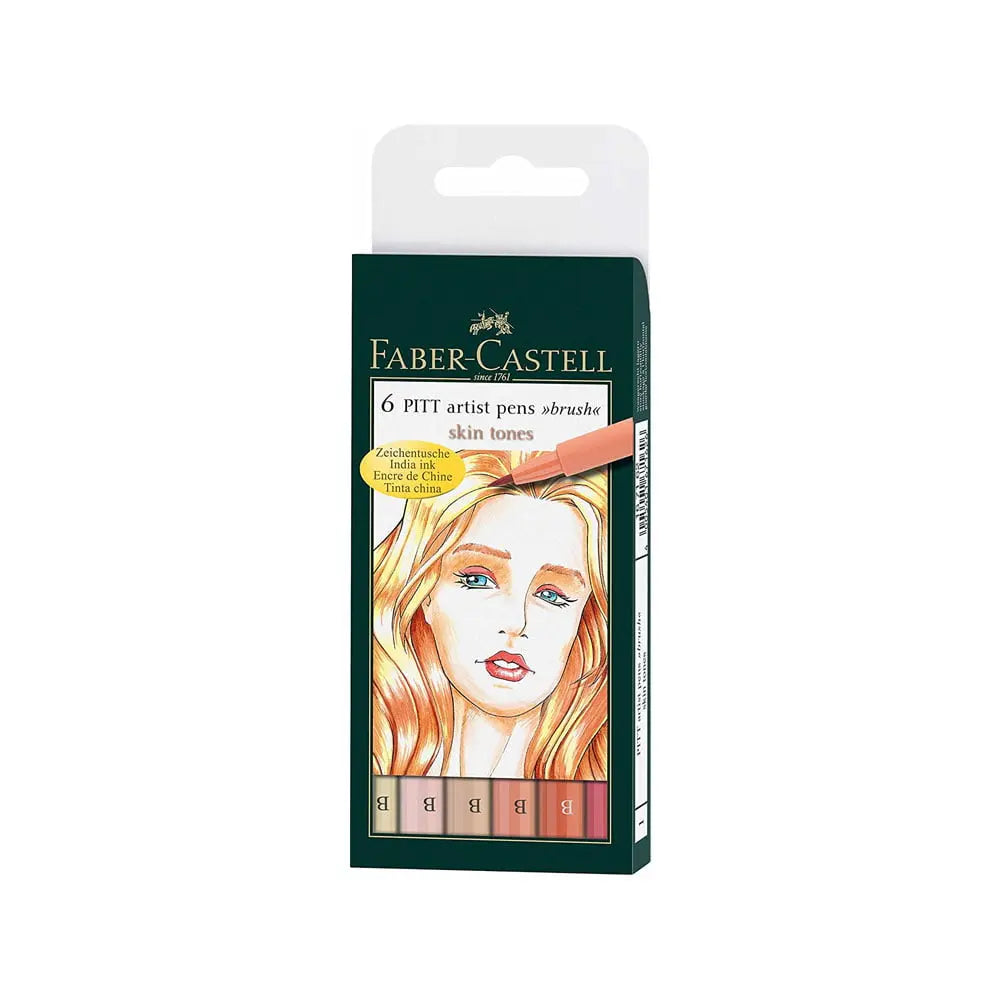
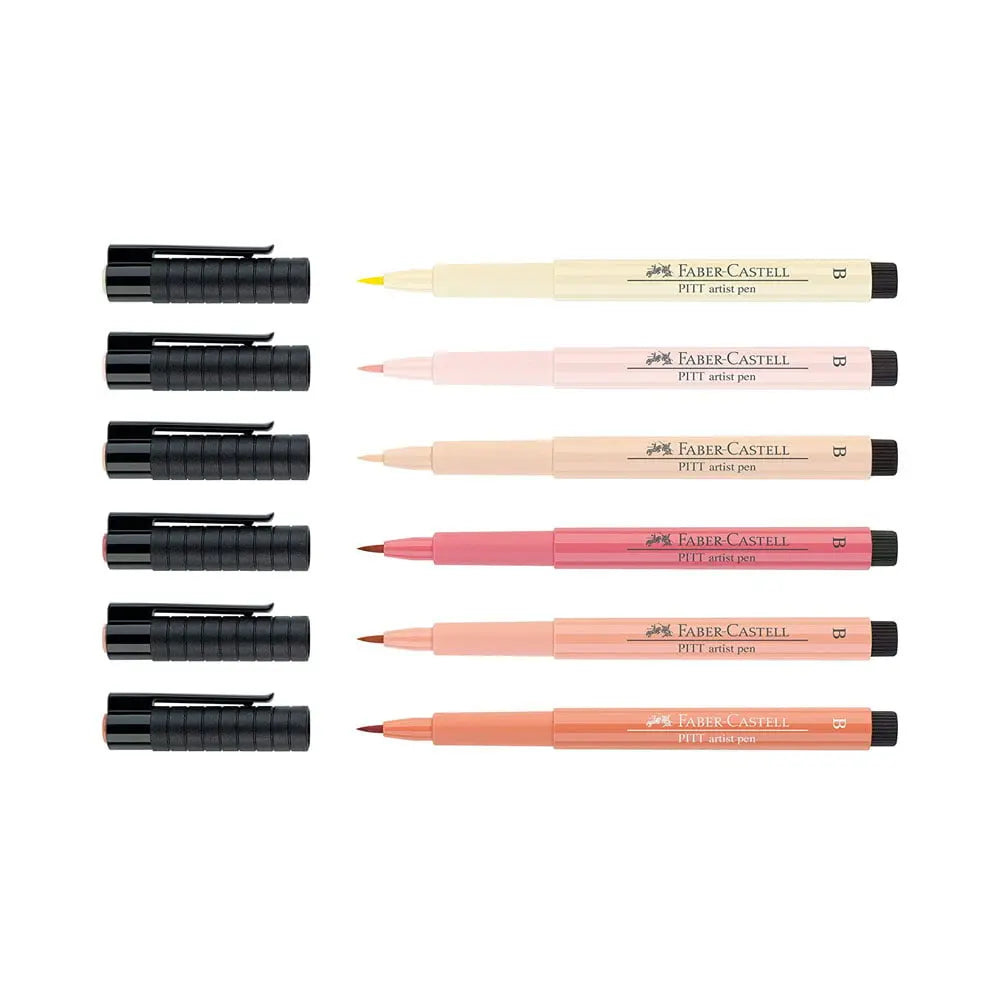
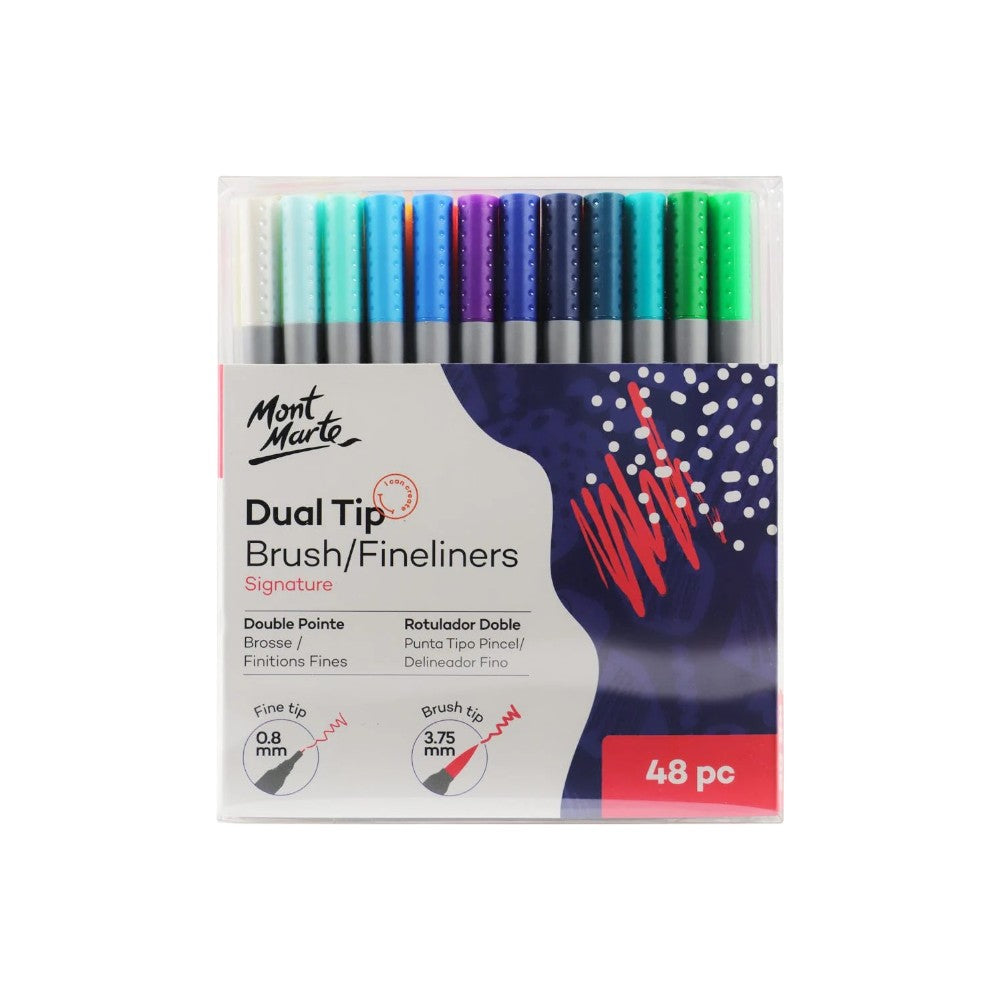
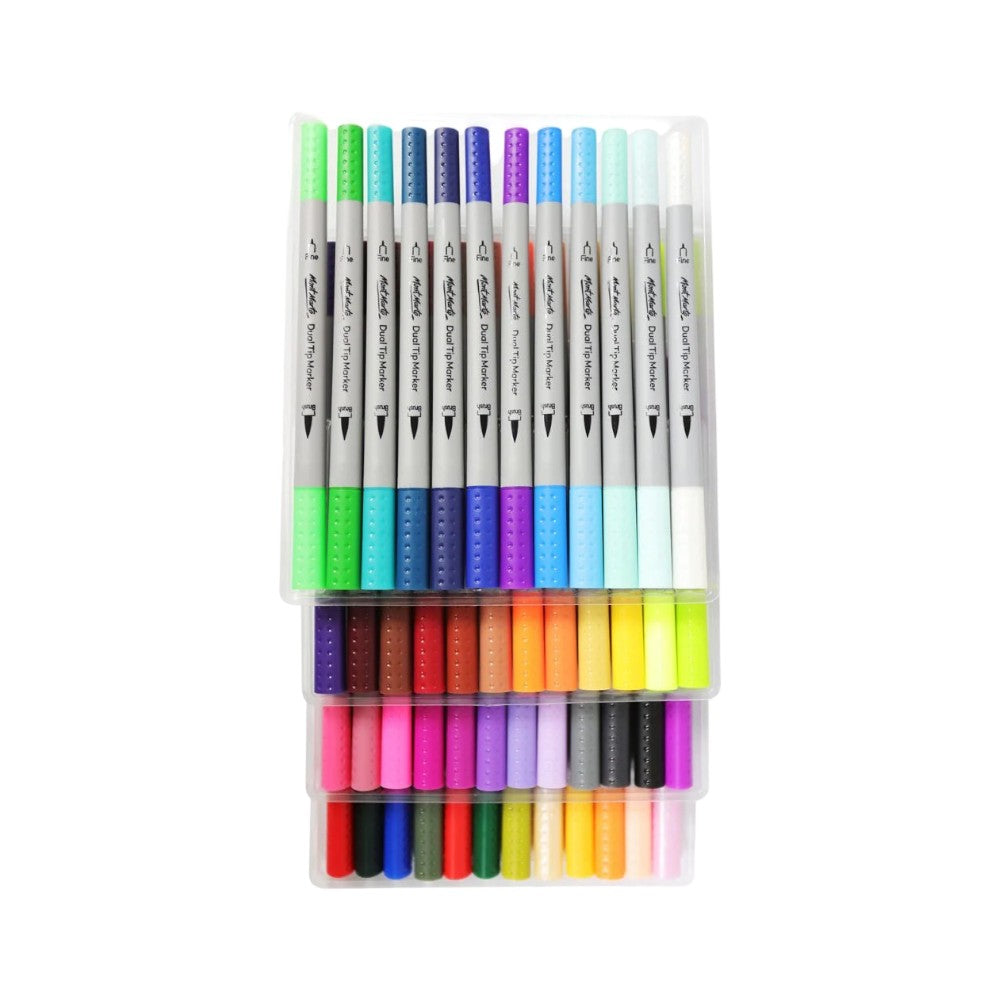
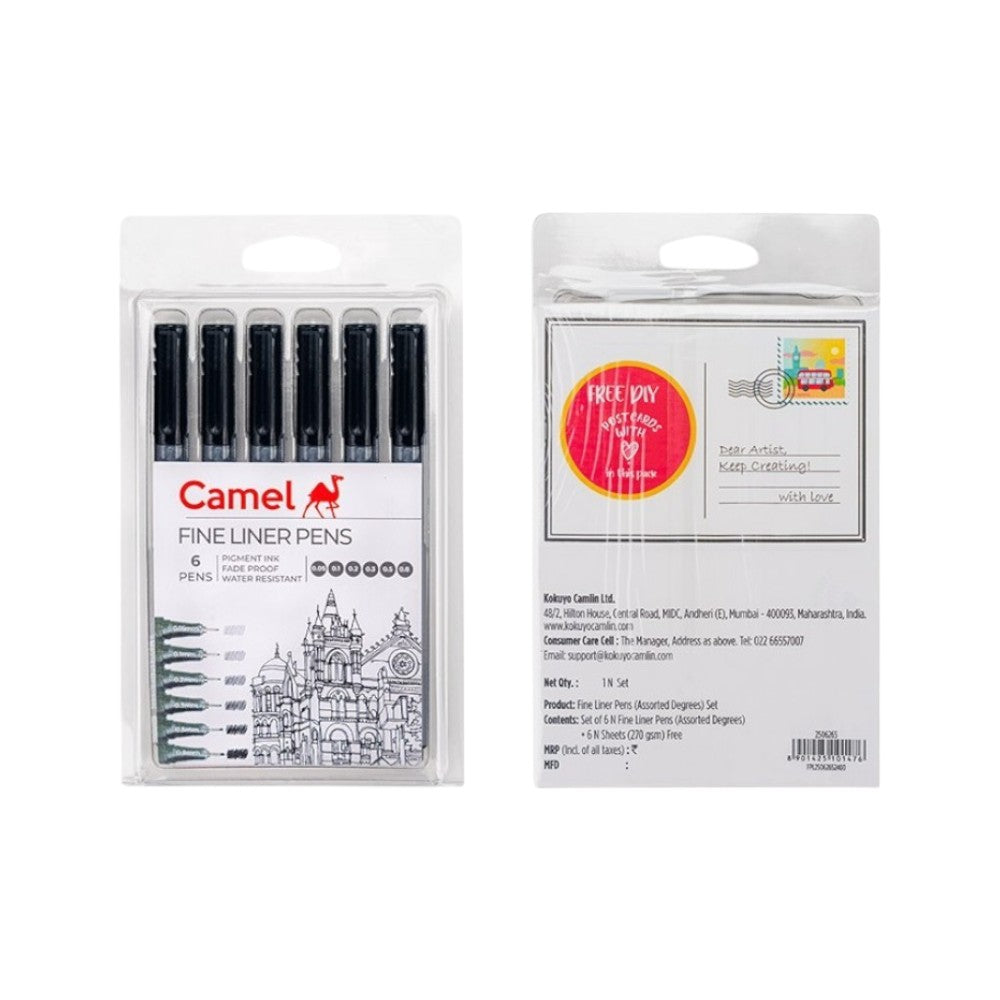
Having access to a range of fineliner pens makes experimentation easier. Artists in India often explore their options through Canvazo India, where multiple brands and pen styles are available in one place. This makes it easier to compare, test, and settle on tools that genuinely match your drawing style.
A Tool That Grows With Experience
What makes fineliner pens special is that they don’t become obsolete as you improve. Beginners appreciate how easy they are to control. Experienced artists appreciate how little they interfere with decision-making.
As your confidence grows, the same fineliner pen you once used for basic outlines may start appearing in layered textures, experimental illustrations, or detailed pattern work. That kind of longevity is rare in creative tools.
Final Thoughts
Fineliner pens don’t demand attention. They don’t promise dramatic effects or instant results. What they offer instead is trust — the feeling that the line you imagine will be the line that appears.
For sketching, illustration, and detailed pattern work, that trust goes a long way. And once you experience it, it’s hard to go back.
FAQs
Are fineliner pens suitable for daily sketching?
Definitely! The fact that these pens have continuous flow and a comfortable grip makes them a good choice when using them daily.
Do fineliner pens work well for mandala art?
They have been the most commonly used tool for mandala creation due to their exactness as well as providing straight lines.
Why do artists prefer black fineliner pens for detailed art?
Black ink offers strong contrast and clarity, which helps intricate designs stand out.
Can fineliner pens be combined with watercolour?
Most fineliner inks dry quickly and work well with light watercolour washes layered on top.
Where can artists in India explore fineliner pens?
Artists can find a wide range of fineliner options through Canvazo India, along with other creative tools.